Action · Crime · Thriller

Point Break

Kathryn Bigelow, 1991

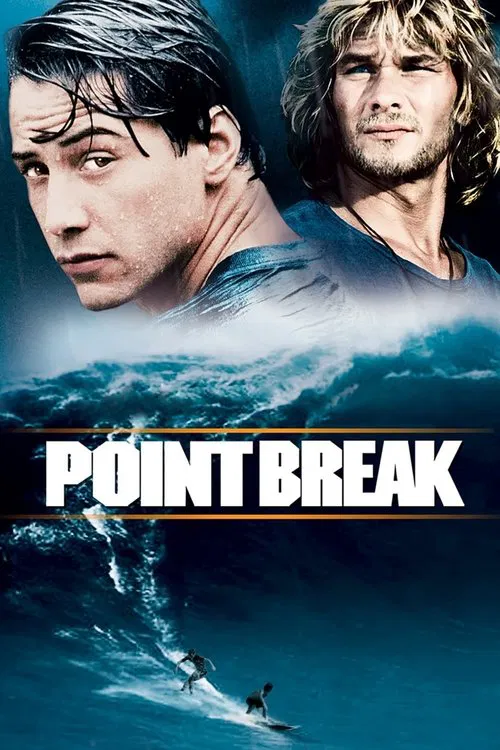
Rookie FBI agent Johnny Utah goes undercover among Southern California surfers to catch a gang of bank robbers who wear former presidents' masks. He bonds with their charismatic leader, Bodhi, and starts to wonder whose side he is on. Watch how Bigelow makes the surfing and skydiving feel real.

Point Break (1991) poster

At a glance

Point Break is a 1991 action, crime and thriller film directed by Kathryn Bigelow. This breakdown covers 4 techniques (1 psychology, 2 narrative and 1 cinematography), each with the scene where you can see it. If you like how it is made, Frankenstein uses several of the same techniques.

Psychology

Psychological Doubling

Pairing the main character with a second character who mirrors them. The double shows what the hero wants, fears or secretly is.

How this film uses it

Utah and Bodhi mirror each other. Both are drawn to adrenaline and chasing a rush. Bodhi is what Utah could become if he stopped following the rules, and the film keeps them in the same frame as equals.

Where to see it

The foot chase: Bodhi leads Utah through the neighborhood in a Reagan mask, and Utah has a clear shot but lets him escape.

Narrative

The Mentor-Monster Dynamic

Making the character who threatens the hero most also the one who helps them most. You can't separate the danger from the guidance.

How this film uses it

Bodhi welcomes Utah into the surfers' world and teaches him a philosophy of living on the edge. He is also the man robbing banks and the one who threatens Utah's life. You cannot separate the danger from the guidance.

Where to see it

The skydiving trip: Bodhi pushes Utah to jump with the group, then reveals he knows Utah is an FBI agent and has taken Tyler hostage.

Cinematography

Practical In-Camera Effects

Creating effects physically on set with makeup, prosthetics, built props and camera tricks, with no computer graphics added later. The results look solid and real.

How this film uses it

The stunts were done for real. Patrick Swayze did his own skydiving, and he refused to use a stunt double for many of the surfing scenes. Reeves, Swayze and Lori Petty trained with a pro surfer on Kauai. The result is action that looks physical.

Where to see it

The skydiving scenes: Swayze performs the freefall himself and the film's aerial jump instructor found he was a natural.

Narrative

Infiltration and Suspicion

Driving the plot with a hidden infiltrator or a suspected partner, so characters must test loyalty while trust and identity are constantly in doubt.

How this film uses it

Utah fabricates a family tragedy to get Tyler to teach him to surf. As he masters surfing, he is drawn to the surfers' lifestyle, to Bodhi's philosophy and to Tyler. By the end, arresting Bodhi costs him something.

Where to see it

The Bells Beach ending: Utah finds Bodhi in Australia during a record storm, and when Bodhi begs to ride the once-in-a-lifetime wave, Utah lets him go knowing he will not come back.

Questions

Point Break: quick answers

What filmmaking techniques does Point Break use?
CineCode breaks down 4 techniques in Point Break (1991): Psychological Doubling, The Mentor-Monster Dynamic, Practical In-Camera Effects and Infiltration and Suspicion.
Who directed Point Break?
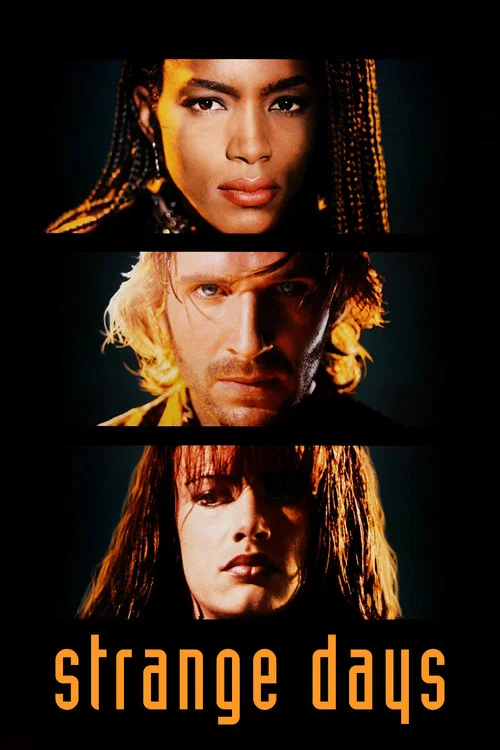
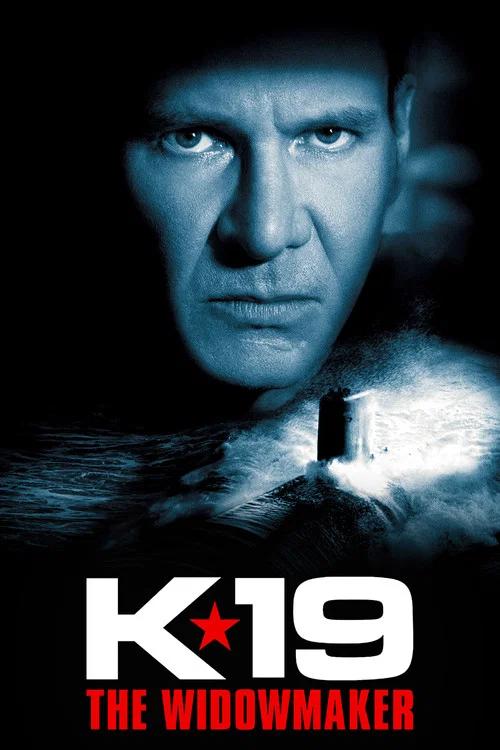
Kathryn Bigelow directed Point Break, released in 1991. CineCode also covers Near Dark (1987), Blue Steel (1990), Strange Days (1995), K-19: The Widowmaker (2002), The Hurt Locker (2008), Zero Dark Thirty (2012).
What films are similar to Point Break?
Films that share techniques with Point Break include Frankenstein (2025), Batman Begins (2005), Lost Highway (1997), Fear and Desire (1953).