Science Fiction · Thriller · Action

War of the Worlds

Steven Spielberg, 2005

A New Jersey dockworker tries to get his two children to safety when huge alien tripods rise from the ground and start destroying everything. The story stays close to one ordinary family on the run. For filmmakers, watch how Spielberg makes an invasion feel like a personal nightmare.

War of the Worlds (2005) poster

At a glance

War of the Worlds is a 2005 science fiction, thriller and action film directed by Steven Spielberg. This breakdown covers 4 techniques (1 narrative, 2 cinematography and 1 sound), each with the scene where you can see it. If you like how it is made, The Zone of Interest uses several of the same techniques.

Narrative

Single POV Restriction

Limiting the film to what one character can see and know. The camera never goes where they couldn't be, so you share their blind spots and their vulnerability.

How this film uses it

We almost never leave Ray's side, so the invasion arrives piece by piece through his eyes. There are no scenes of generals or scientists explaining the plan. You are as lost as he is.

Where to see it

The first tripod: A storm strikes, and Ray watches from the street as the ground splits and a machine rises out of it.

Cinematography

Tracking Shot Choreography

Moving the camera in 1 long, unbroken and carefully planned shot that follows the action through several spaces. You see how people fit into their world without a single cut.

How this film uses it

The camera circles Ray's minivan as he drives through panicking crowds. We see the chaos through the windows and hear people hitting the car. The unbroken take traps you inside the vehicle with him.

Where to see it

The minivan escape: Ray drives a repaired minivan, and the camera moves around it as a crowd tries to seize the car.

Sound

Diegetic Sound Design

Using sounds the characters themselves can hear, like footsteps, radios or traffic, to build tension or show how someone feels. The sound does more than make the scene realistic.

How this film uses it

The tripods announce themselves with a deep, brassy blare that every character can hear. The sound is the same one you remember when the machines appear later. It turns noise into a warning for the audience and the family.

Where to see it

The tripod's call: The sound of the machines rises over a ruined neighborhood, and Ray and the others freeze before running.

Cinematography

Off-Screen Atrocity

Keeping the worst violence outside the frame. You hear it or see its effects and other people's reactions, and your imagination does the rest.

How this film uses it

People are turned to dust by the alien weapon, and the film shows what is left. Clothes drift down like ash after a flash. The empty clothing tells you what happened without a single body.

Where to see it

The disintegration: After the first attack, clothes fall onto the street where the crowd was standing, and Ray is covered in dust.

Questions

War of the Worlds: quick answers

What filmmaking techniques does War of the Worlds use?
CineCode breaks down 4 techniques in War of the Worlds (2005): Single POV Restriction, Tracking Shot Choreography, Diegetic Sound Design and Off-Screen Atrocity.
Who directed War of the Worlds?
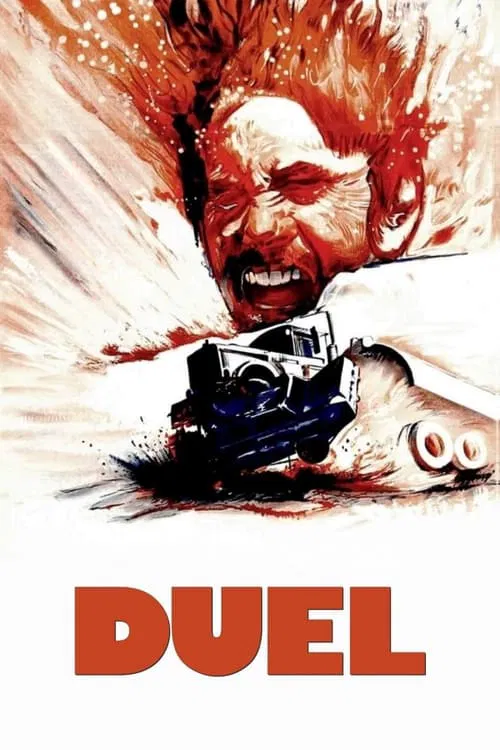
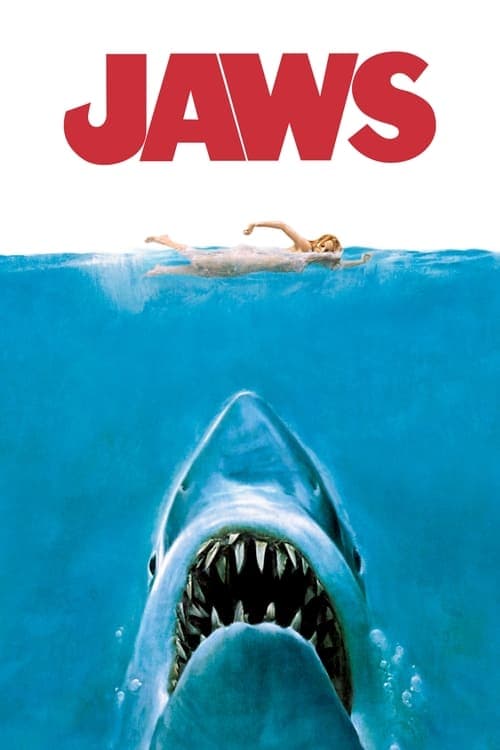
Steven Spielberg directed War of the Worlds, released in 2005. CineCode also covers Duel (1971), Jaws (1975), Close Encounters of the Third Kind (1977), 1941 (1979), Raiders of the Lost Ark (1981), E.T. the Extra-Terrestrial (1982).
What films are similar to War of the Worlds?
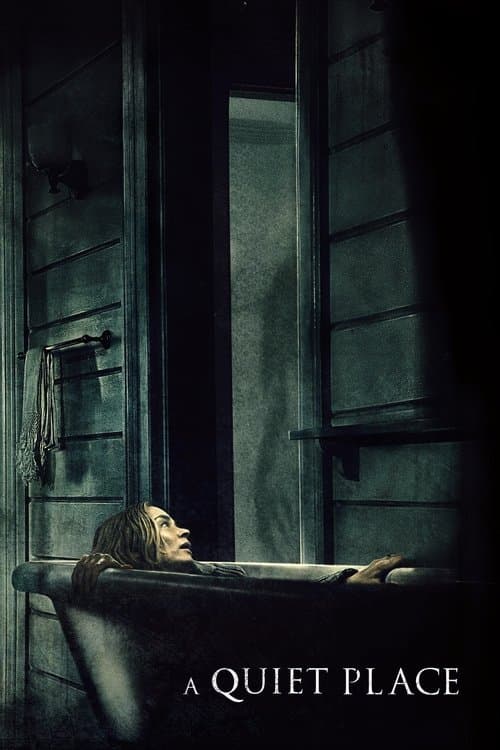
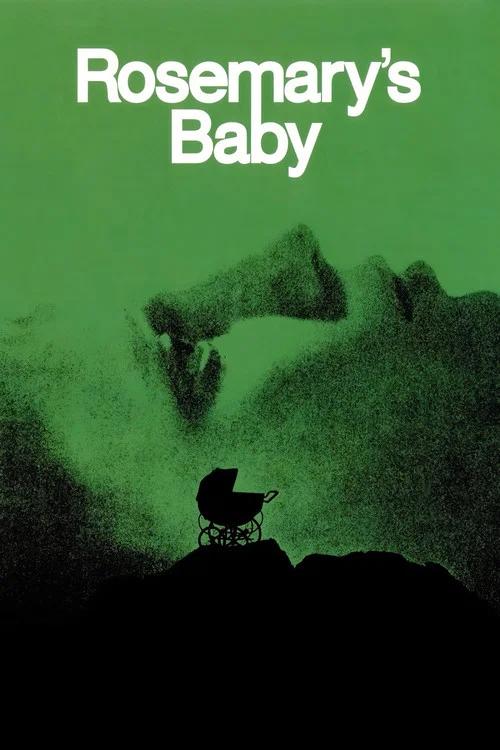
Films that share techniques with War of the Worlds include The Zone of Interest (2023), The Conversation (1974), Son of Saul (2015), A Quiet Place (2018).