Romance · Drama · Thriller

Bitter Moon

Roman Polanski, 1992

On a cruise to Istanbul, a mild British husband is pulled into the story of a disabled American writer and his much younger wife. As the writer tells it, their love turned into a contest of cruelty. Watch how the story told in a cabin starts to steer the people listening.

Bitter Moon (1992) poster

At a glance

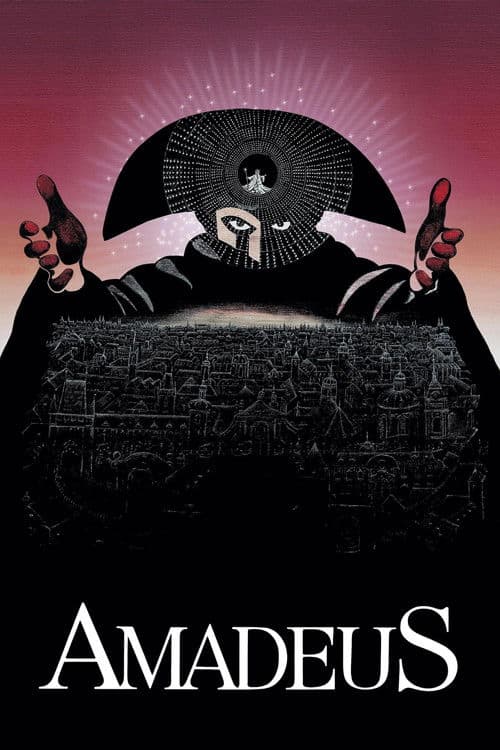
Bitter Moon is a 1992 romance, drama and thriller film directed by Roman Polanski. This breakdown covers 5 techniques (3 narrative, 1 psychology and 1 cinematography), each with the scene where you can see it. If you like how it is made, Amadeus uses several of the same techniques.

Narrative

Frame Narrative as Trap

Wrapping the story inside another story that turns out to be a trap or a deception. The listener, or you as the viewer, gets locked into the teller's version before realizing what it is for.

How this film uses it

Oscar tells Nigel the story of his love for Mimi in his cabin. You settle into his version of events, and Oscar ends up shaping what Nigel does next. By the time Oscar tells the ending, the listener is part of the story.

Where to see it

Oscar's cabin: Oscar invites Nigel in and tells him how he met Mimi on a Paris bus and fell in love.
Narrative

Obsession as Structural Engine

Building the whole plot on one character's fixation with a person, goal or rival. Every scene ties back to it, and the obsession keeps feeding itself while it destroys them.

How this film uses it

Oscar and Mimi cannot let go of each other. She begs to live with him after he tries to break up, and later he has to let her move back in after the accident that leaves him paraplegic. The film's events follow the cycle of that need.

Where to see it

The breakup: Oscar tries to end things, but Mimi begs to live with him on any terms. He agrees and begins to humiliate her in public.

Narrative

Role Reversal Structure

Swapping the expected roles of characters or a fable's archetypes as the story progresses, so power and sympathy shift and old assumptions fail.

How this film uses it

Oscar first controls and humiliates Mimi. After the hospital scene leaves him paraplegic, she dominates him and seduces other men in front of him. You see the same cruelty with a new victim.

Where to see it

The hospital: Mimi visits Oscar, pulls him out of bed and leaves him hanging in his traction device. He becomes paraplegic and has to take her back.

Psychology

Toxic Codependency

Showing two people bound together by mutual harm or guilt. They cannot leave and cannot heal, and the bond feeds on its own cruelty.

How this film uses it

Even when Oscar is desperate enough to want to die, Mimi gives him a gun as a birthday present. After the highs and lows they realize they need each other and marry. The film asks you to see a bond you would not want yourself.

Where to see it

The marriage: After years of humiliation, Oscar and Mimi realize they need each other and marry.

Cinematography

Weather as Emotional Mirror

Letting rain, storms, sunshine or changing scenery reflect what characters feel, often breaking at the story's peak. The environment says what the characters cannot.

How this film uses it

The New Year's Eve party is interrupted by a stormy sea just after Fiona and Mimi kiss. Nigel walks outside with a bottle and screams into the wind and waves. The weather matches his helplessness.

Where to see it

The storm: A stormy sea interrupts the New Year's Eve party. Nigel goes outside and screams his frustration into the wind and waves.

Questions

Bitter Moon: quick answers

What filmmaking techniques does Bitter Moon use?
CineCode breaks down 5 techniques in Bitter Moon (1992): Frame Narrative as Trap, Obsession as Structural Engine, Role Reversal Structure, Toxic Codependency and Weather as Emotional Mirror.
Who directed Bitter Moon?
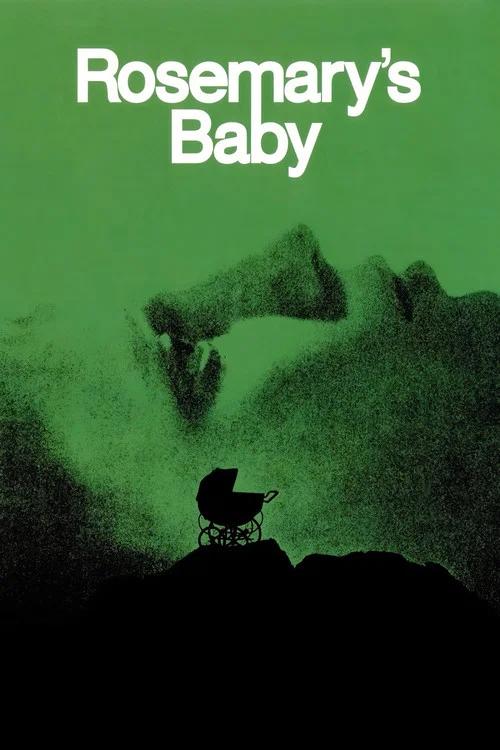
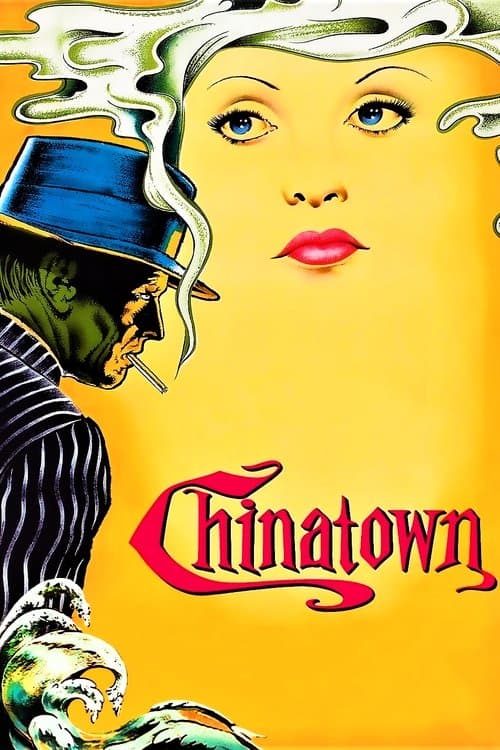
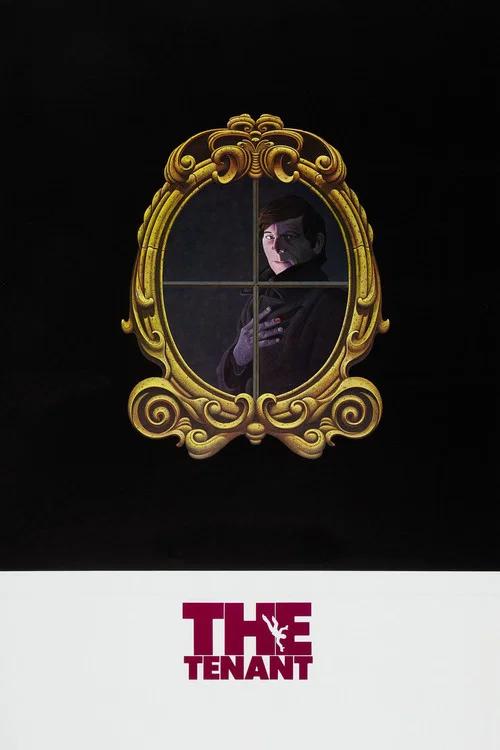
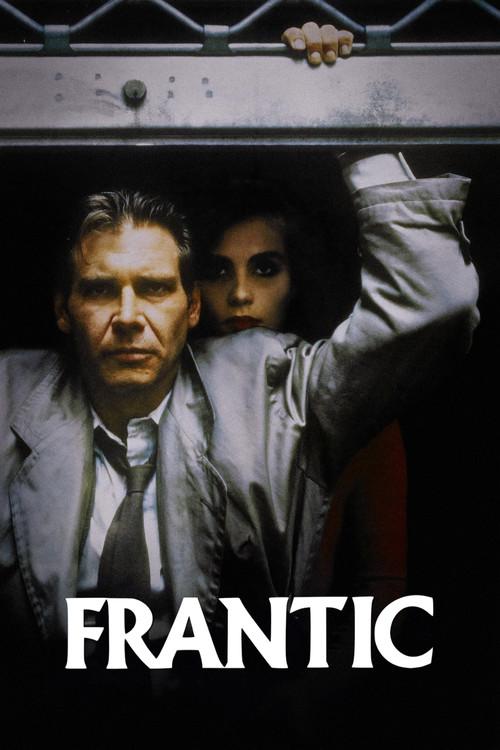
Roman Polanski directed Bitter Moon, released in 1992. CineCode also covers Repulsion (1965), The Fearless Vampire Killers (1967), Rosemary's Baby (1968), Chinatown (1974), The Tenant (1976), Frantic (1988).
What films are similar to Bitter Moon?
Films that share techniques with Bitter Moon include Amadeus (1984), The Prestige (2006), Harakiri (1962), The Grand Budapest Hotel (2014).