Drama · Comedy

Blue Jasmine

Woody Allen, 2013

A New York socialite loses everything when her husband's fraud comes out, and she moves in with her working-class sister in San Francisco. She keeps pretending she is still part of the rich life. Worth watching for Cate Blanchett's performance and for how the film cuts between her fall and her present-day denial.

Blue Jasmine (2013) poster

At a glance

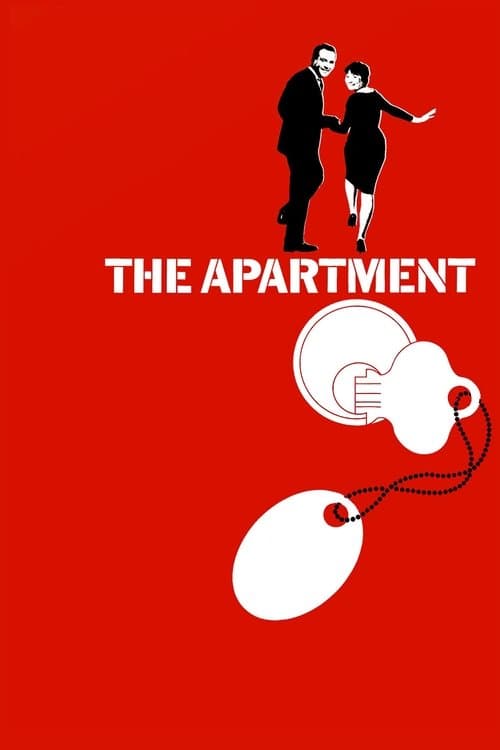
Blue Jasmine is a 2013 drama and comedy film directed by Woody Allen. This breakdown covers 4 techniques (2 narrative, 1 psychology and 1 cinematography), each with the scene where you can see it. If you like how it is made, The Apartment uses several of the same techniques.

Narrative

Parallel Chronology

Cutting back and forth between 2 timelines, often past and present. Each one helps explain the other as the film goes on.

How this film uses it

The film moves between San Francisco now and Jasmine's wealthy life in New York. The flashbacks reveal how Hal's fraud ended things, how Ginger and Augie lost their money and how Jasmine finally turned Hal in. The past explains why she acts the way she does today.

Where to see it

The flashbacks. Jasmine remembers the arrest of her husband and the family's collapse while she tries to start over.

Psychology

Protective Fiction

Having a character invent and keep up a false version of reality to shield someone they love, or themselves, from a truth too painful to bear. The lie is a way to survive.

How this film uses it

Jasmine lies to herself and to others. She tells Dwight her husband was a surgeon who died of a heart attack, and she poses as an interior designer. These stories shield her from a past she cannot face. They also cost her the one chance she has at a new life.

Where to see it

The party in Marin County. Jasmine meets Dwight and tells him a false story about her husband and herself.

Narrative

Symbolic Object

Returning to the same physical object again and again until it means more than what it is. It moves the plot and also stands for the film's main ideas.

How this film uses it

Jasmine wears a white Chanel jacket through the film. The costume designer had two copies, a new one for the flashbacks of her rich life and a worn-looking one for San Francisco. The jacket shows you how far she has fallen while she keeps holding on to what it stood for.

Where to see it

The jacket. Jasmine wears it in both timelines, new in New York and shabby in San Francisco.

Cinematography

Architectural Class Opposition

Contrasting the buildings and rooms different social classes live in. The powerful get large, warm spaces and the powerless get cramped or exposed ones, so you see a gap nobody says aloud.

How this film uses it

Jasmine arrives at her sister Ginger's home and looks down on it, and on Ginger's boyfriend Chili, a mechanic. Later she meets Dwight and enters his wealthier world. The homes they live in show the gap between her old life and her sister's.

Where to see it

The arrival at Ginger's apartment. Ginger is dismayed to learn that Jasmine flew first class while claiming to be broke.

Questions

Blue Jasmine: quick answers

What filmmaking techniques does Blue Jasmine use?
CineCode breaks down 4 techniques in Blue Jasmine (2013): Parallel Chronology, Protective Fiction, Symbolic Object and Architectural Class Opposition.
Who directed Blue Jasmine?
Woody Allen directed Blue Jasmine, released in 2013. CineCode also covers Take the Money and Run (1969), Bananas (1971), Everything You Always Wanted to Know About Sex *But Were Afraid to Ask (1972), Sleeper (1973), Love and Death (1975), Annie Hall (1977).
What films are similar to Blue Jasmine?
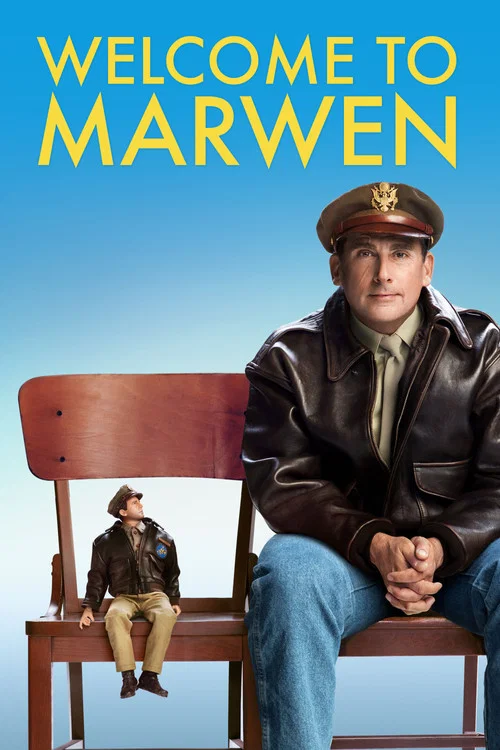
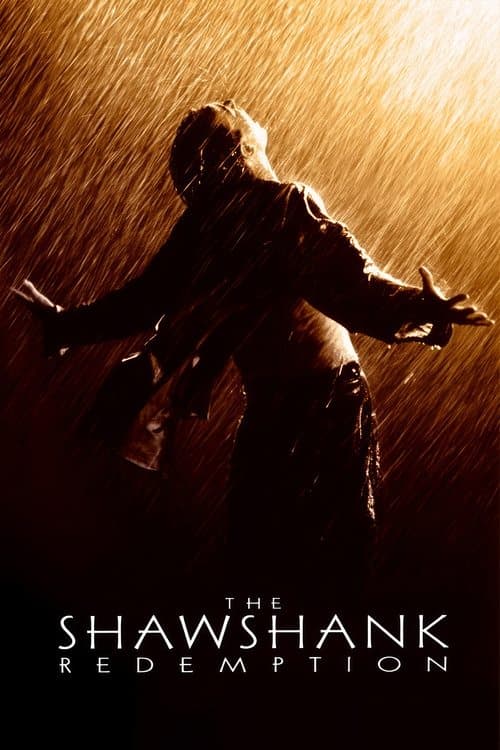
Films that share techniques with Blue Jasmine include The Apartment (1960), Pan's Labyrinth (2006), Welcome to Marwen (2018), The Shawshank Redemption (1994).