Romance · Comedy · Fantasy

I'm a Cyborg, But That's OK

Park Chan-wook, 2006

A young factory worker who believes she is a cyborg is sent to a psychiatric hospital, where another patient falls for her. It's one of Park's lighter films. As a filmmaker, watch how the hospital becomes a place where delusions are drawn on screen.

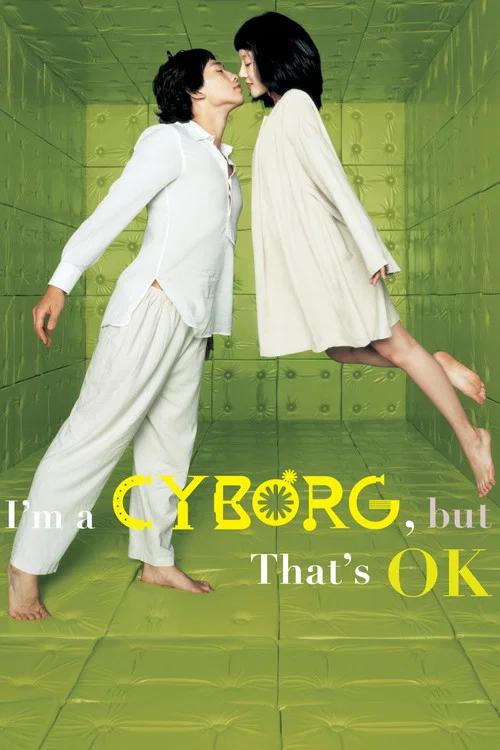
I'm a Cyborg, But That's OK (2006) poster

At a glance

I'm a Cyborg, But That's OK is a 2006 romance, comedy and fantasy film directed by Park Chan-wook. This breakdown covers 4 techniques (1 psychology, 2 narrative and 1 cinematography), each with the scene where you can see it. If you like how it is made, Bug uses several of the same techniques.

Psychology

Unreliable Reality

Keeping it unclear what is real and what is imagined in the film's world. You end up as unsure as the main character.

How this film uses it

Young-goon is sure she is a cyborg. She licks batteries, talks to machines and refuses to eat. The film shows the world the way she sees it, so you are never sure what is real.

Where to see it

The scene where Young-goon cuts her wrist and plugs it into a power cord. It is the moment that lands her in the hospital.
Narrative

Genre Collage

Mixing several genres in 1 film, such as crime, romance, horror and absurd comedy. The clash between them keeps you from settling into a single way of watching.

How this film uses it

The film switches between romantic comedy, hospital drama, fantasy and violent action. The jokes, the love story and the revenge fantasy sit side by side. It keeps you from settling into one way of watching.

Where to see it

Young-goon's rampage fantasy. She imagines killing the hospital's doctors and orderlies, and the film plays it like an action movie.

Cinematography

Production Design as Psychological Space

Designing the sets to reflect what is going on inside a character. The place they live in tells you things about them that the dialogue doesn't.

How this film uses it

Critics praised the production design of the hospital. The hospital is a strange place that suits its patients. Il-soon wears handmade rabbit masks, and the space makes room for his quirks and Young-goon's machine logic.

Where to see it

Il-soon's rabbit masks. He wears handmade masks in the hospital, and the space lets him get away with it.

Narrative

Playing Along With Delusion

Having a character step into another person's delusion and help from inside it, without arguing against it. The kindness works because it respects how they see the world.

How this film uses it

When doctors force-feed Young-goon, Il-soon invents a fictional "rice-megatron" to convince her to eat. He never tells her she is not a cyborg. The film treats his gentleness as love.

Where to see it

Il-soon's rice-megatron trick. He gives her a way to eat that fits her own cyborg logic.

Questions

I'm a Cyborg, But That's OK: quick answers

What filmmaking techniques does I'm a Cyborg, But That's OK use?
CineCode breaks down 4 techniques in I'm a Cyborg, But That's OK (2006): Unreliable Reality, Genre Collage, Production Design as Psychological Space and Playing Along With Delusion.
Who directed I'm a Cyborg, But That's OK?
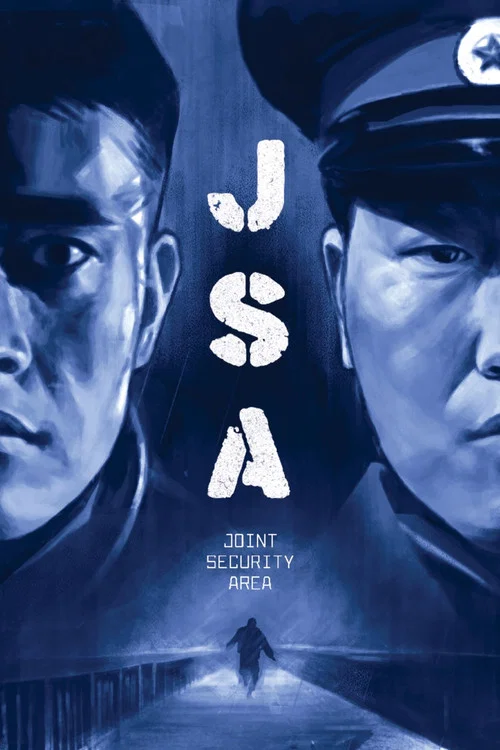
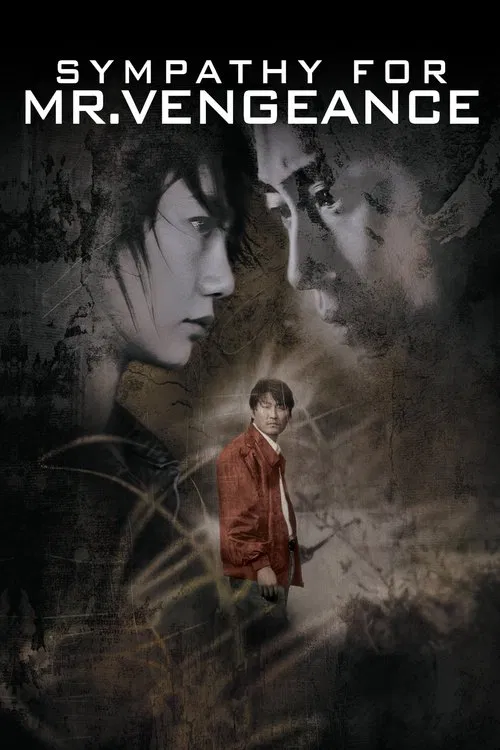
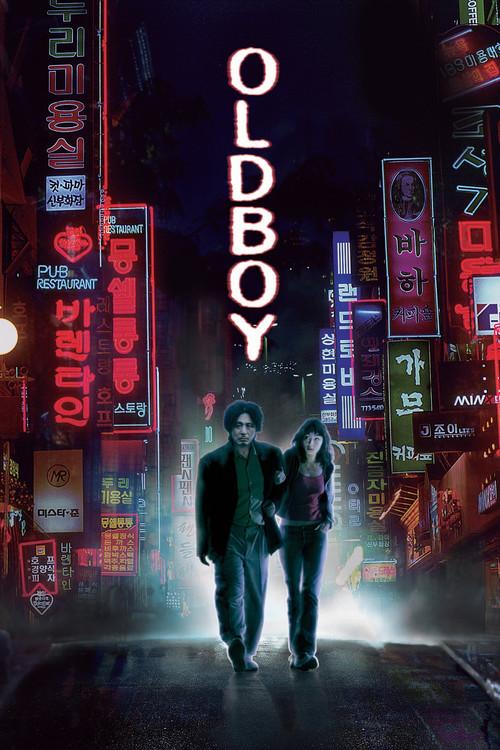
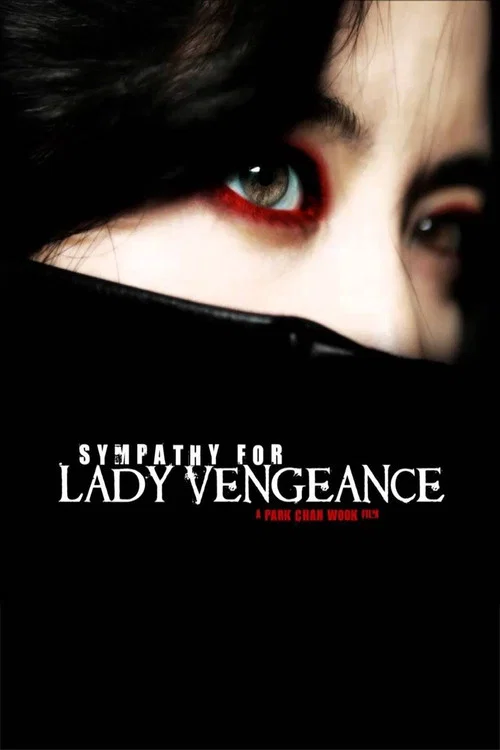
Park Chan-wook directed I'm a Cyborg, But That's OK, released in 2006. CineCode also covers Joint Security Area (2000), Sympathy for Mr. Vengeance (2002), Oldboy (2003), Lady Vengeance (2005), Thirst (2009), Stoker (2013).
What films are similar to I'm a Cyborg, But That's OK?
Films that share techniques with I'm a Cyborg, But That's OK include Bug (2007), The Babadook (2014), The Tragedy of Macbeth (2021), Barton Fink (1991).