Drama · Adventure

Cast Away

Robert Zemeckis, 2000

A FedEx systems analyst crashes in the Pacific and survives alone on an uninhabited island for 4 years. When he finally returns to civilization, he discovers that the life he was trying to get back to has already moved on without him. Robert Zemeckis' film is about how surviving changes the thing you are surviving for.

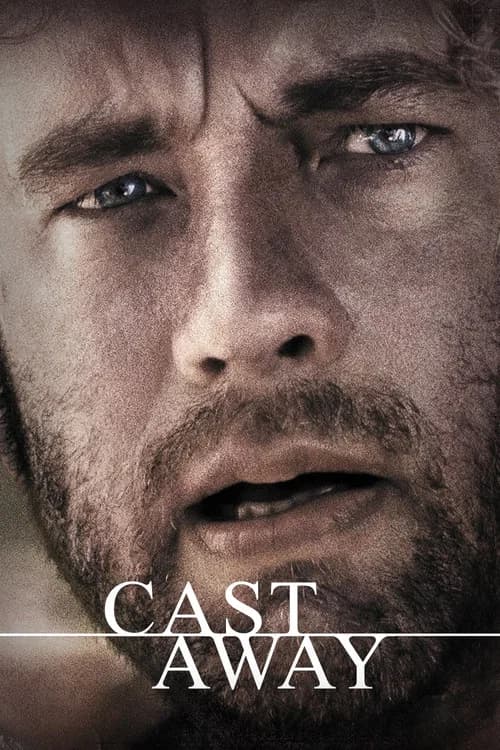
Cast Away (2000) poster

At a glance

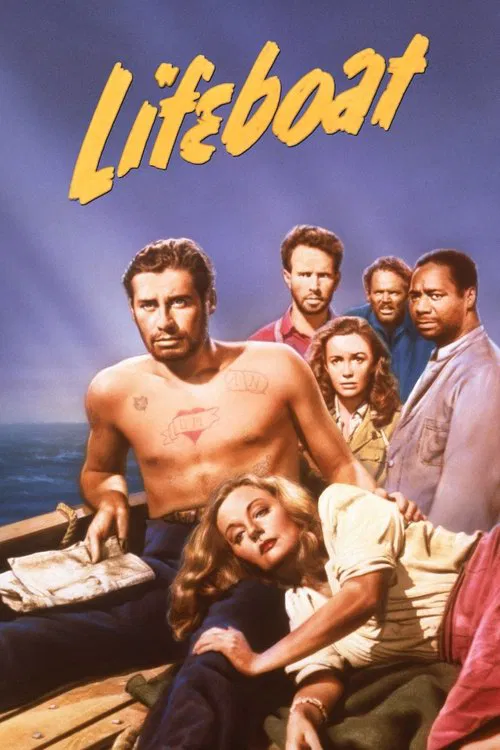
Cast Away is a 2000 drama and adventure film directed by Robert Zemeckis. This breakdown covers 4 techniques (2 cinematography, 1 sound and 1 narrative), each with the scene where you can see it. If you like how it is made, Lifeboat uses several of the same techniques.

Cinematography

Silent Performance Centrality

Building long stretches around 1 performer's face and body with little or no dialogue. The camera stays close and lets their behavior tell you what they are feeling.

How this film uses it

Tom Hanks carries long stretches of the film almost alone. The island sequences have no score and almost no human dialogue. They demand a performance made only of physical behavior, problem-solving and his face. He has to show what is going on inside him with nobody there but the camera and a volleyball.

Where to see it

Chuck's early time on the island. He opens the packages, struggles to find food and water and learns to make fire with no one to speak to. The camera gives the problem-solving and the despair equal attention.
Sound

Absent Musical Score

Leaving out background music almost entirely, even in scenes that would normally have it. Wind, footsteps and a creaking door have to create the mood and emotion.

How this film uses it

Alan Silvestri's score doesn't start until Chuck escapes the island on his raft. The island scenes have no music at all. For the 4 years on the island, all you hear is the ocean, the wind and Hanks' body moving through the place. With no musical cues, nobody is managing your emotions for you.

Where to see it

The extended island survival sequences. With the score completely absent, the sounds of the environment are the only thing the film gives you besides the picture. The wind and ocean work like a background score that refuses to tell you how to feel.

Narrative

Symbolic Object

Returning to the same physical object again and again until it means more than what it is. It moves the plot and also stands for the film's main ideas.

How this film uses it

Wilson the volleyball gets decorated with a handprint, named, talked to and mourned. He becomes the most important character in the film. Chuck's relationship with a lifeless object holds pretty much everything the film has to say about the human need for connection and the things we make to survive loneliness.

Where to see it

Wilson floating away in the ocean. Chuck cries for a volleyball and you cry with him. By then, the object has built up enough meaning that losing it is truly devastating.

Cinematography

Single-Location Cinematography

Shooting almost the whole film in 1 confined place. Set design and camera movement keep it visually interesting, and the space itself takes on meaning as the story goes on.

How this film uses it

Zemeckis shot the island sequences on an actual Fijian island, and the layout of that location shapes how the survival story is told. Chuck and the camera explore and map every corner of the island across 4 years of story.

Where to see it

Chuck surveying the island's perimeter. The single location gets mapped and its edges are set, and those edges are the limits of his world. The camera lays out the geography that will confine every scene after it.

Questions

Cast Away: quick answers

What filmmaking techniques does Cast Away use?
CineCode breaks down 4 techniques in Cast Away (2000): Silent Performance Centrality, Absent Musical Score, Symbolic Object and Single-Location Cinematography.
Who directed Cast Away?
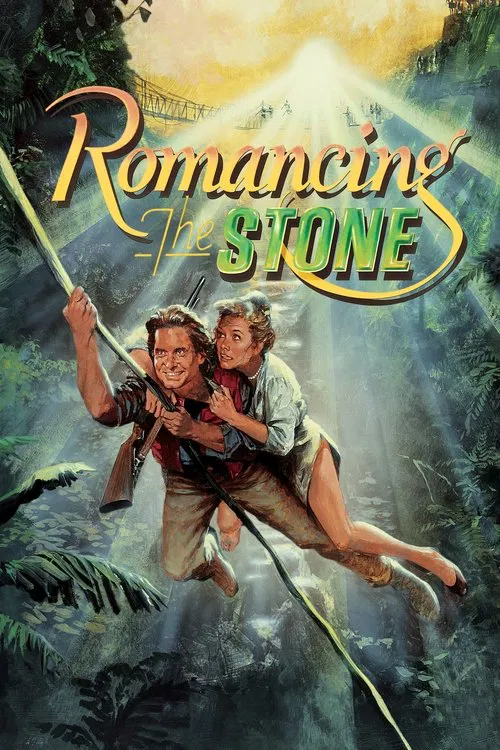
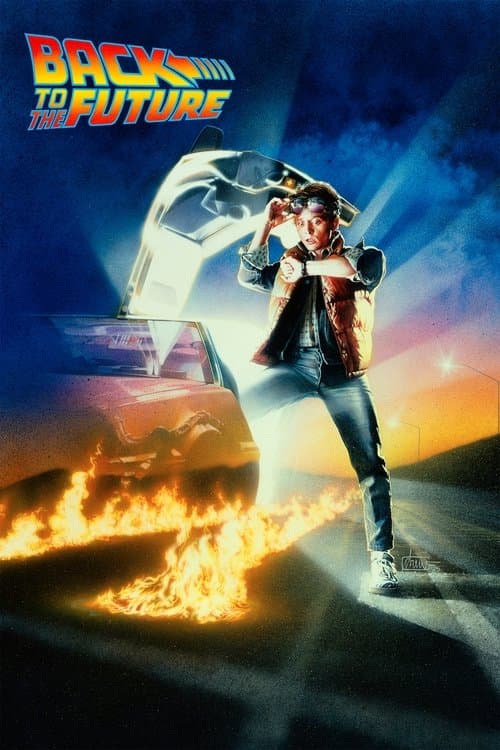
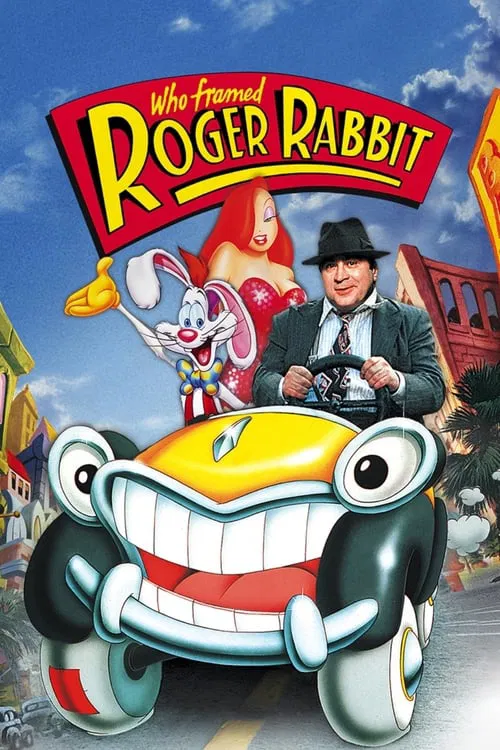
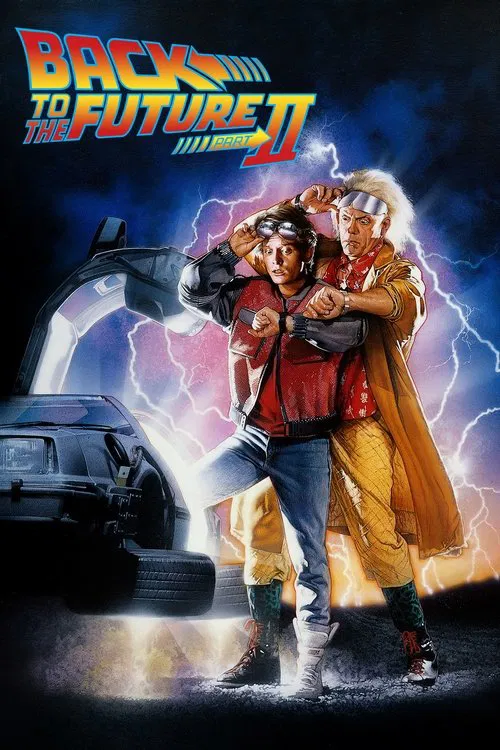
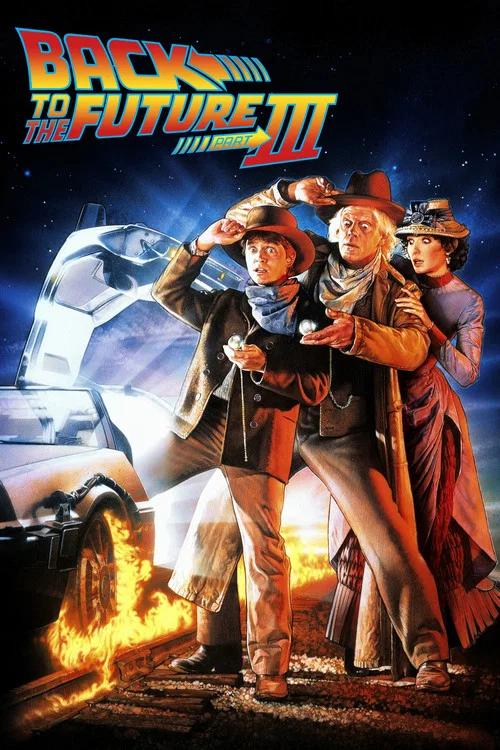
Robert Zemeckis directed Cast Away, released in 2000. CineCode also covers Romancing the Stone (1984), Back to the Future (1985), Who Framed Roger Rabbit (1988), Back to the Future Part II (1989), Back to the Future Part III (1990), Death Becomes Her (1992).
What films are similar to Cast Away?
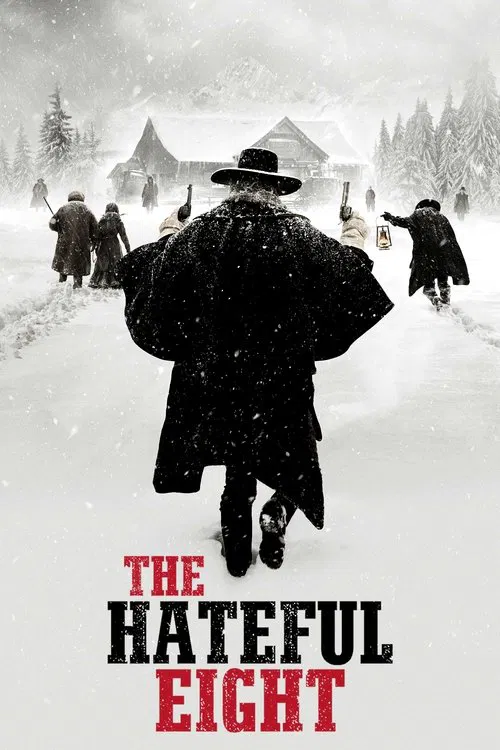
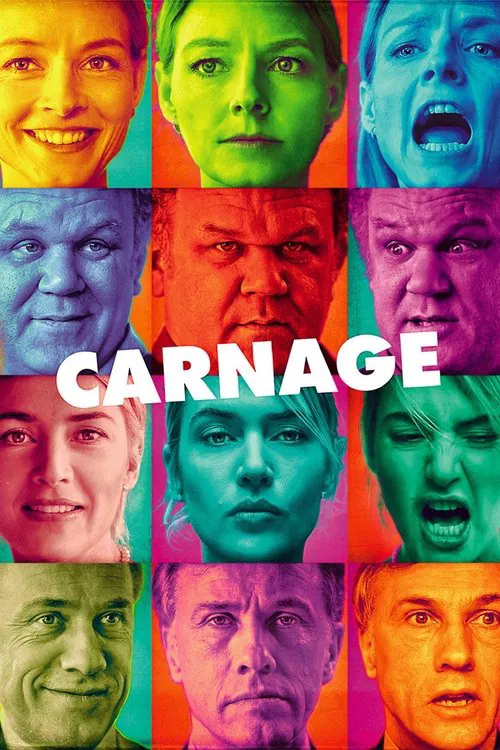
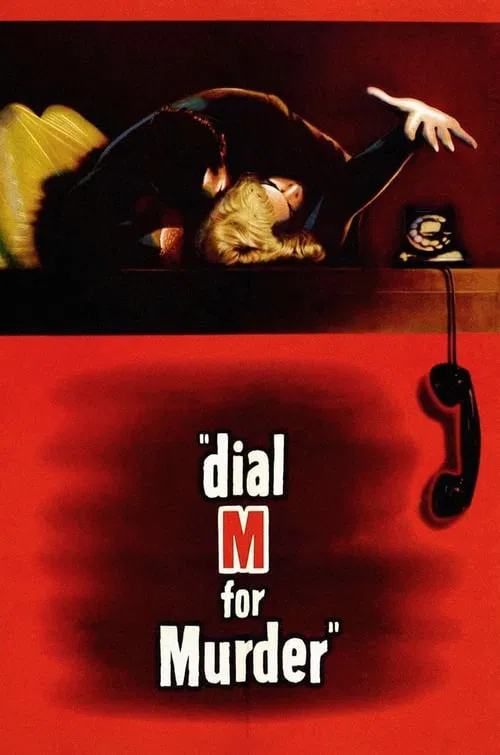
Films that share techniques with Cast Away include Lifeboat (1944), Dial M for Murder (1954), The Hateful Eight (2015), Carnage (2011).