Horror · Mystery · Drama

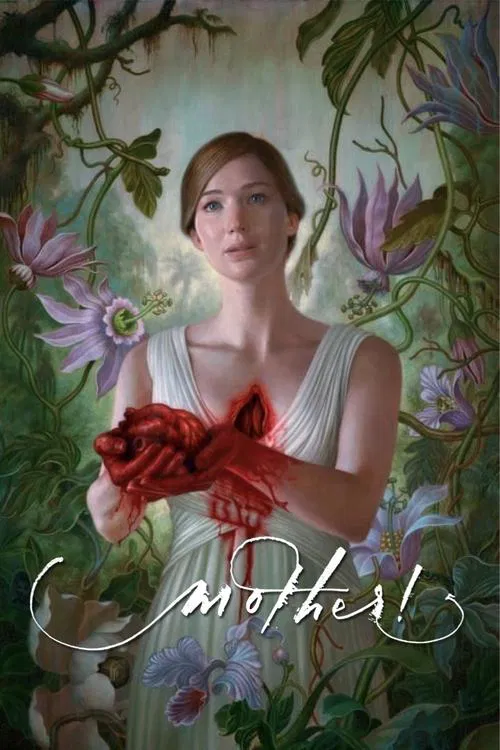
mother!

Darren Aronofsky, 2017

A woman restores a remote country house with her poet husband. When uninvited guests arrive and refuse to leave, things fall apart. Aronofsky stays on Jennifer Lawrence's face for most of the film, and every scene works as part of one larger metaphor.

mother! (2017) poster

At a glance

mother! is a 2017 horror, mystery and drama film directed by Darren Aronofsky. This breakdown covers 5 techniques (2 narrative, 2 cinematography and 1 sound), each with the scene where you can see it. If you like how it is made, Cast Away uses several of the same techniques.

Narrative

Central Metaphor Structure

Organizing the whole film around one extended metaphor, such as a hunt, a list of sins or a body as machine, so the plot becomes the figure's illustration.

How this film uses it

The film is built as one extended allegory in which the house, the poet and the guests stand for bigger ideas. Once you see it, every event reads as part of the same figure. Even the small mishaps feel connected.

Where to see it

The sink. Guests sit on the kitchen sink, it breaks and floods the house.
Cinematography

Gothic Mansion Symbolism

Setting the story in a large, decaying or out-of-date house that mirrors its owner's mind. The building shows the feelings and history that keep the people inside trapped.

How this film uses it

The big country house is the film's whole world, and it reflects the mother's mind and her work. As visitors damage it, the house changes with them. The place never lets her leave.

Where to see it

The house under repair. The mother works on the walls and floors while her husband stays shut in his study.

Cinematography

Handheld Cinema Vérité

Shooting with a handheld camera so the frame shakes and moves with the action. This documentary-style look, called cinema vérité, puts you uncomfortably close to the character.

How this film uses it

Aronofsky and cinematographer Matthew Libatique shot on 16mm with a handheld camera that sticks close to Lawrence. They limited the film to three kinds of shots, including close-ups of her and shots over her shoulder. You feel her panic as things get worse.

Where to see it

The party in the house. The camera follows the mother through the crowd and keeps close to her face.

Sound

Absent Musical Score

Leaving out background music almost entirely, even in scenes that would normally have it. Wind, footsteps and a creaking door have to create the mood and emotion.

How this film uses it

The film has no conventional score. You hear footsteps, pipes and creaks, and every sound in the house is part of the mix. The silence makes the arrival of guests feel like an invasion.

Where to see it

The first night with the guests. The only sounds are the house and the visitors in it.

Narrative

Symbolic Object

Returning to the same physical object again and again until it means more than what it is. It moves the plot and also stands for the film's main ideas.

How this film uses it

The crystal on the pedestal in the poet's study is treasured and then broken by guests. Its breaking starts the chain of damage to the house. The object gathers the film's idea of what is precious.

Where to see it

The broken crystal. Two guests accidentally shatter the crystal from the poet's study, and the trouble in the house begins to spread.

Questions

mother!: quick answers

What filmmaking techniques does mother! use?
CineCode breaks down 5 techniques in mother! (2017): Central Metaphor Structure, Gothic Mansion Symbolism, Handheld Cinema Vérité, Absent Musical Score and Symbolic Object.
Who directed mother!?
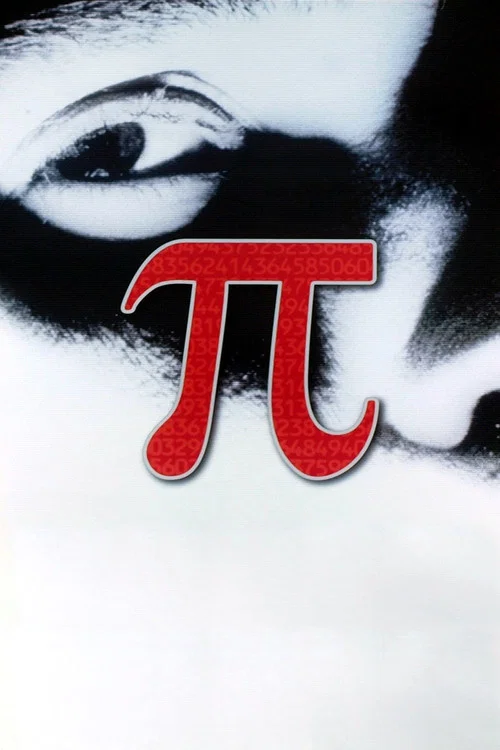
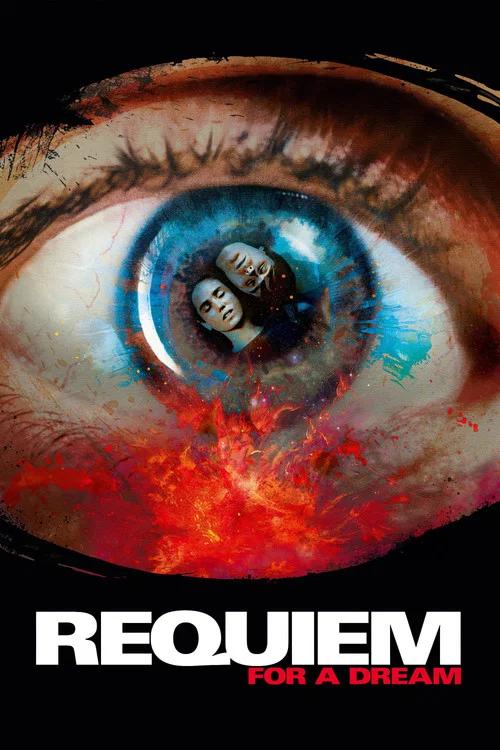
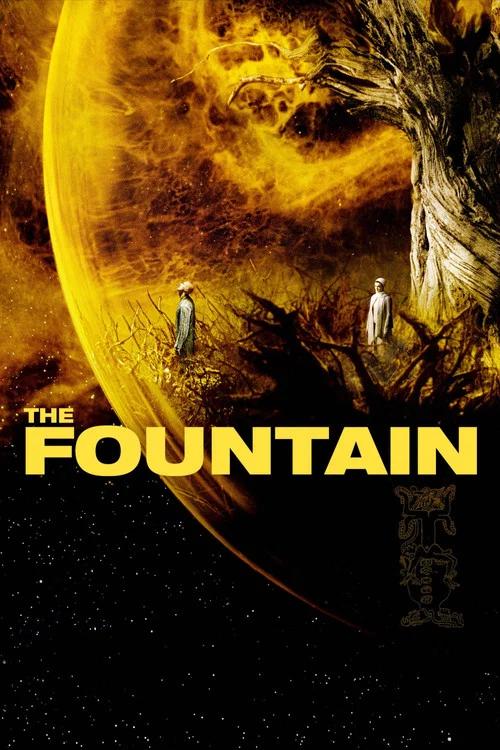
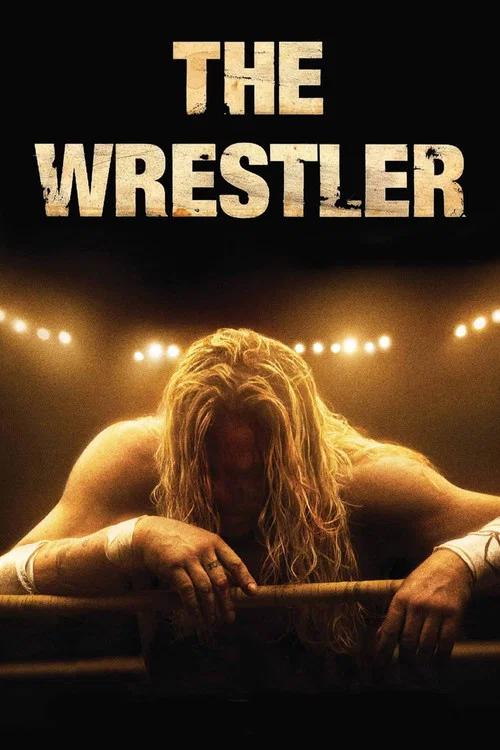
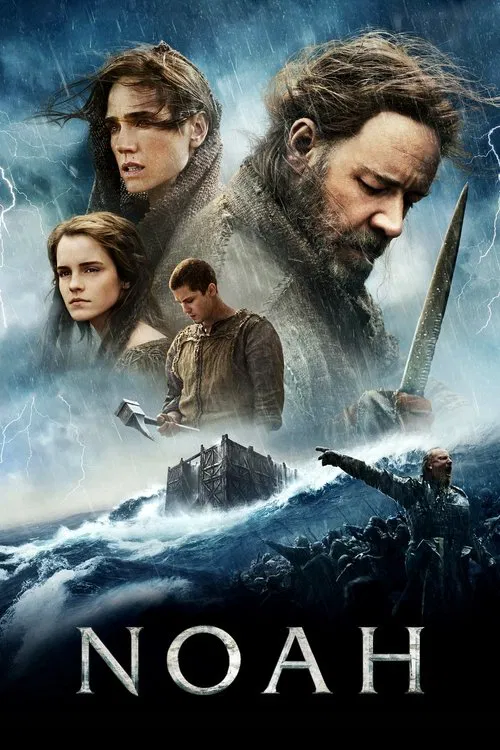
Darren Aronofsky directed mother!, released in 2017. CineCode also covers Pi (1998), Requiem for a Dream (2000), The Fountain (2006), The Wrestler (2008), Black Swan (2010), Noah (2014).
What films are similar to mother!?
Films that share techniques with mother! include Cast Away (2000), Stoker (2013), Great Expectations (1946), Chungking Express (1994).