Comedy · Crime · Adventure

Drive-Away Dolls

Ethan Coen, 2024

In 1999, 2 friends, one loose and one uptight, drive from Philadelphia to Tallahassee in a rental car that secretly holds a briefcase some gangsters want back. Ethan Coen and his wife Tricia Cooke made it as a scrappy, playful B-movie. Watch how fast it moves and how seriously it plays the nonsense.

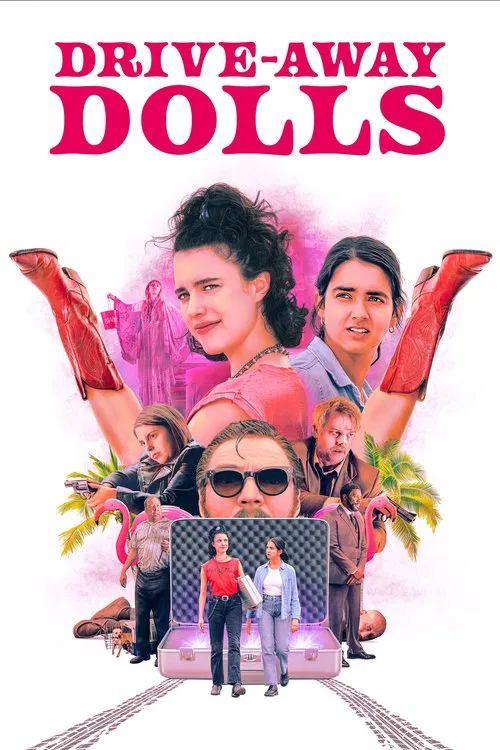
Drive-Away Dolls (2024) poster

At a glance

Drive-Away Dolls is a 2024 comedy, crime and adventure film directed by Ethan Coen. This breakdown covers 5 techniques (3 narrative, 1 editing and 1 psychology), each with the scene where you can see it. If you like how it is made, The Big Lebowski uses several of the same techniques.

Narrative

The MacGuffin

Giving the characters an object, secret or goal that everyone chases. What it actually is barely matters, because its job is to set the characters against each other.

How this film uses it

Everyone chases the briefcase, and what is inside matters less than the chase. It holds plaster casts of powerful men, and it ties the women, the gangsters and a senator together. The silly contents keep the whole film comic.

Where to see it

The briefcase. Jamie and Marian find it in the car, and the 3 criminals follow them to get it back.
Narrative

Deadpan Absurdism

Showing extreme, violent or surreal events while the characters react as if nothing unusual is happening. That mismatch is funny and unsettling at the same time.

How this film uses it

The film plays a beheading, blackmail and plaster casts of powerful men in a light, breezy tone. The gangsters stay businesslike about it. That calm is the joke.

Where to see it

The opening. Santos nervously holds a briefcase in a Philadelphia bar, and a short time later he is killed and beheaded in an alley.

Narrative

Picaresque Structure

Telling the story as a loose string of separate adventures, often following a low-status hero through different levels of society. With no single plot, the episodes add up to a portrait of a world.

How this film uses it

The trip south becomes a chain of stops and mishaps. Jamie keeps steering Marian toward casual hookups at lesbian bars along the way. No single plot beat matters as much as the road and the odd people on it.

Where to see it

The lesbian bars. Jamie tries to get Marian to have casual sex at bars during the drive.

Editing

Wipe Transition

Changing scenes by having 1 image slide off screen as the next slides in. The technique comes from 1930s serials and samurai films, and using it nods to that tradition.

How this film uses it

Drive-Away Dolls uses screen wipes and scene transitions that echo old midnight movies. They keep the film light and fast, and they remind you not to take its violence seriously. Coen and Cooke have cited 1970s exploitation films as an influence.

Where to see it

The scene changes. The film wipes between scenes on its way to Florida, in the style of a drive-in movie.

Psychology

Personal Awakening Arc

Showing a character coming to recognize their own worth or voice, often through contact with someone who contrasts with them. The change is internal before it is visible.

How this film uses it

Jamie is loud and impulsive, and Marian is reserved. The trip keeps pushing Marian out of her shell, and the comedy comes from how much each one rubs off on the other.

Where to see it

The start of the trip. Jamie, fresh from a breakup, joins Marian on a drive from Philadelphia to Tallahassee.

Questions

Drive-Away Dolls: quick answers

What filmmaking techniques does Drive-Away Dolls use?
CineCode breaks down 5 techniques in Drive-Away Dolls (2024): The MacGuffin, Deadpan Absurdism, Picaresque Structure, Wipe Transition and Personal Awakening Arc.
Who directed Drive-Away Dolls?
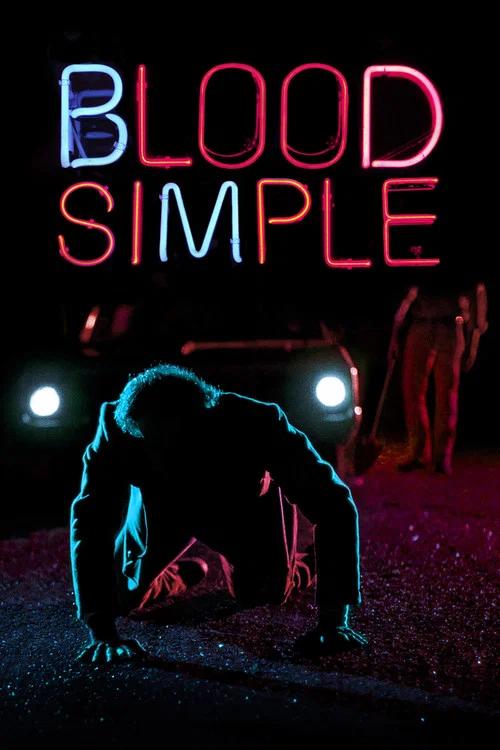
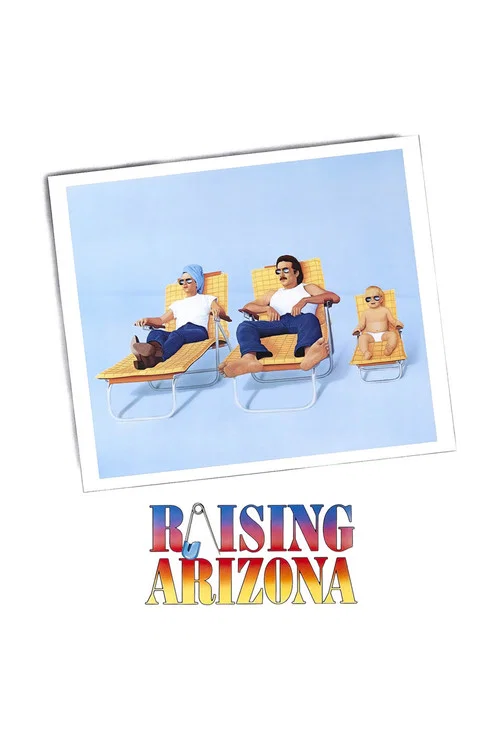
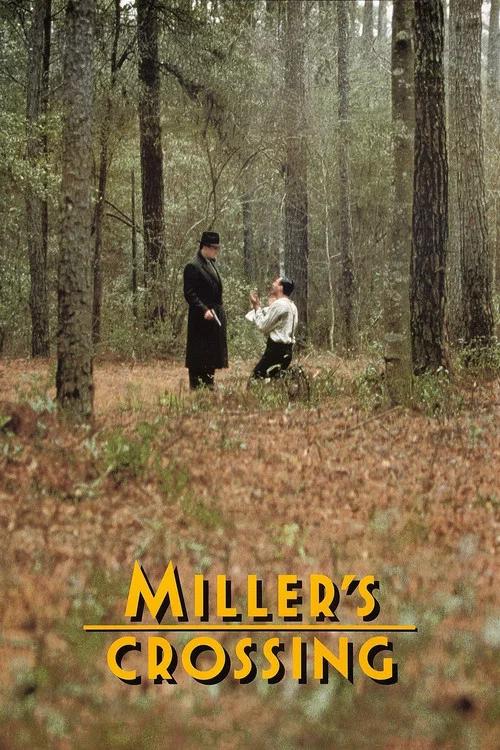
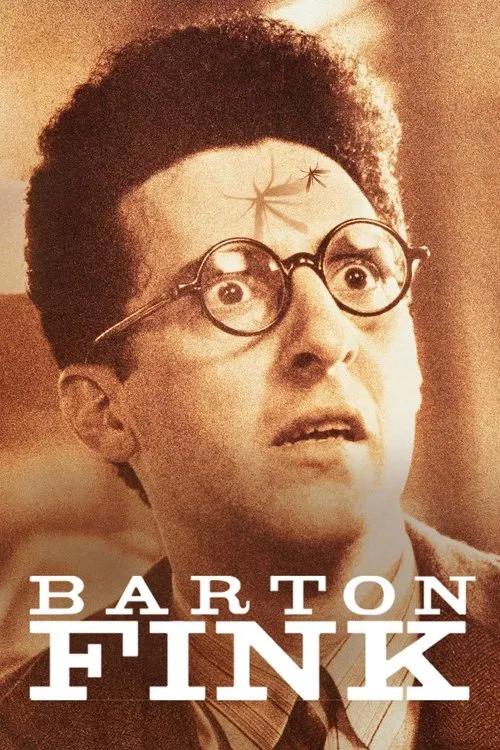
Ethan Coen directed Drive-Away Dolls, released in 2024. CineCode also covers Blood Simple (1985), Raising Arizona (1987), Miller's Crossing (1990), Barton Fink (1991), The Hudsucker Proxy (1994), Fargo (1996).
What films are similar to Drive-Away Dolls?
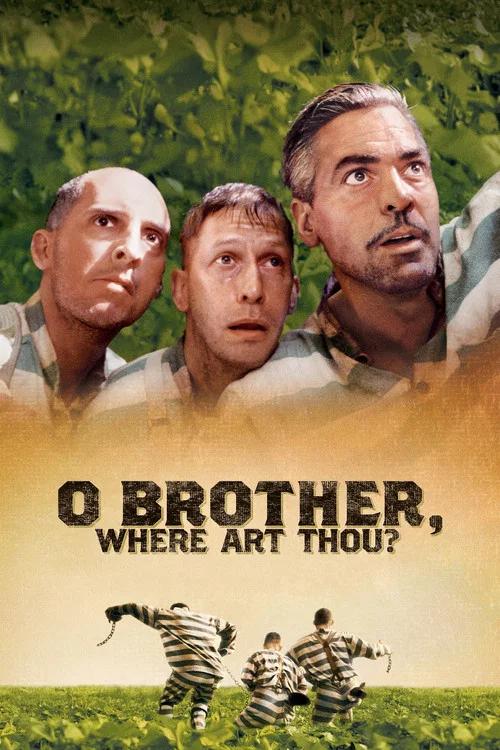
Films that share techniques with Drive-Away Dolls include The Big Lebowski (1998), O Brother, Where Art Thou? (2000), Time Bandits (1981), Inception (2010).