Comedy · Adventure · Crime

O Brother, Where Art Thou?

Joel Coen, Ethan Coen, 2000

In 1937 Mississippi, 3 convicts escape a chain gang to find treasure before a valley is flooded. Along the way they meet a blues guitarist, a bank robber, a Klan rally and a governor's race. The Coens retell an ancient epic poem through Depression-era folk music.

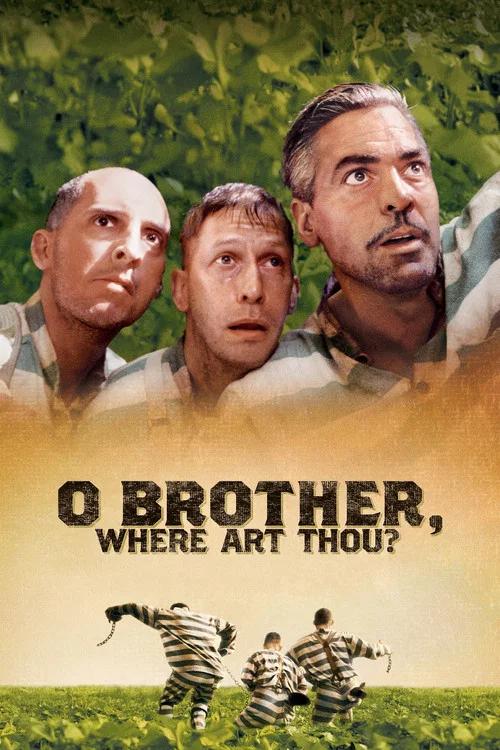
O Brother, Where Art Thou? (2000) poster

At a glance

O Brother, Where Art Thou? is a 2000 comedy, adventure and crime film directed by Joel Coen, Ethan Coen. This breakdown covers 5 techniques (3 narrative, 1 cinematography and 1 sound), each with the scene where you can see it. If you like how it is made, The Big Lebowski uses several of the same techniques.

Narrative

Picaresque Structure

Telling the story as a loose string of separate adventures, often following a low-status hero through different levels of society. With no single plot, the episodes add up to a portrait of a world.

How this film uses it

The story is a string of separate meetings. The trio encounters a blind seer, a baptism, singing washerwomen, a one-eyed Bible salesman, a famous outlaw and a Klan rally. None of these is really the main plot, and together they draw a portrait of the Depression-era South.

Where to see it

The road scenes after the escape. The 3 men move from the river baptism to the radio station to the bank robber's hideout.

Narrative

Deadpan Absurdism

Showing extreme, violent or surreal events while the characters react as if nothing unusual is happening. That mismatch is funny and unsettling at the same time.

How this film uses it

Things that should shock the characters are treated as normal. Delmar decides the washerwomen were sirens who turned Pete into a toad and carries the toad around. Everett keeps talking about his plans as if nothing strange has happened.

Where to see it

The scene after the 3 women feed them whiskey. The men wake up and Pete is gone, with a toad in his clothes, and Delmar insists on taking the toad along.

Narrative

Myth Retold in Modern Setting

Mapping an ancient myth, epic or historical event onto a contemporary or invented setting, so the old pattern gives the new story weight and inevitability.

How this film uses it

The film is loosely based on Homer's Odyssey. The 3 women who sing by the river are sirens, Big Dan is the one-eyed Cyclops and Penny is Penelope waiting at home. You do not need to know the poem to follow the plot, but knowing it adds jokes.

Where to see it

Big Dan's picnic. The one-eyed Bible salesman invites Everett and Delmar to lunch, then robs them.

Cinematography

Amber Color Grading

Tinting the image in warm amber, gold or orange. Depending on the film, the glow can feel nostalgic and old-world or sickly, as if home comforts are under threat.

How this film uses it

The Coens used digital color correction to give the whole film an autumnal, sepia look. The golden dust of the fields makes the Depression-era South look old and sunbaked. It feels like a faded photograph of a story you half remember.

Where to see it

The escape. Pete, Delmar and Everett break away from a Mississippi chain gang.

Sound

Cultural Musical Identity

Writing music with its own instruments, rhythms and melodies for each culture in the film, or drawing on a real culture's musical traditions. The score tells you about the people.

How this film uses it

Real folk, country and bluegrass musicians such as Ralph Stanley, Alison Krauss and Gillian Welch supplied the voices. The film's roots music tells you who these people are and where they come from. The soundtrack also won a Grammy for Album of the Year.

Where to see it

The gala dinner. In disguise, the group performs Man of Constant Sorrow and the crowd is electrified.

Questions

O Brother, Where Art Thou?: quick answers

What filmmaking techniques does O Brother, Where Art Thou? use?
CineCode breaks down 5 techniques in O Brother, Where Art Thou? (2000): Picaresque Structure, Deadpan Absurdism, Myth Retold in Modern Setting, Amber Color Grading and Cultural Musical Identity.
Who directed O Brother, Where Art Thou??
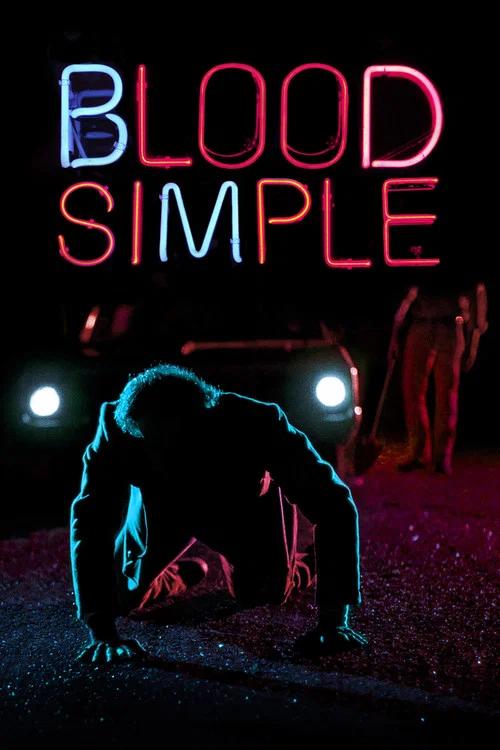
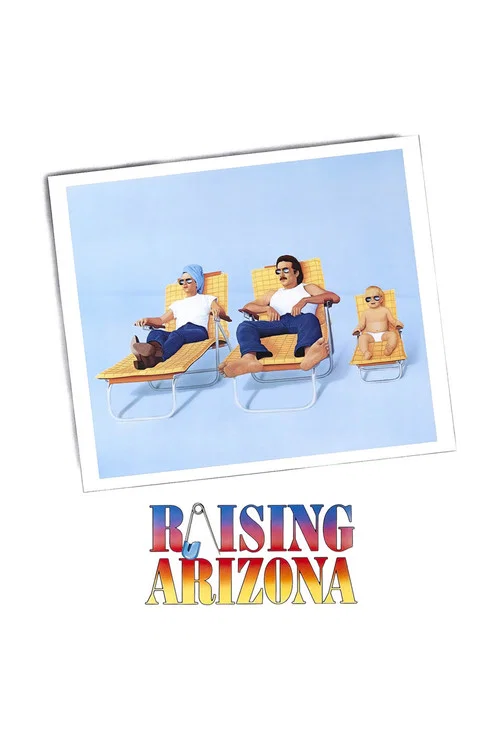
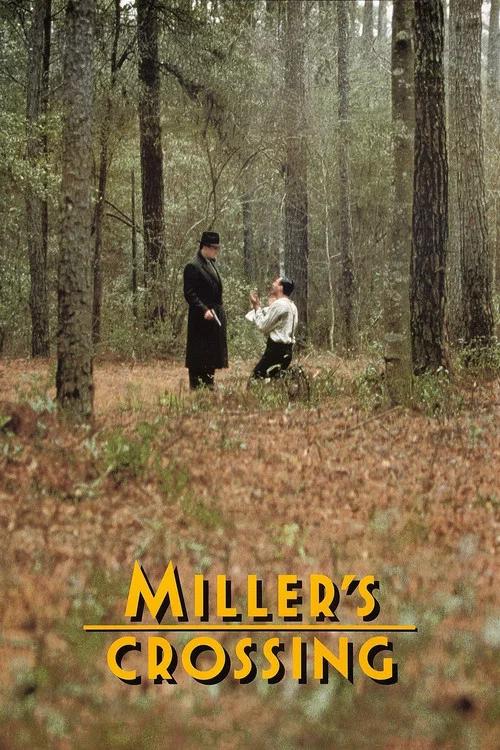
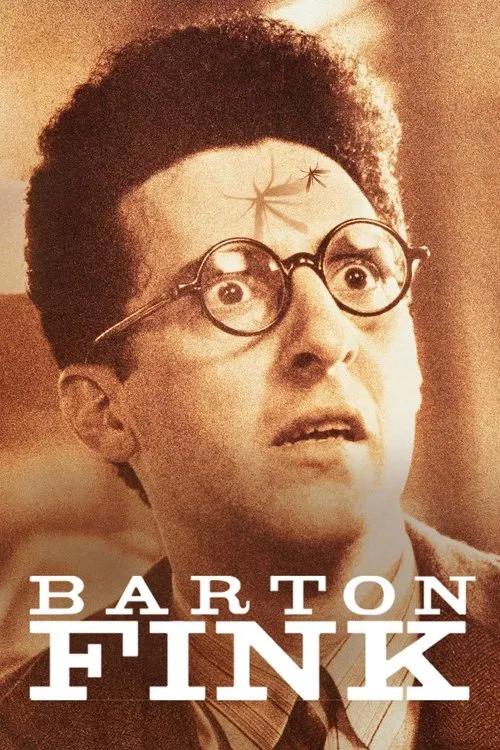
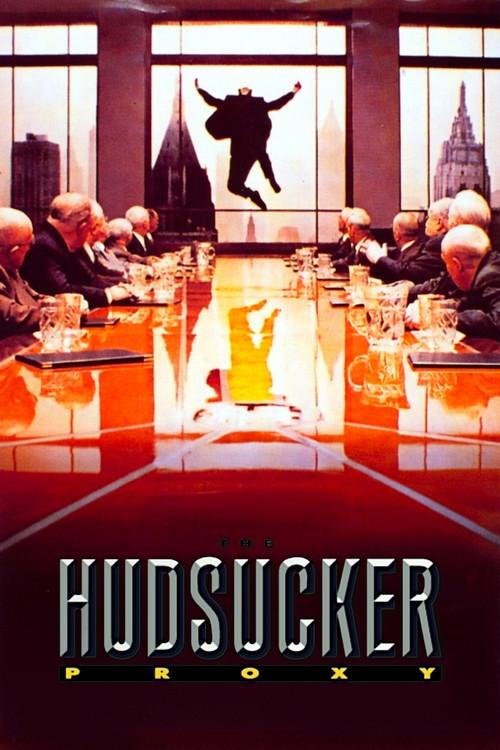
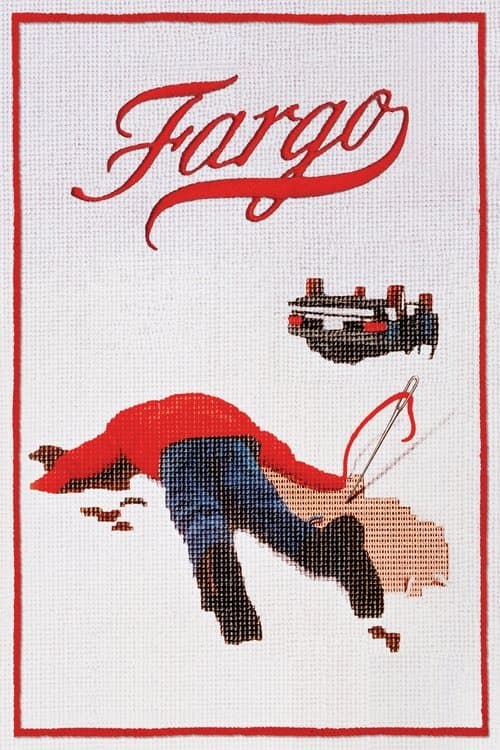
Joel Coen, Ethan Coen directed O Brother, Where Art Thou?, released in 2000. CineCode also covers Blood Simple (1985), Raising Arizona (1987), Miller's Crossing (1990), Barton Fink (1991), The Hudsucker Proxy (1994), Fargo (1996).
What films are similar to O Brother, Where Art Thou??
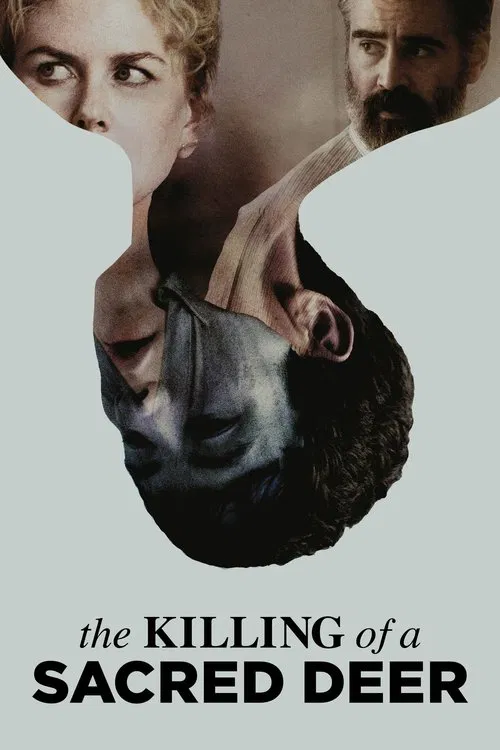
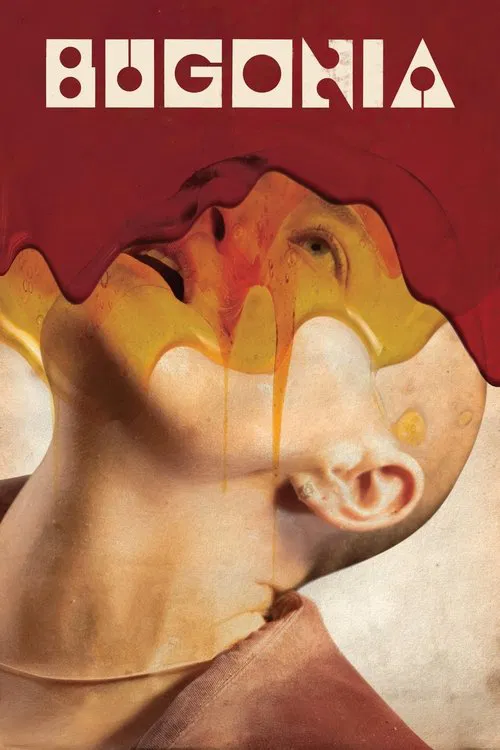
Films that share techniques with O Brother, Where Art Thou? include The Big Lebowski (1998), Drive-Away Dolls (2024), The Killing of a Sacred Deer (2017), Bugonia (2025).