Horror · Romance · Drama

Thirst

Park Chan-wook, 2009

A Catholic priest joins a medical experiment, survives a deadly virus, and wakes up as a vampire who is drawn to his friend's wife. Park turns Zola's novel Thérèse Raquin into a dark love story. Watch how the film builds a sunrise into its ending.

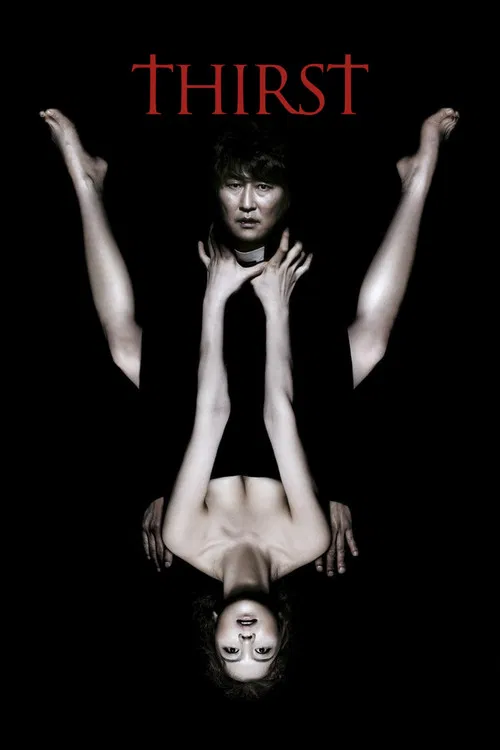
Thirst (2009) poster

At a glance

Thirst is a 2009 horror, romance and drama film directed by Park Chan-wook. This breakdown covers 4 techniques (1 psychology, 2 narrative and 1 cinematography), each with the scene where you can see it. If you like how it is made, Hannibal uses several of the same techniques.

Psychology

Body Horror

Showing the human body being changed, damaged or falling apart. The horror works because you imagine it happening to your own body, and it often stands for mental suffering.

How this film uses it

Sang-hyun catches the Emmanuel virus and recovers after a blood transfusion. Then he relapses and wakes as a vampire who can't resist human blood. His body is the thing that changes, and it stands for how far he has drifted from his faith.

Where to see it

The vampire awakening. Sang-hyun feeds on a comatose patient, then tries suicide and finds he cannot resist blood.


Narrative

Escalating Moral Stakes

Raising the ethical price of winning with each part of the story. Every compromise the characters make leads to a worse one, until they can't go back.

How this film uses it

He steals blood, starts an affair, kills Kang-woo and then turns Tae-ju into a vampire. Each step is a worse compromise than the last. By the end, there is no way back for either of them.

Where to see it

The fishing trip killing. Sang-hyun pulls Kang-woo into the lake, and the priest becomes a murderer.

Narrative

Genre Collage

Mixing several genres in 1 film, such as crime, romance, horror and absurd comedy. The clash between them keeps you from settling into a single way of watching.

How this film uses it

Park mixes a vampire horror film with an illicit love story and a crime plot about a murder. The mixture keeps you off balance. You never know whether to be scared or moved.

Where to see it

The mahjong night at Kang-woo's house. Sang-hyun sits among friends and starts to desire Tae-ju.

Cinematography

Light as Psychological Pressure

Using constant or harsh light that a character can't escape, so the brightness keeps them from resting or hiding. You watch them wear down under it.

How this film uses it

In the last scene, Sang-hyun parks in an open field with no shelter. Tae-ju tries to hide, and he blocks every attempt. Sunrise becomes the film's final judge.

Where to see it

The sunrise ending. Both vampires sit on the car hood, and Mrs. Ra watches them burn to ash as the light arrives.

Questions

Thirst: quick answers

What filmmaking techniques does Thirst use?
CineCode breaks down 4 techniques in Thirst (2009): Body Horror, Escalating Moral Stakes, Genre Collage and Light as Psychological Pressure.
Who directed Thirst?
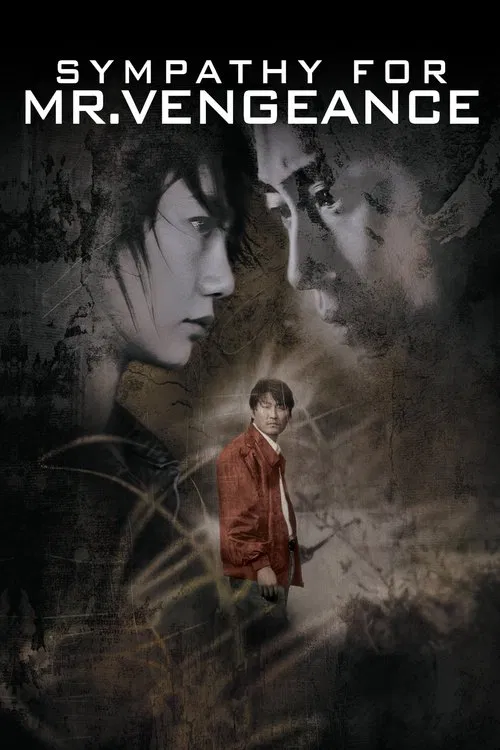
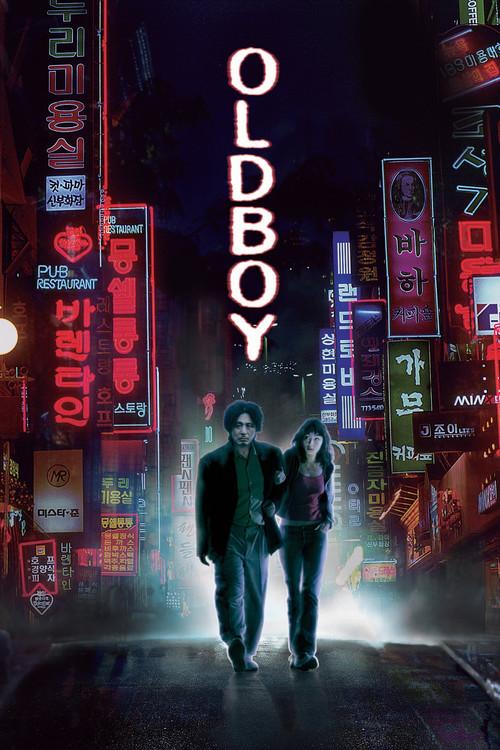
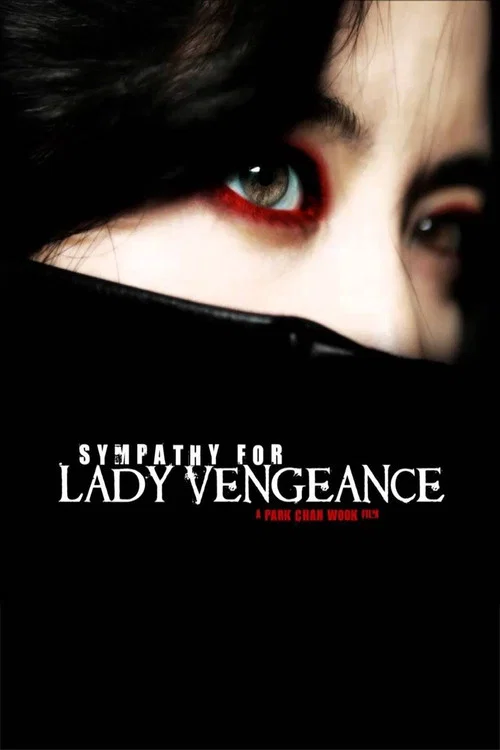
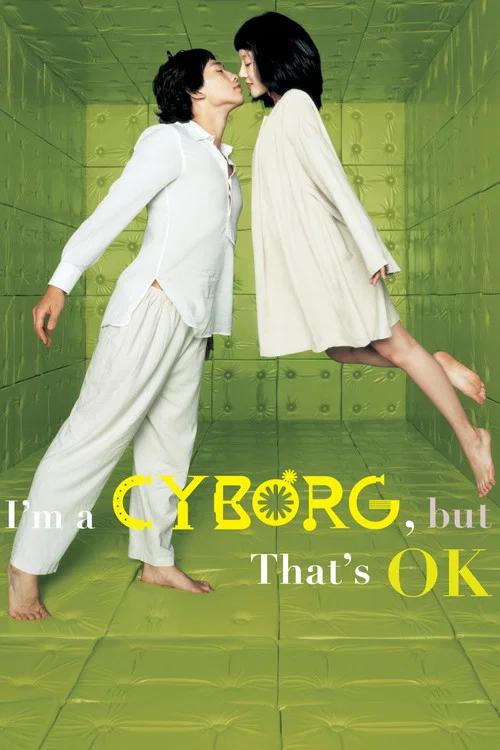
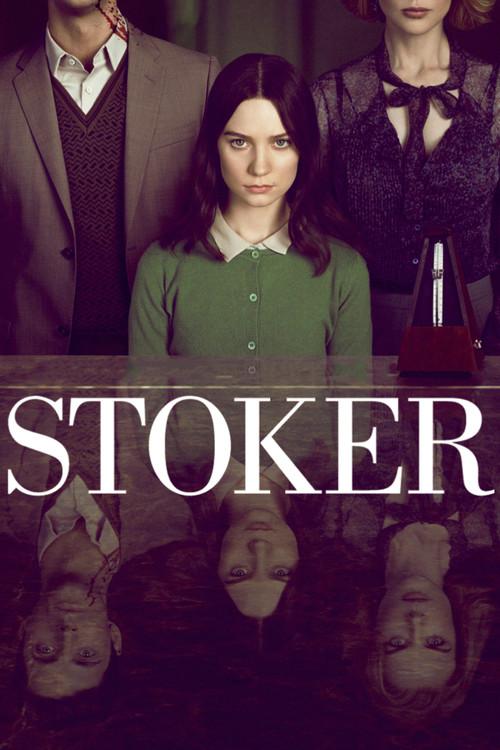
Park Chan-wook directed Thirst, released in 2009. CineCode also covers Joint Security Area (2000), Sympathy for Mr. Vengeance (2002), Oldboy (2003), Lady Vengeance (2005), I'm a Cyborg, But That's OK (2006), Stoker (2013).
What films are similar to Thirst?
Films that share techniques with Thirst include Hannibal (2001), Send Help (2026), Black Swan (2010), The Dark Knight (2008).