Comedy · Drama

The Royal Tenenbaums

Wes Anderson, 2001

The Tenenbaum family (3 former child prodigies and their lying father) are forced into a reunion when Royal Tenenbaum claims he is dying. This is Wes Anderson's most emotionally complex film. It is about the damage parents do and the huge effort it takes to survive it.

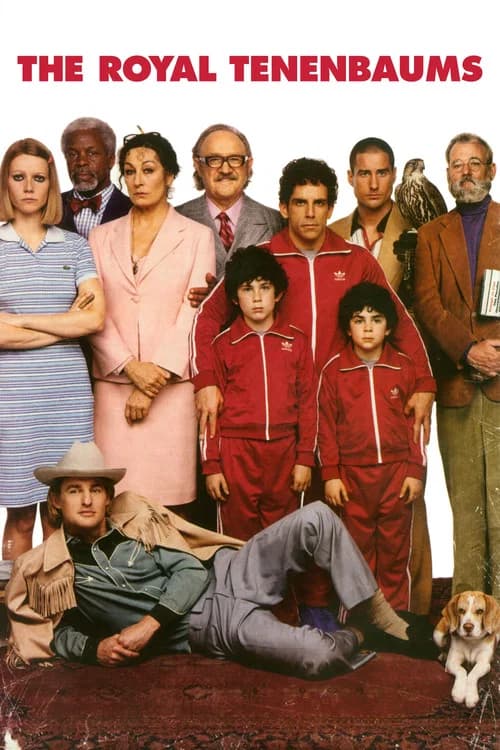
The Royal Tenenbaums (2001) poster

At a glance

The Royal Tenenbaums is a 2001 comedy and drama film directed by Wes Anderson. This breakdown covers 5 techniques (1 cinematography, 3 narrative and 1 sound), each with the scene where you can see it. If you like how it is made, The Grand Budapest Hotel uses several of the same techniques.

Cinematography

One-Point Perspective

Framing a shot so every line in it runs toward 1 point in the center. The picture looks perfectly symmetrical, which can feel hypnotic, stagey or oppressive.

How this film uses it

Anderson's signature shots are symmetrical, with everything lined up toward the center of the frame (the Tenenbaum house hallways, the elevator, the tent in the backyard). They turn the home into a museum of people who stopped growing up. It looks as if nothing has been allowed to move.

Where to see it

The shot of Chas and his sons standing in the hallway in matching red tracksuits. They are framed like a portrait they've been trapped inside.

Narrative

Retrospective Voiceover

Having a narrator tell the story from some point after it happened. The events feel like memory, and you sense early on that something will be lost.

How this film uses it

Alec Baldwin's all-knowing narrator reads from 'The Royal Tenenbaums' as though the film is a novel. That makes the story feel like a family legend, told from the distance of something already over.

Where to see it

The opening chapter-book framing. It tells you these lives have already been defined, catalogued and judged as failures before the film even begins.

Narrative

Deadpan Absurdism

Showing extreme, violent or surreal events while the characters react as if nothing unusual is happening. That mismatch is funny and unsettling at the same time.

How this film uses it

Every Tenenbaum family problem (suicide attempts, car crashes, incestuous longing) is delivered in Anderson's flat, museum-piece style. As a matter of fact, you can read the tragedy clearly because nobody ever acts it up.

Where to see it

Richie's suicide attempt. It is set to Elliott Smith's 'Needle in the Hay' and shot as neatly and carefully as every other scene.

Sound

Thematic Musical Identity

Giving each character, culture or place its own musical theme, and changing those themes as the story develops. The music tells you things the images and dialogue hold back.

How this film uses it

Each Tenenbaum sibling has their own kind of music, and so does their childhood friend Eli (Margot's Nico, Richie's 70s rock, Eli's country). The song choices track the family's emotional history more precisely than any dialogue.

Where to see it

Margot's arrival at the bus station in slow motion to Nico's 'These Days'. It is the most iconic musical moment in the film.

Narrative

Familial Dissolution Scene

Staging a single confrontation where a family visibly breaks apart. It is usually the emotional peak of a slow decline, and it shows how far apart the members really are.

How this film uses it

The Tenenbaum dinner is the first time the family is actually together. It shows that Royal has done so much damage that a real reunion is impossible. All they can manage is to act one out.

Where to see it

The family dinner where Royal's lie about dying is exposed. Every character's grief and rage comes out at the same time.

Questions

The Royal Tenenbaums: quick answers

What filmmaking techniques does The Royal Tenenbaums use?
CineCode breaks down 5 techniques in The Royal Tenenbaums (2001): One-Point Perspective, Retrospective Voiceover, Deadpan Absurdism, Thematic Musical Identity and Familial Dissolution Scene.
Who directed The Royal Tenenbaums?
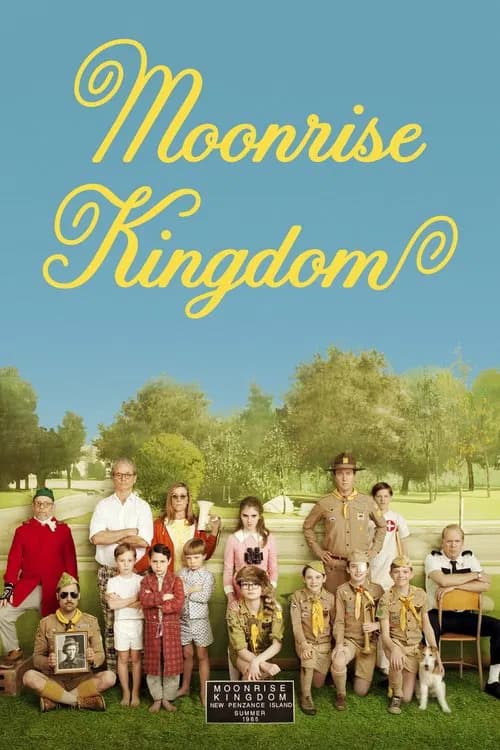
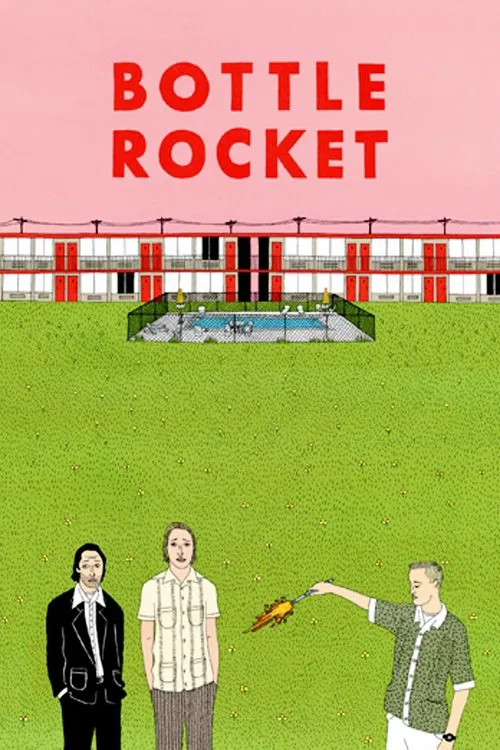
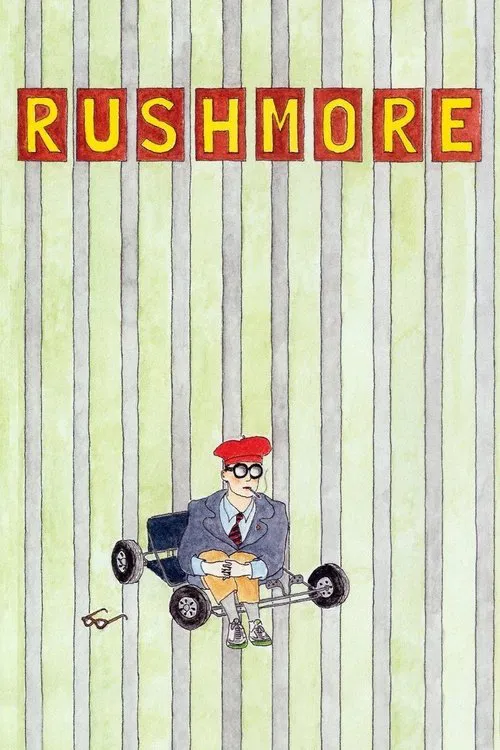
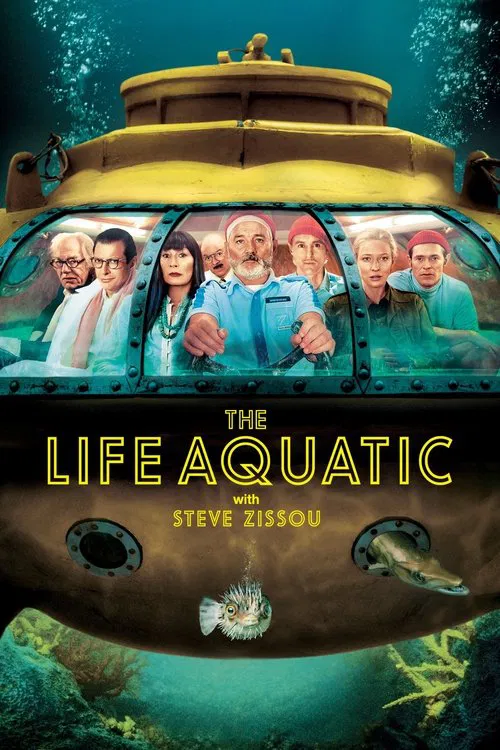
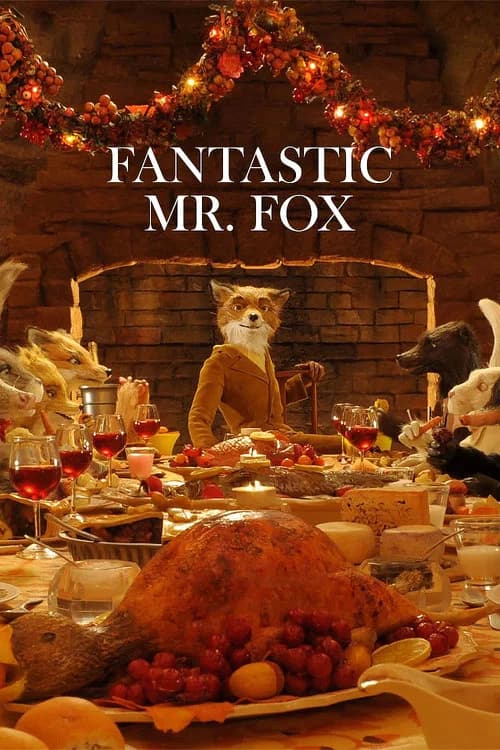
Wes Anderson directed The Royal Tenenbaums, released in 2001. CineCode also covers Bottle Rocket (1996), Rushmore (1998), The Life Aquatic with Steve Zissou (2004), The Darjeeling Limited (2007), Fantastic Mr. Fox (2009), Moonrise Kingdom (2012).
What films are similar to The Royal Tenenbaums?
Films that share techniques with The Royal Tenenbaums include The Grand Budapest Hotel (2014), Barry Lyndon (1975), Moonrise Kingdom (2012), Raising Arizona (1987).