Everything lined up on the center
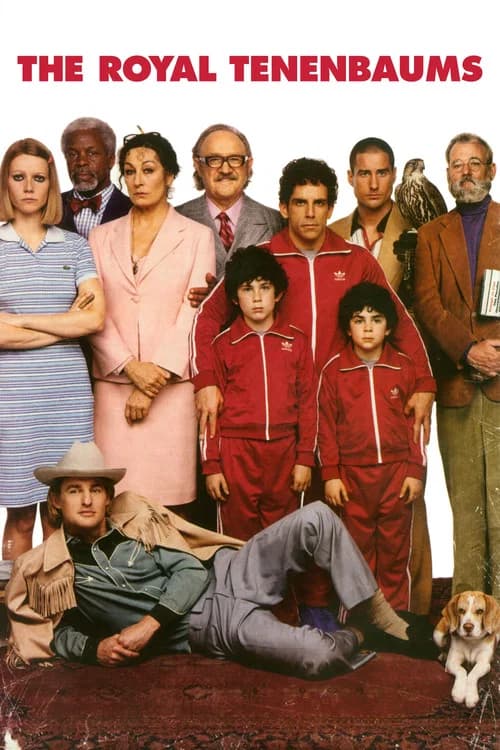
Anderson frames a lot of shots as if one viewer sat exactly in the middle of the room. The Royal Tenenbaums (2001) shows what that does to a house. Chas and his sons stand in a hallway in matching red tracksuits, and the shot looks like a portrait they're stuck inside. The home turns into a museum of people who stopped growing up.
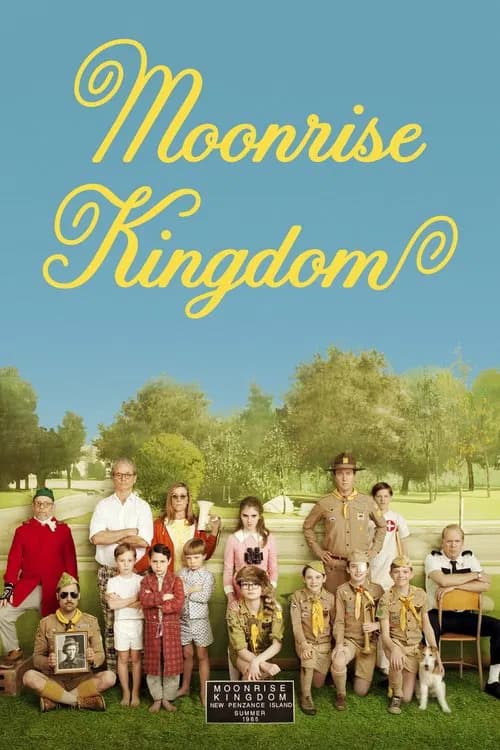
Moonrise Kingdom (2012) uses the same framing for a different feeling. Scout Master Ward's tent is shot in perfect symmetry, so a messy troop looks orderly. That order matches what the two runaway kids want, which is a world with clear rules they made up themselves.
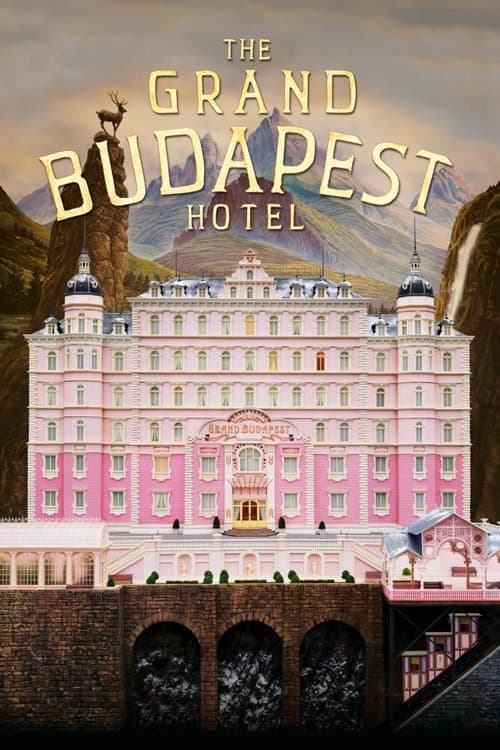
In The Grand Budapest Hotel (2014), the cable cars and cell blocks get the same treatment. Every place feels like a stage and every actor looks placed on it.
Disaster, delivered politely
The comedy comes from how calm everyone is. In Moonrise Kingdom, two 12-year-olds run away and the town answers with police helicopters, court orders and Social Services. It plays like a military operation. Then the storm arrives and the danger is real. It hits harder because the tidy style always insisted nothing could go wrong.
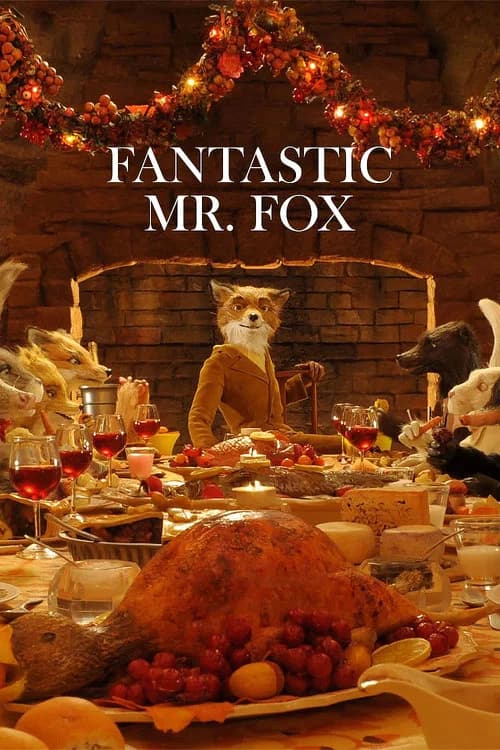
Fantastic Mr. Fox (2009) does the same with chickens. The foxes and the farmers fight a war with maps and sieges, and in the war council scene Mr. Fox and Badger plan a campaign around a table.
In The Grand Budapest Hotel, Gustave treats prison like a hotel check-in and organizes the other prisoners as if they were guests. In The Royal Tenenbaums, Richie's suicide attempt plays to an Elliott Smith song and is shot as neatly as every other scene. As a matter of fact, that flatness is why you feel it. Nobody acts the tragedy up, so you can see it clearly.
Worlds built to be lived in
Anderson likes sets you could walk into. Fantastic Mr. Fox was built entirely in miniature, down to the clutter in each burrow room and the furniture the foxes use. The autumn colors, amber and rust and gold, make one consistent countryside. It feels like a real place, which is fairly rare for an animated film.
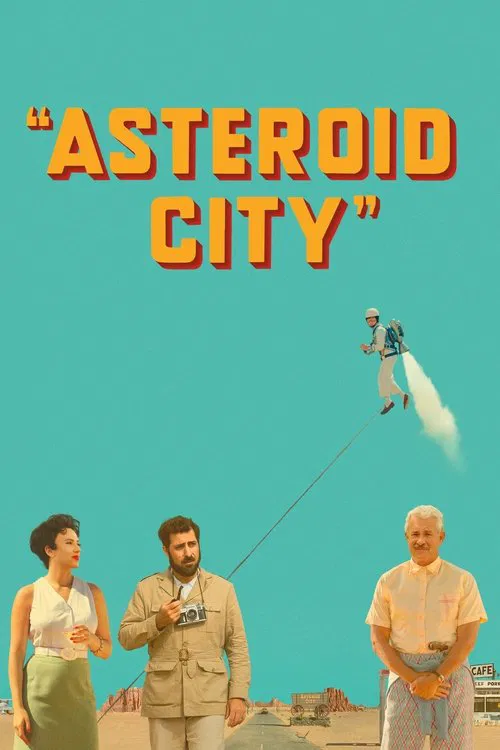
Asteroid City (2023) builds its desert town as a large diorama in Chinchon, Spain. It has a train station, a diner, a garage and an observatory. The town feels complete, and it still looks like a model.
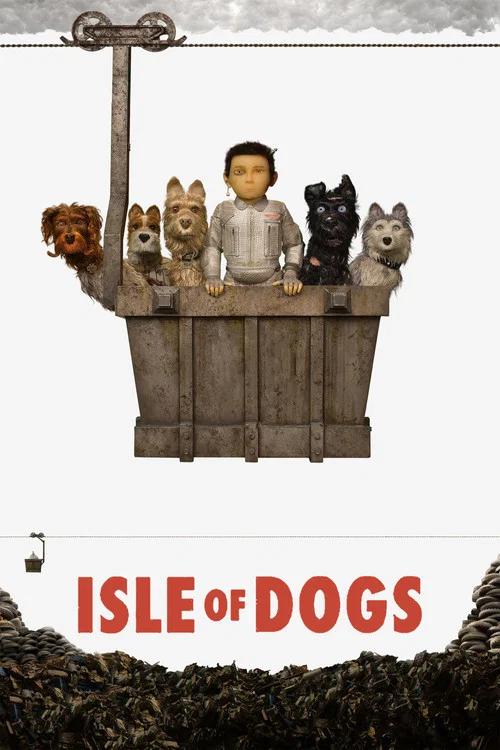
Isle of Dogs (2018) goes furthest on handmade work. The film used about 1,105 puppets for the main characters and around 20,000 faces, with very little CG. You can see the texture in the fur and the expressions.
The stop-motion look also works for feeling. In Mr. Fox's speech about what they are, the puppet faces can't reach a human actor's range, and that limit becomes the point.
Stories inside stories
Anderson rarely tells a story straight. The Grand Budapest Hotel opens with a girl at an author's grave. The book is by the Author, who remembers old Zero, who tells the story of Gustave. That is 4 layers before the hotel shows up, and each layer loses a little of what happened. The frame also changes shape with the era: 1.37:1 for the 1930s, 2.35:1 for the 1960s and 1.85:1 for the 1980s and today.
Asteroid City splits in two. A black-and-white documentary at a 4:3 shape shows how a play was made, and the play itself is widescreen and colorful. The documentary ends on 'You can't wake up if you don't fall asleep', which connects back to the alien in the play.
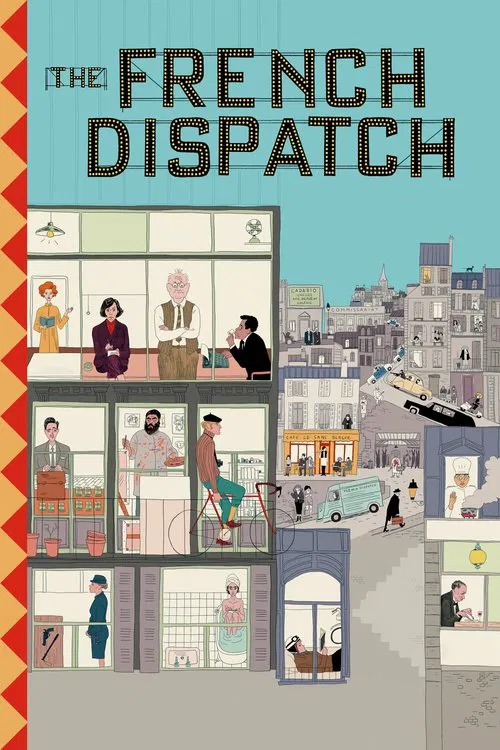
The French Dispatch (2021) is a magazine issue. Each article gets its own mood, most of it is in black and white, and color shows up like punctuation. The kidnapping chase turns into animation, so the action gets looser than live action would allow.
Songs doing the talking
Anderson lets music carry scenes where nobody says anything. In The Royal Tenenbaums, each sibling has their own kind of music, and Margot arriving at the bus station in slow motion to Nico's 'These Days' is probably the most remembered moment in the film.
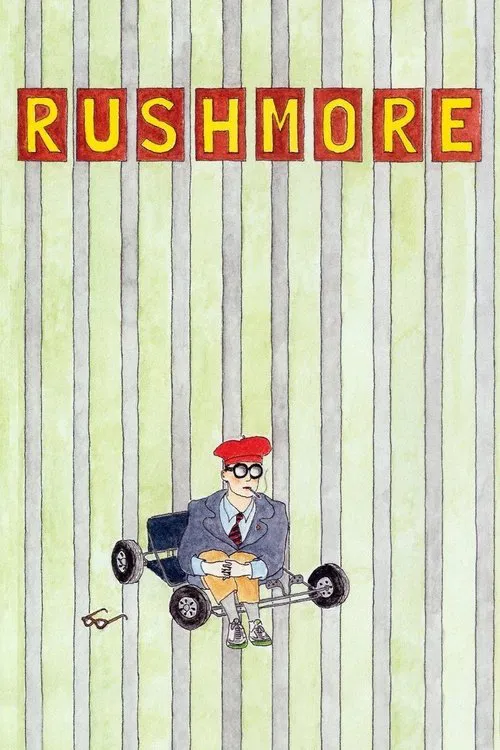
Rushmore (1998) is mostly British Invasion songs. While Blume sits miserably at his kids' birthday party, a Kinks song plays, and a nearly wordless scene gets its feeling from it.
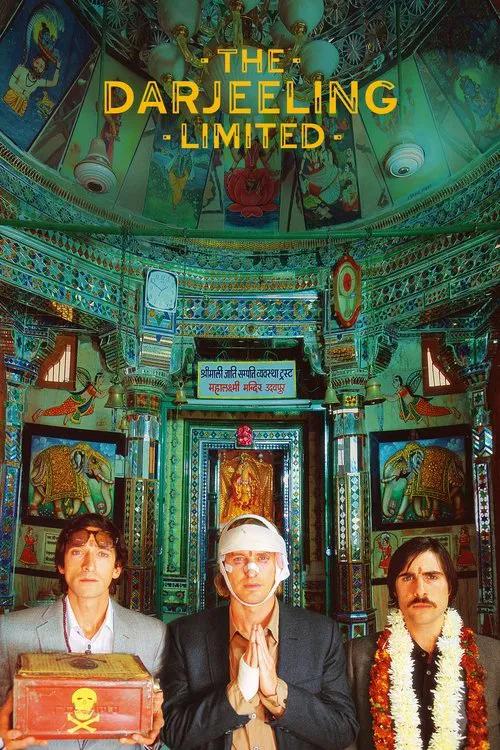
The Darjeeling Limited (2007) mixes the Kinks and the Rolling Stones with film scores borrowed from Satyajit Ray and Merchant Ivory movies. The borrowed music puts you in India through the eyes of someone who loves its cinema.
Isle of Dogs builds its Japan the same way, with taiko drums and music taken from Kurosawa films such as Seven Samurai.
Grief under the jokes
Underneath the neat surface, these films are often about loss. The Darjeeling Limited starts with a man running for a train. He misses it, and Peter catches it. At the end the brothers run for a second train, and this time they drop their father's luggage as they go. The bags were the grief they'd been carrying across India, and the repeated run shows what changed.
It also uses a flashback well. At the funeral of the boy Peter couldn't save, the film cuts to their father's funeral, and nobody has to say what they're feeling.
The Royal Tenenbaums puts the damage at the dinner table. When Royal's lie about dying comes out, every character's grief and rage land at once. It shows that a real reunion is impossible, and the most they can do is act one out.
How to use this when you watch
Next time you watch an Anderson film, check 2 things. What is sitting in the exact center of the frame, and how loudly is anyone reacting to what's going wrong? The more polite the scene, the more it usually costs somebody, and that gap is pretty much where the feeling comes from.
More guides
- Film Noir Lighting Explained: 8 Films That Nail It
- How Directors Build Suspense: 8 Films That Show You How
- Unreliable Narrator Movies Explained: 9 Films That Fool You
- Non-Linear Movies Explained: 8 Films Told Out of Order
- Long Takes and Oners Explained: 9 Famous One-Shot Scenes
- How Color Tells the Story: 9 Films With Meaningful Palettes