Comedy · Drama · Romance

Rushmore

Wes Anderson, 1998

Max Fischer is a scholarship student at Rushmore Academy who is busy with clubs and bad at class. He befriends rich industrialist Herman Blume, and both fall for a first-grade teacher named Rosemary Cross. Watch how Wes Anderson turns school plays and petty revenge into a stage the whole film plays on.

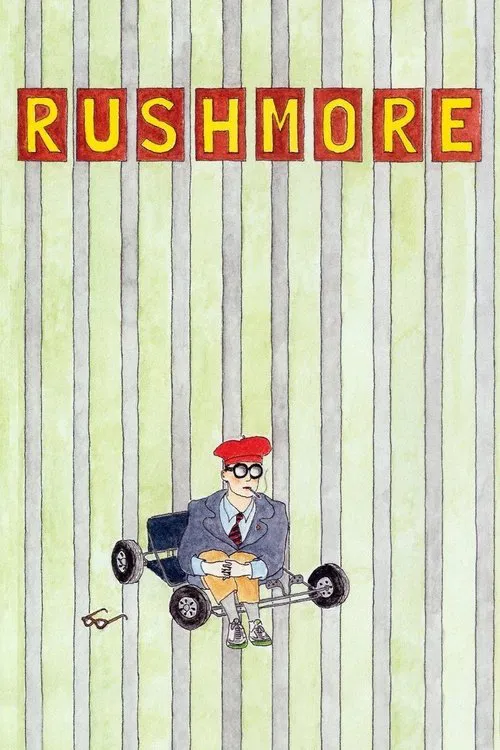
Rushmore (1998) poster

At a glance

Rushmore is a 1998 comedy, drama and romance film directed by Wes Anderson. This breakdown covers 5 techniques (3 narrative, 1 cinematography and 1 sound), each with the scene where you can see it. If you like how it is made, Stolen Kisses uses several of the same techniques.

Narrative

Odd Couple Class Structure

Pairing characters from opposite social worlds who find each other strange. Their friction produces the comedy, and what they learn from each other produces the emotion.

How this film uses it

Max is a scholarship kid and Herman Blume is a wealthy industrialist, yet they become friends. Each finds the other strange and a little thrilling. When both fall for Rosemary, the friendship turns into a feud that feels petty and sad at once.

Where to see it

The hospital meeting: Max and Blume meet at the hospital where headmaster Guggenheim is recovering from a stroke, after their feud has cooled.

Narrative

Deadpan Absurdism

Showing extreme, violent or surreal events while the characters react as if nothing unusual is happening. That mismatch is funny and unsettling at the same time.

How this film uses it

Max plans an aquarium on the baseball field and talks about it like any other school project. The adults answer with the same straight face. The film never winks, so a teenager's huge schemes land as both silly and sincere.

Where to see it

The aquarium: Max's plan to build an aquarium on the baseball field gets him expelled from Rushmore.

Narrative

Autobiographical Distance

Drawing on the filmmaker's own life but keeping it at arm's length, often through a fictional stand-in. The result is precise and unsentimental, and it can question how memory flatters us.

How this film uses it

Anderson and co-writer Owen Wilson drew on their own school years. Wilson was expelled from St. Mark's School of Texas, and Anderson's own school, St. John's, served as Rushmore Academy. The film keeps that memory at arm's length by giving it to a boy who is oddly sure of himself.

Where to see it

Rushmore Academy: Max is a scholarship student who runs many activities and struggles in class.

Cinematography

Theatrical Staging

Borrowing stage conventions such as curtains, masks, bare sets and ritual movement. Scenes become formal and life starts to look like a performance.

How this film uses it

Anderson often uses a stage or stage curtains to frame the action, and Max's own school plays sit inside the film. For his Vietnam play he buys dynamite and explosives and warns the audience about safety glasses and earplugs under their seats. A boy treats his life like a production, and the camera plays along.

Where to see it

Heaven and Hell: At Grover Cleveland High School, Max stages a Vietnam War play with explosives that moves Blume and appears to reconcile him with Rosemary.

Sound

Pop Music Needle Drop

Playing an existing popular song at a precise moment in the film. The song's lyrics, era and associations add irony, period feel or emotion that an original score could not.

How this film uses it

The soundtrack is mostly British Invasion songs. Anderson first planned to use only Kinks songs, and 1 made the final film. 'Nothin' in the World Can Stop Me Worryin' 'Bout That Girl' plays while Blume sits miserably at a children's party. A mostly wordless scene gets its feeling from a song.

Where to see it

Herman's kids' birthday party: Blume sits miserably at a birthday party while the Kinks song plays.

Questions

Rushmore: quick answers

What filmmaking techniques does Rushmore use?
CineCode breaks down 5 techniques in Rushmore (1998): Odd Couple Class Structure, Deadpan Absurdism, Autobiographical Distance, Theatrical Staging and Pop Music Needle Drop.
Who directed Rushmore?
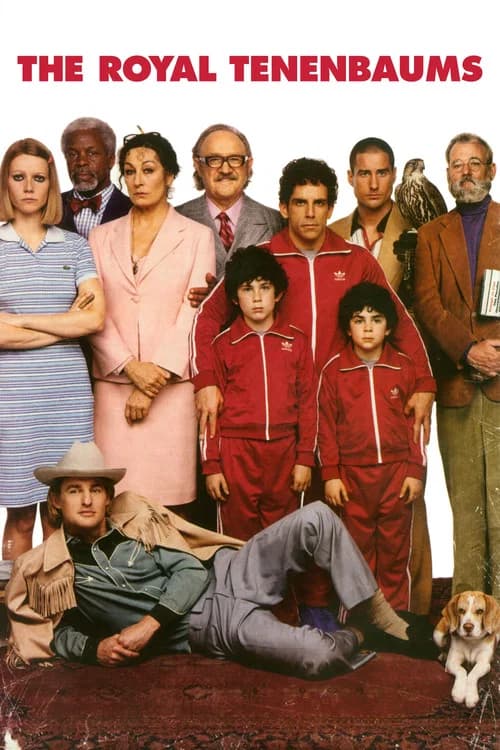
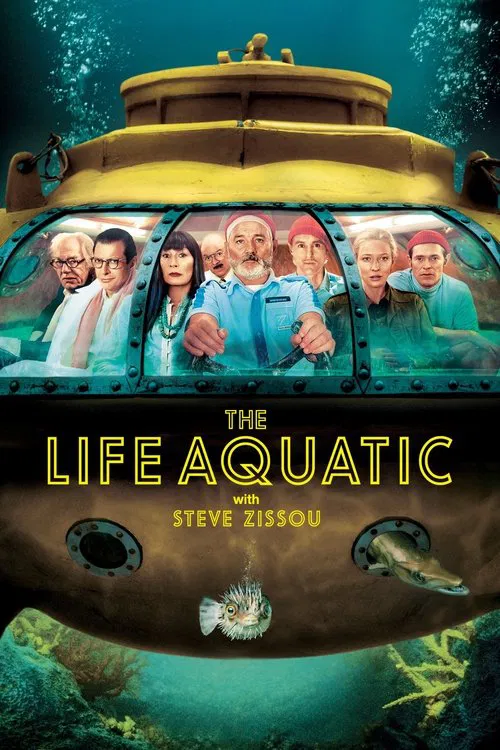
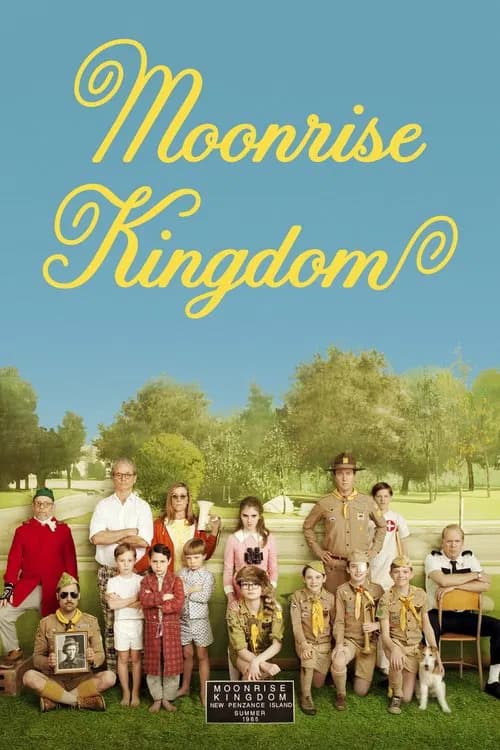
Wes Anderson directed Rushmore, released in 1998. CineCode also covers Bottle Rocket (1996), The Royal Tenenbaums (2001), The Life Aquatic with Steve Zissou (2004), The Darjeeling Limited (2007), Fantastic Mr. Fox (2009), Moonrise Kingdom (2012).
What films are similar to Rushmore?
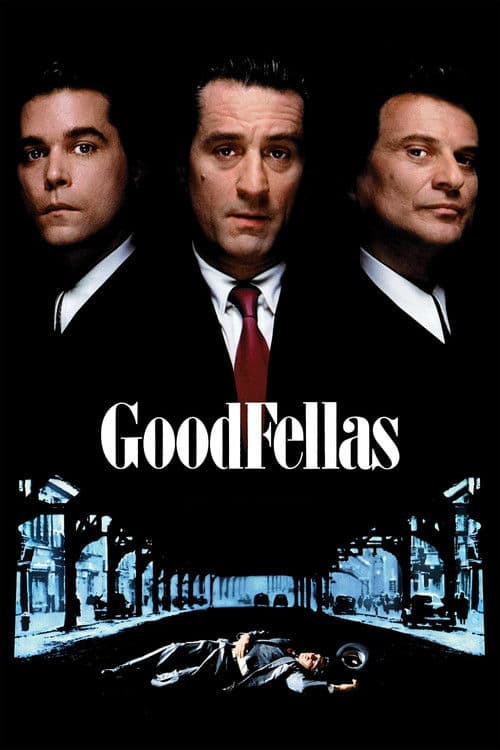
Films that share techniques with Rushmore include Stolen Kisses (1968), Everybody Wants Some!! (2016), Bugonia (2025), Goodfellas (1990).