Drama · Comedy

Lolita

Stanley Kubrick, 1962

Humbert Humbert, a middle-aged professor, becomes obsessed with a young girl named Dolores, nicknamed Lolita. The film opens with him killing another man, then tells the story that led there. It is a case study in how censorship rules pushed a director to suggest what he couldn't show.

Lolita (1962) poster

At a glance

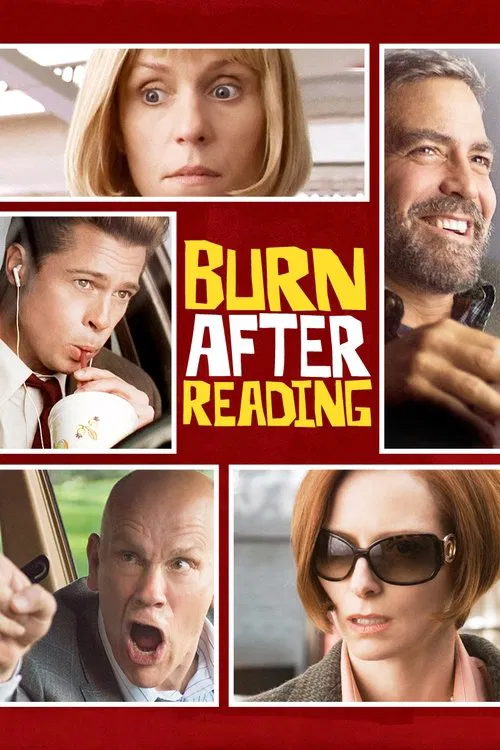
Lolita is a 1962 drama and comedy film directed by Stanley Kubrick. This breakdown covers 4 techniques (3 narrative and 1 sound), each with the scene where you can see it. If you like how it is made, Burn After Reading uses several of the same techniques.

Narrative

Proleptic Opening

Starting the film by showing or telling you how it ends, such as the main character's death or defeat. The rest of the story then explains how things got there.

How this film uses it

Kubrick put the novel's ending at the start, with the author's consent. You watch Humbert confront Clare Quilty at gunpoint before you know why. The rest of the film explains how he got there.

Where to see it

The opening scene at Quilty's mansion. Humbert aims a gun at a drunk Quilty, and then shoots him.
Narrative

Deadpan Absurdism

Showing extreme, violent or surreal events while the characters react as if nothing unusual is happening. That mismatch is funny and unsettling at the same time.

How this film uses it

Quilty is meant to be facing death, but he keeps making jokes and strange offers. The shooting is serious and the dialogue is silly. That mismatch is funny and unsettling at once.

Where to see it

The opening confrontation. Quilty dodges with bizarre offers while Humbert holds the gun on him.

Narrative

Implication Under Censorship

Using dialogue, glances and cutaways to hint at what the censors would not allow on screen. You fill in the gap yourself.

How this film uses it

The Hays Code, a set of Hollywood rules, led Kubrick and producer James B. Harris to tone down the novel's disturbing elements. Lolita's age is left vague. The film suggests the relationship, and you have to fill in what isn't shown.

Where to see it

Humbert's scenes with Dolores at the Haze house. The film hints at his desire without spelling it out.

Sound

Pastiche Score

Writing music that imitates an older style, such as the lush themes of classic romances. The familiar sound sets up an ironic or uneasy contrast with what you see.

How this film uses it

Nelson Riddle and Bob Harris wrote music that sounds like the themes of old Hollywood romances. The sweet, glossy sound runs against what is happening on screen. The recurring dance number heard on the radio later became a single, 'Lolita Ya Ya'.

Where to see it

The main theme over the story. It sounds like a standard romance theme while the story gets darker.

Questions

Lolita: quick answers

What filmmaking techniques does Lolita use?
CineCode breaks down 4 techniques in Lolita (1962): Proleptic Opening, Deadpan Absurdism, Implication Under Censorship and Pastiche Score.
Who directed Lolita?
Stanley Kubrick directed Lolita, released in 1962. CineCode also covers Fear and Desire (1953), Killer's Kiss (1955), The Killing (1956), Paths of Glory (1957), Spartacus (1960), Dr. Strangelove (1964).
What films are similar to Lolita?
Films that share techniques with Lolita include Burn After Reading (2008), Bugonia (2025), Grave of the Fireflies (1988), Ikiru (1952).