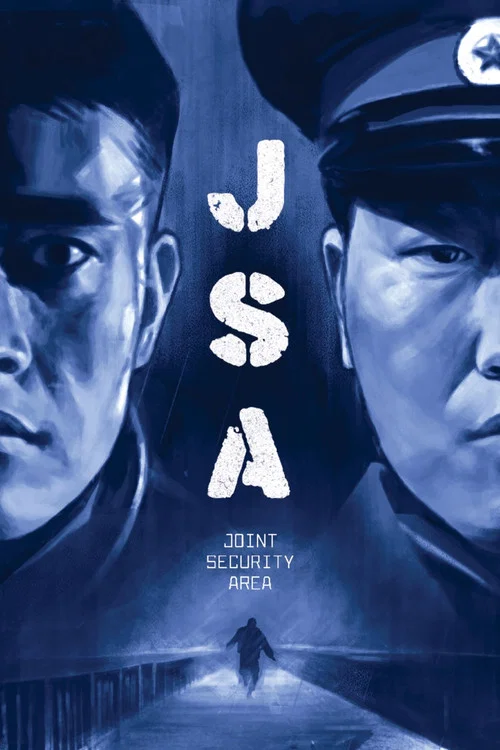
Mystery · Drama · War

Joint Security Area

Park Chan-wook, 2000

After a shooting at the border between North and South Korea, a Swiss army major investigates two soldiers' conflicting stories. The truth turns out to be a friendship that crossed the line. It's the film that made Park famous in Korea. Watch how it uses flashbacks to rebuild what happened.

Joint Security Area (2000) poster

At a glance

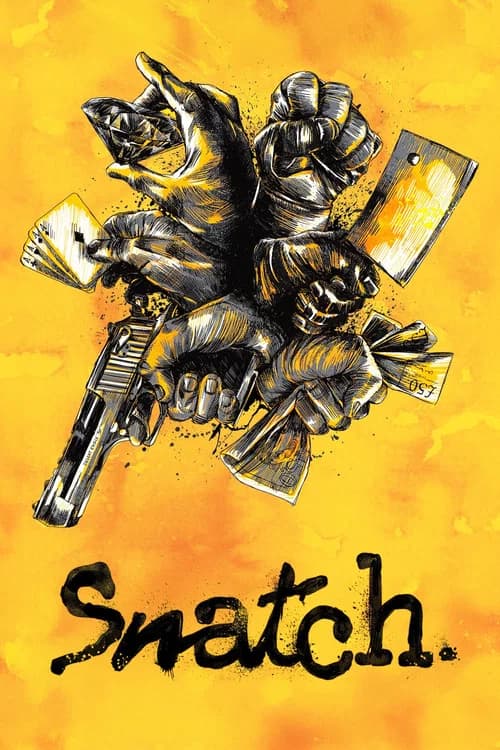
Joint Security Area is a 2000 mystery, drama and war film directed by Park Chan-wook. This breakdown covers 5 techniques (3 narrative, 1 psychology and 1 editing), each with the scene where you can see it. If you like how it is made, Snatch uses several of the same techniques.

Narrative

Non-Linear Narrative

Telling the story out of order by jumping between time periods. The order you see events in changes how you understand them.

How this film uses it

The present-day investigation is cut with flashbacks of the soldiers' friendship. You learn the truth in pieces, at the same speed as the investigator. The order of the scenes decides how you feel about each lie.

Where to see it

The flashbacks to the night at the northern guard house. They answer questions the interviews left open.
Narrative

Forensic Inference Narration

Revealing character and motive through physical evidence and a detective's step-by-step reasoning, with no confessions or backstory dumps. You piece together the truth alongside the investigator.

How this film uses it

Major Sophie Jean reads the autopsies and the bullets. Woo-jin was shot eight times, and one bullet is unaccounted for. She works out that the survivors were close friends who are protecting each other.

Where to see it

The autopsy and bullet findings. The number of wounds and the missing bullet point to something personal and not a simple border clash.

Psychology

Protective Fiction

Having a character invent and keep up a false version of reality to shield someone they love, or themselves, from a truth too painful to bear. The lie is a way to survive.

How this film uses it

Both sides invent a story to shield the people they care about. After the shooting, Kyeong-pil arranges a false kidnapping account and destroys proof of the friendship. The lie keeps the survivors alive, and it also traps them in it.

Where to see it

The cover story after the shooting. Soo-hyeok shoots Kyeong-pil in the shoulder to complete the kidnapping alibi.

Narrative

Spatial Metaphor

Using physical places, like buildings, geography or how high up someone lives, to show something you can't see directly, such as a character's class or state of mind.

How this film uses it

The Bridge of No Return and the border line stand for the divide between the two Koreas. The friends cross it in secret, and the film shows what happens when people step over a line they were told not to cross.

Where to see it

The soldiers passing notes across the bridge. A small written message goes over the border and starts the friendship.

Editing

Freeze Frame Punctuation

Stopping the picture on a single still frame for a moment. It works like punctuation to introduce a character, underline a joke or mark a turning point.

How this film uses it

The last image is a photograph taken by a tourist that shows all four soldiers together. You know what happens to them, so the happy faces hurt. It gives the whole film a quiet, painful rewind.

Where to see it

The closing photograph. The four soldiers stand side by side in a picture taken before the shooting.

Questions

Joint Security Area: quick answers

What filmmaking techniques does Joint Security Area use?
CineCode breaks down 5 techniques in Joint Security Area (2000): Non-Linear Narrative, Forensic Inference Narration, Protective Fiction, Spatial Metaphor and Freeze Frame Punctuation.
Who directed Joint Security Area?
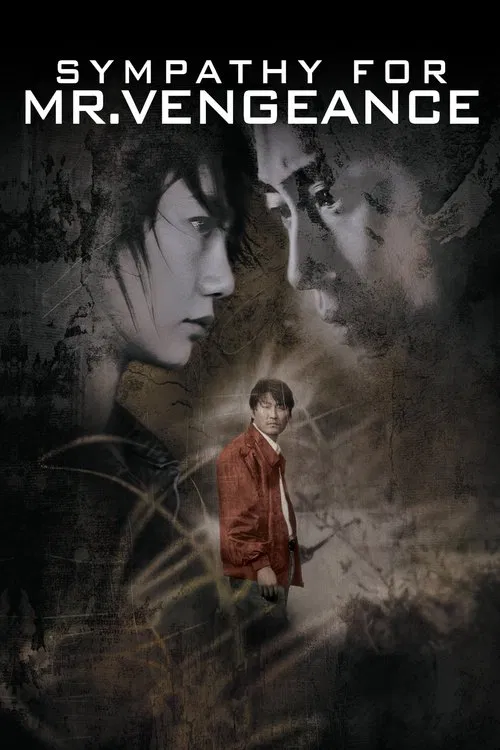
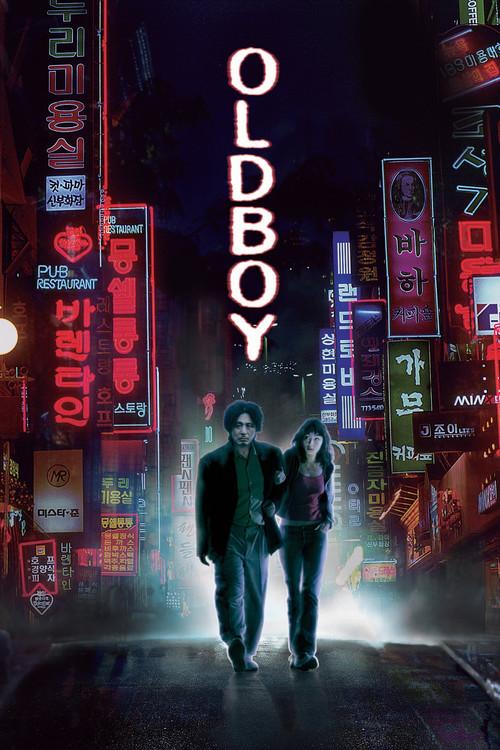
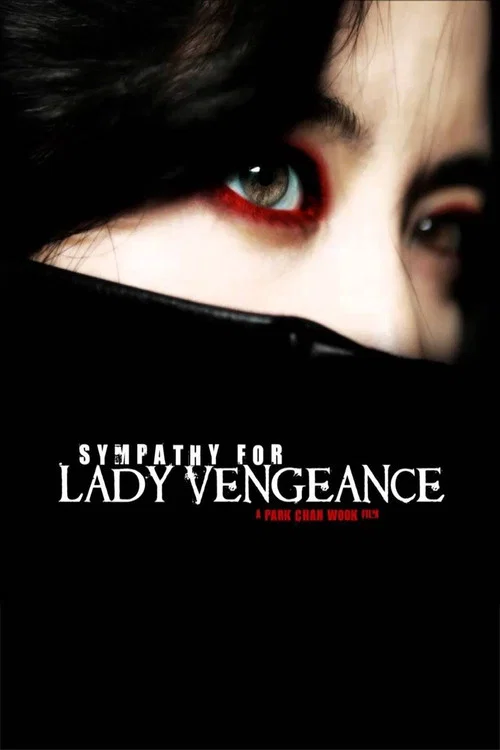
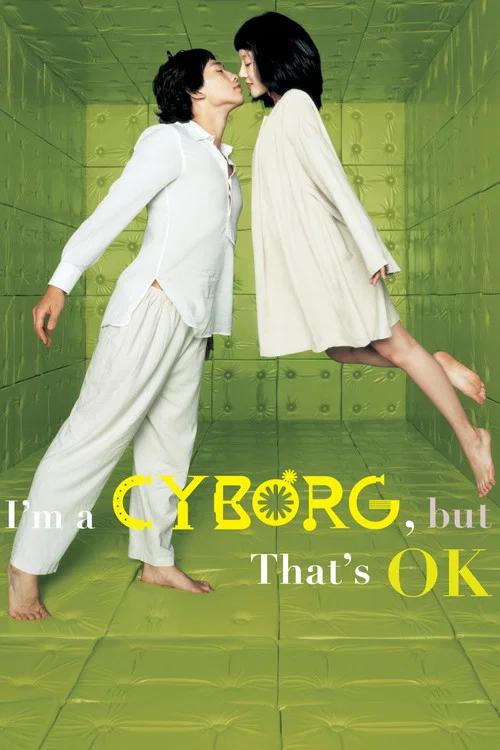
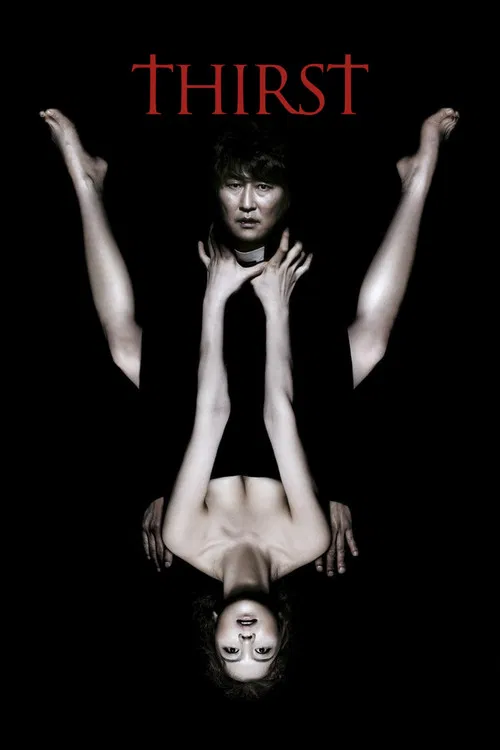
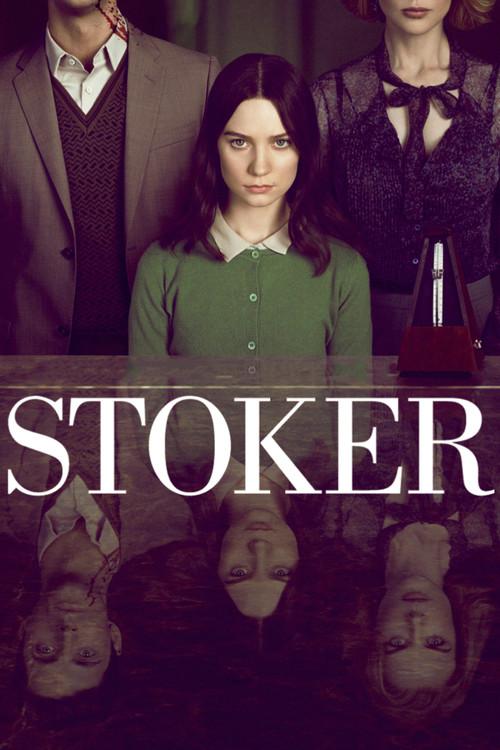
Park Chan-wook directed Joint Security Area, released in 2000. CineCode also covers Sympathy for Mr. Vengeance (2002), Oldboy (2003), Lady Vengeance (2005), I'm a Cyborg, But That's OK (2006), Thirst (2009), Stoker (2013).
What films are similar to Joint Security Area?
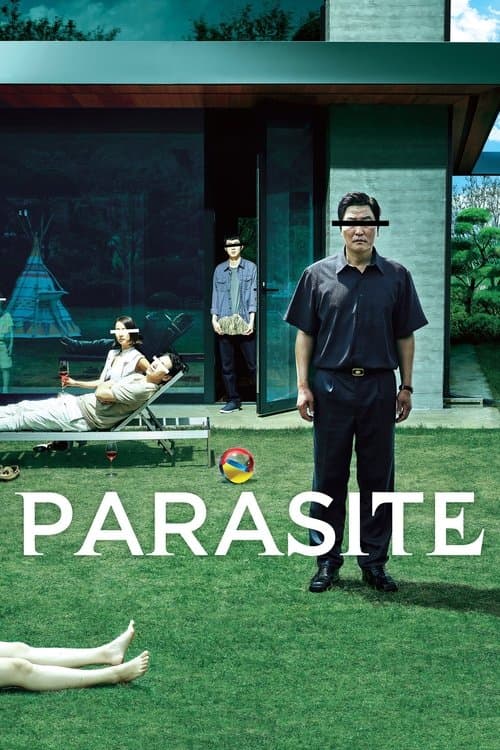
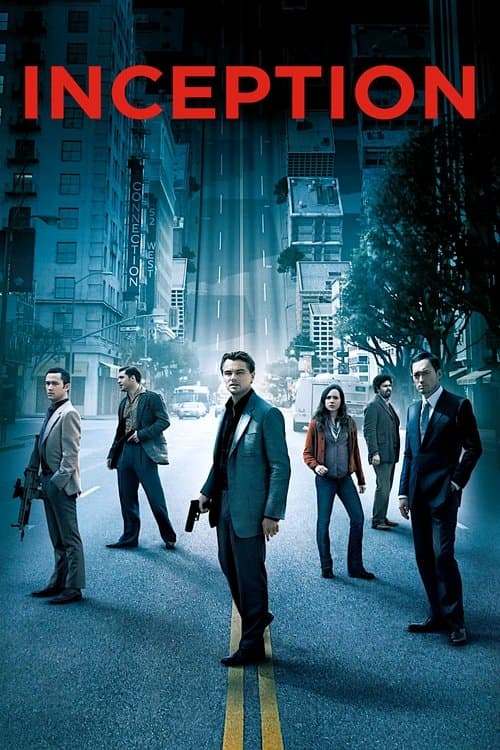
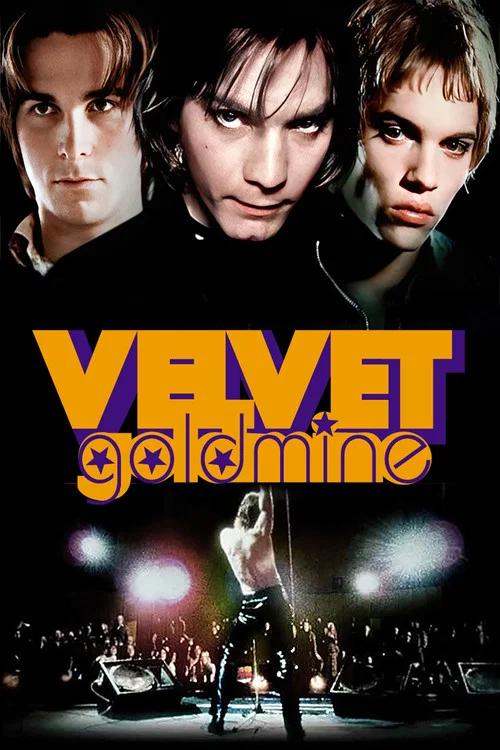
Films that share techniques with Joint Security Area include Snatch (2000), Velvet Goldmine (1998), Parasite (2019), Inception (2010).