Crime · Thriller · Drama

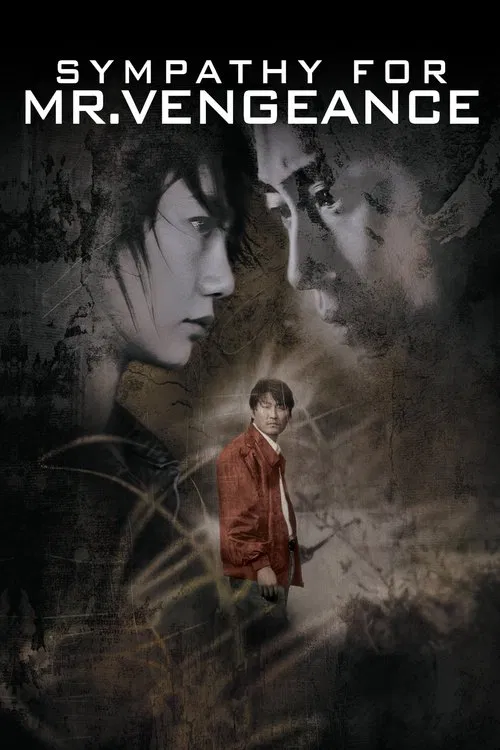
Sympathy for Mr. Vengeance

Park Chan-wook, 2002

A deaf factory worker kidnaps a rich man's daughter to pay for his sister's kidney, and a string of terrible accidents follows. It is the first film in Park's Vengeance trilogy. Watch how the camera stays calm while every character keeps making things worse.

Sympathy for Mr. Vengeance (2002) poster

At a glance

Sympathy for Mr. Vengeance is a 2002 crime, thriller and drama film directed by Park Chan-wook. This breakdown covers 4 techniques (3 narrative and 1 cinematography), each with the scene where you can see it. If you like how it is made, The Virgin Spring uses several of the same techniques.

Narrative

Triangulated Moral Ambiguity

Spreading good and bad qualities across 3 or more characters, where most stories use 2 sides. Nobody is purely the hero or the villain, so you can't easily pick who to root for.

How this film uses it

Ryu wants to save his sister, Dong-jin wants to avenge his daughter, and Yeong-mi believes in her cause. Each is sympathetic and each does something terrible. You can't pick one person to root for.

Where to see it

The scene where Ryu's group chooses Yu-sun as their target. After a former employee tries to kill himself in front of them, they take Dong-jin's daughter instead.
Narrative

Revenge Consequences

Tracing revenge across its aftermath, showing how vengeance repeats or leaves the avenger empty instead of delivering satisfaction.

How this film uses it

Ryu kills the organ dealers who robbed him. Dong-jin then hunts Ryu, and Yeong-mi's friends finally turn on Dong-jin. Each revenge creates the next one, and nobody ends the film with anything.

Where to see it

The riverside killing. Dong-jin drags Ryu into the river and cuts his tendons, and the chain of revenge keeps going afterward.

Narrative

Dramatic Irony

Letting the audience know something a character doesn't. You watch them act without that knowledge, which creates suspense, dread or dark comedy.

How this film uses it

Ryu is deaf, so he cannot hear when Yu-sun slips into the river while he buries his sister. You watch the girl fall in and he does not. The gap between what you know and what he knows is awful to sit through.

Where to see it

The riverbed burial and drowning. Ryu is busy with his sister's body while Yu-sun falls into the water behind him.

Cinematography

Locked-Off Camera

Fixing the camera in one position with no movement. What you learn comes only from what passes in front of it.

How this film uses it

Park shoots many scenes from a distance with careful, tidy framing. Critics praised the film's framing and its cool, clean look. The calm picture makes the violence feel like something happening in a plain room.

Where to see it

The drowning in the river. The wide view shows you that Ryu has no idea the girl has fallen in.

Questions

Sympathy for Mr. Vengeance: quick answers

What filmmaking techniques does Sympathy for Mr. Vengeance use?
CineCode breaks down 4 techniques in Sympathy for Mr. Vengeance (2002): Triangulated Moral Ambiguity, Revenge Consequences, Dramatic Irony and Locked-Off Camera.
Who directed Sympathy for Mr. Vengeance?
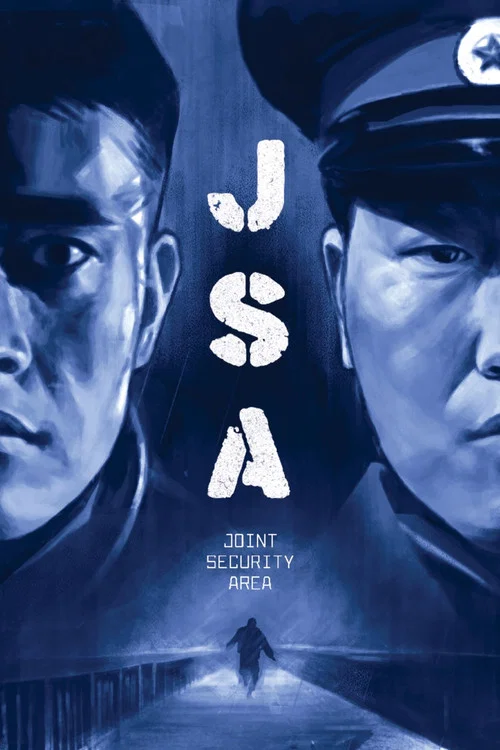
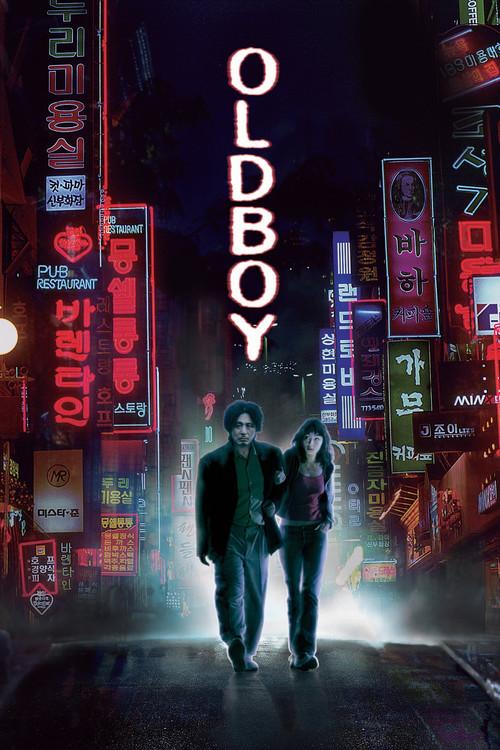
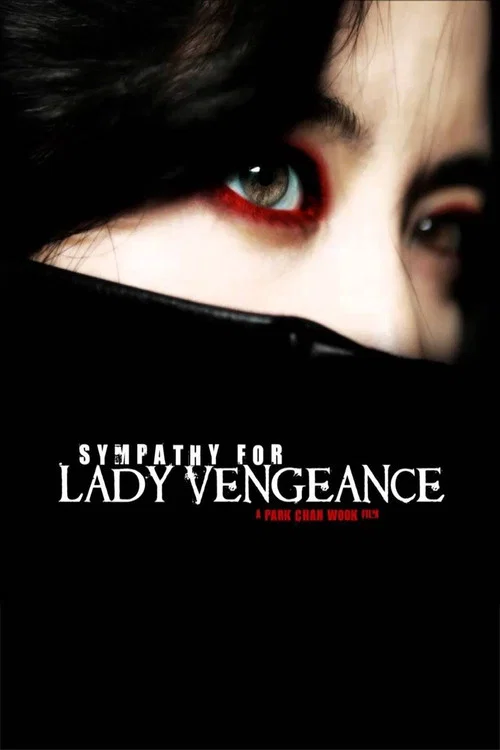
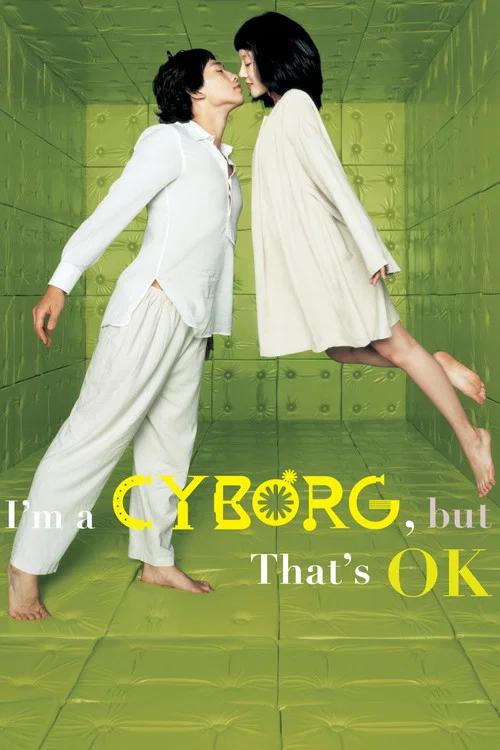
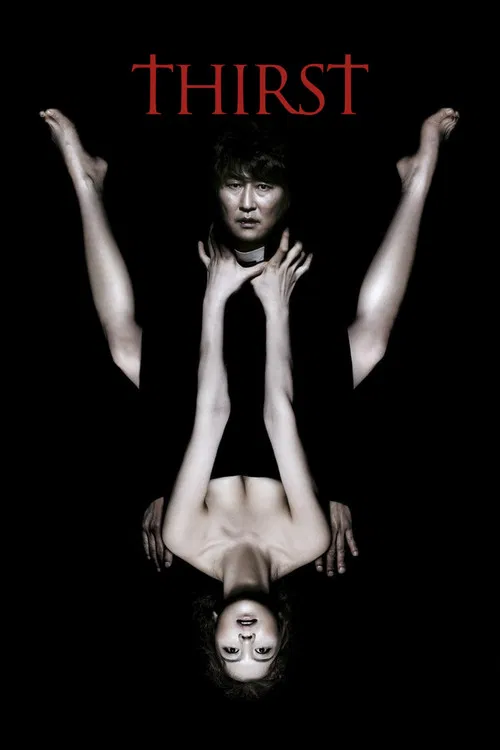
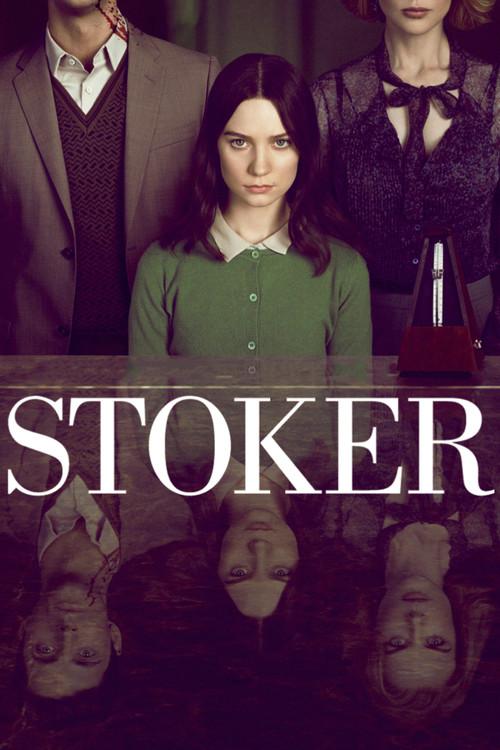
Park Chan-wook directed Sympathy for Mr. Vengeance, released in 2002. CineCode also covers Joint Security Area (2000), Oldboy (2003), Lady Vengeance (2005), I'm a Cyborg, But That's OK (2006), Thirst (2009), Stoker (2013).
What films are similar to Sympathy for Mr. Vengeance?
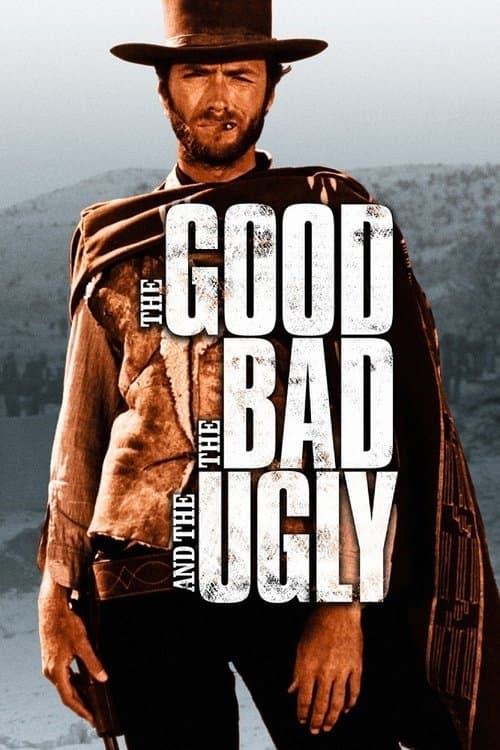
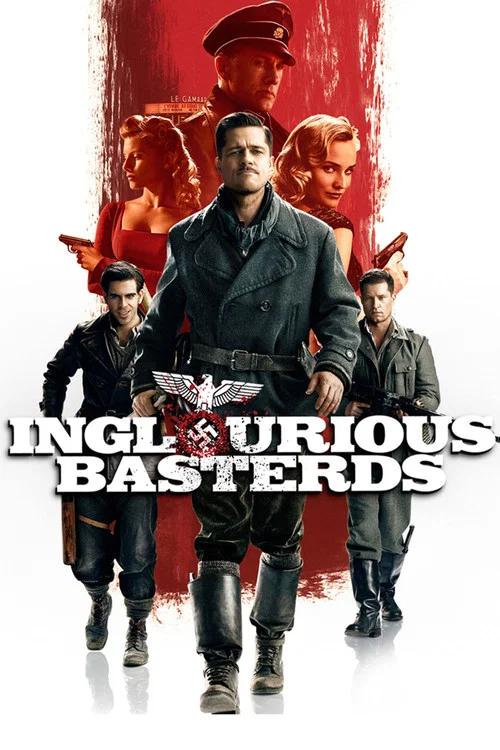
Films that share techniques with Sympathy for Mr. Vengeance include The Virgin Spring (1960), Get Out (2017), The Good, the Bad and the Ugly (1966), Inglourious Basterds (2009).