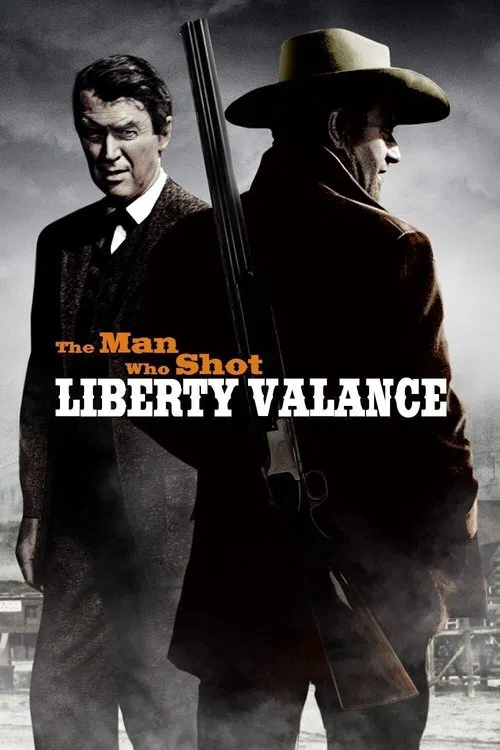
Senator Ransom Stoddard returns to the town of Shinbone for the funeral of a poor rancher, Tom Doniphon, and tells a reporter how he really became famous. It all goes back to a gunfight with an outlaw named Liberty Valance. Watch how the film treats the Old West as a story people choose to tell.
The Man Who Shot Liberty Valance is a 1962 western and drama film directed by John Ford. This breakdown covers 5 techniques (3 narrative, 1 cinematography and 1 sound), each with the scene where you can see it. If you like how it is made, Belfast uses several of the same techniques.
Framing the story as an old person's memory of events from decades ago. You know from the start how things ended, so even the happy memories carry some grief.
How this film uses it
Stoddard tells the story 25 years later, at Doniphon's funeral. You know from the opening how things ended, so the memories of Shinbone carry some regret.
Where to see it
The funeral: A reporter asks why a senator would attend a poor rancher's funeral, and Stoddard begins a long flashback.
Placing a second flashback inside the first so the main storyteller's version of events gets corrected by a deeper memory. The truth arrives from inside the story already told.
How this film uses it
Stoddard's story seems settled until Doniphon tells him what really happened at the showdown. That inner memory turns the legend of the gunfight into a lie that a friend let stand.
Where to see it
Convention confession: Doniphon reveals that he shot Valance from cover with Pompey's rifle at the same moment Stoddard fired.
Using a genre's familiar rules, like its heroes and its violence, to take those rules apart. The film turns your expectations into a political point the genre usually avoids.
How this film uses it
The Western usually rewards the man who shoots first. Here the man who wins is a lawyer with a law book, and the person who actually pulled the trigger disappears from history.
Where to see it
Printing the legend: The editor decides not to print the true story and burns the reporter's notes, saying that when the legend becomes fact, he will print the legend.
Choosing to shoot in black and white to take away the comfort and pleasure of color. The film feels more serious, and you watch as a witness.
How this film uses it
Ford shot a Western in black and white on soundstages, and the choice gives the film a grittier, less romantic look. Without the golden desert light, the story feels more like a moral argument than a postcard.
Where to see it
Valance's showdown: Stoddard goes after Valance, is disarmed, then retrieves his gun and kills him.
Using existing music from other films or well-known pieces as the soundtrack. The pieces bring their own history and a sense of place or emotion to the scene.
How this film uses it
Ford reused Alfred Newman's Ann Rutledge theme from an earlier film in scenes about Hallie's relationships with Doniphon and Stoddard. The tune carries its own history with it.
Where to see it
Hallie's two men: Hallie treats Stoddard's wounds while Doniphon watches, then Doniphon gets drunk and burns his own unfinished house.
Questions
The Man Who Shot Liberty Valance: quick answers
What filmmaking techniques does The Man Who Shot Liberty Valance use?
CineCode breaks down 5 techniques in The Man Who Shot Liberty Valance (1962): Elderly Frame Narrative, Flashback Within Flashback, Revisionist Genre Argument, Black-and-White as Moral Urgency and Borrowed Music.
Who directed The Man Who Shot Liberty Valance?
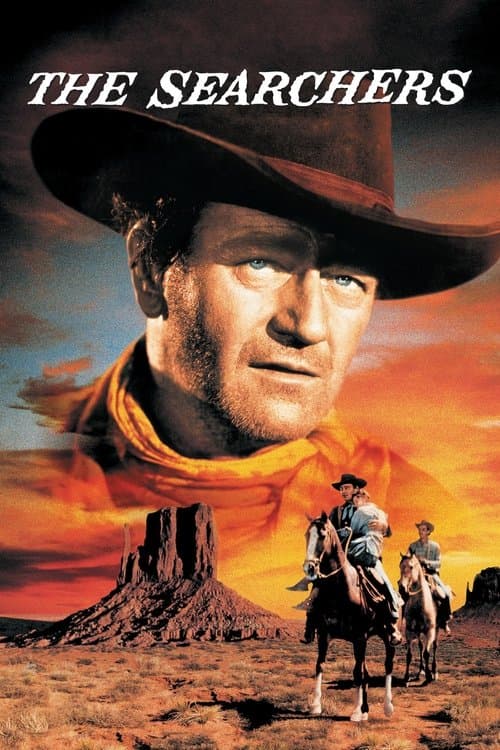
John Ford directed The Man Who Shot Liberty Valance, released in 1962. CineCode also covers The Searchers (1956).
What films are similar to The Man Who Shot Liberty Valance?
Films that share techniques with The Man Who Shot Liberty Valance include Belfast (2021), True Grit (2010), McCabe & Mrs. Miller (1971), Schindler's List (1993).