Thriller · Science Fiction · Mystery

Pi

Darren Aronofsky, 1998

Max Cohen, a lonely mathematician in Manhattan, believes numbers hide a pattern behind nature. A Wall Street firm and a group of Hasidic mystics both want his work. Aronofsky made his first feature for about $135,000 in grainy black and white.

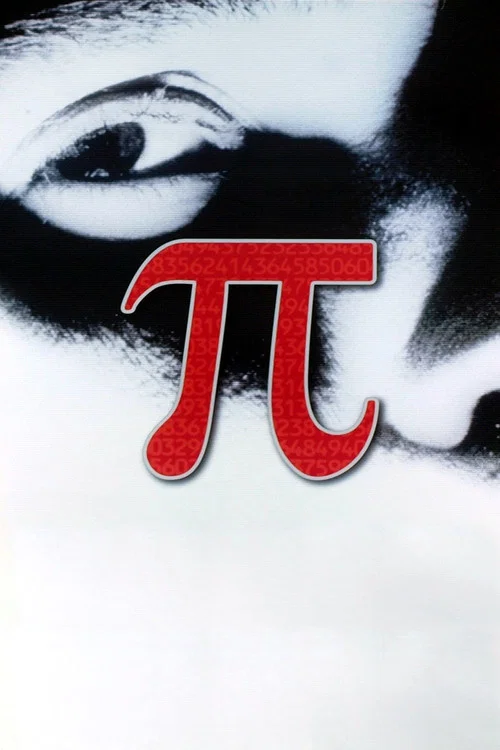
Pi (1998) poster

At a glance

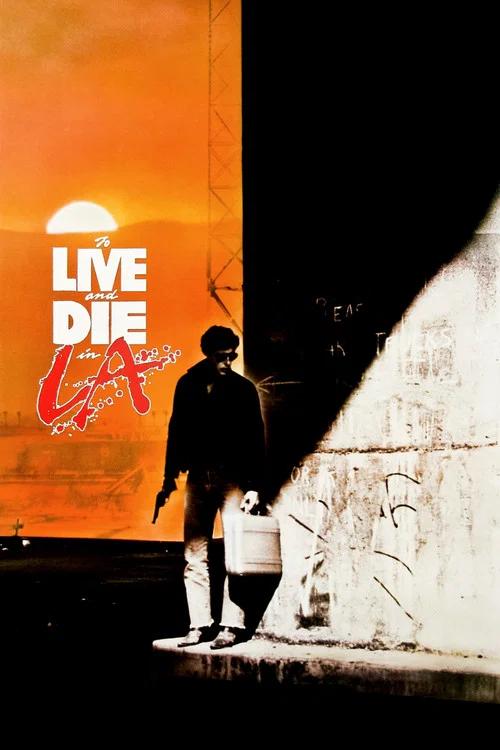
Pi is a 1998 thriller, science fiction and mystery film directed by Darren Aronofsky. This breakdown covers 4 techniques (1 narrative, 1 psychology, 1 sound and 1 cinematography), each with the scene where you can see it. If you like how it is made, To Live and Die in L.A. uses several of the same techniques.

Narrative

Obsession as Structural Engine

Building the whole plot on one character's fixation with a person, goal or rival. Every scene ties back to it, and the obsession keeps feeding itself while it destroys them.

How this film uses it

Max's single belief that numbers explain everything drives every scene. The more he finds, the sicker he gets. His obsession is what moves the plot and what hurts him.

Where to see it

Euclid's number. His computer prints a 216-digit number and crashes, and Max can think of nothing else.
Psychology

Paranoia Spiral

Building suspicion step by step, as characters feel watched or doubt those around them. The sense of being observed grows until it shapes every choice.

How this film uses it

Agents from a Wall Street firm and a group of mystics both pursue Max. He sees strangers everywhere, and it becomes hard to tell who is real. His fear grows until it shapes every choice.

Where to see it

Max is seized. Agents grab him, and Lenny rescues him and takes him to a synagogue.

Sound

Electronic Score

Scoring with synthesizers, club beats or electronic instruments. The texture can suggest a period, a mood or a character's inner state.

How this film uses it

Clint Mansell's score and the electronic tracks give the film a pulse like Max's headaches. The music is cold and machine-like. It matches his world of numbers.

Where to see it

The drill ending. Max burns the number and drills into his own head.

Cinematography

High-Contrast Monochrome

Shooting in stark black and white with deep blacks and bright whites and little gray between, so images look raw and hard-edged.

How this film uses it

Aronofsky shot on 16mm high-contrast black-and-white reversal stock, aiming for a raw, spontaneous look. The faces and apartment walls look harsh and unsoftened. It makes Max's world feel like a place with no mercy.

Where to see it

Max's apartment. The black and white make the cramped rooms and his pale face look stark.

Questions

Pi: quick answers

What filmmaking techniques does Pi use?
CineCode breaks down 4 techniques in Pi (1998): Obsession as Structural Engine, Paranoia Spiral, Electronic Score and High-Contrast Monochrome.
Who directed Pi?
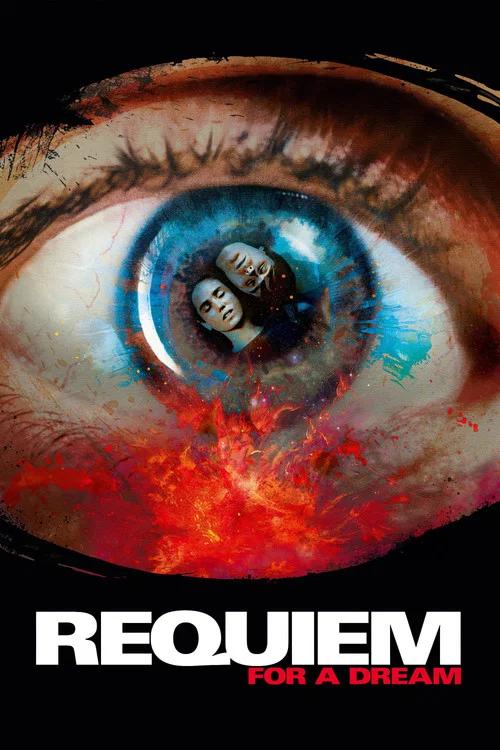
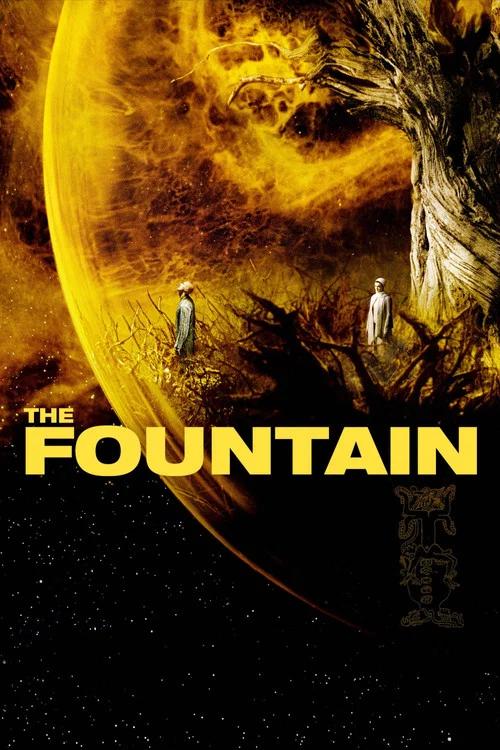
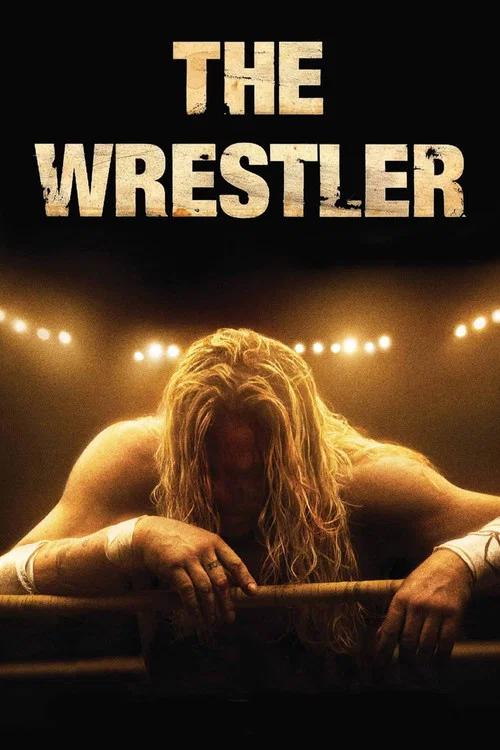
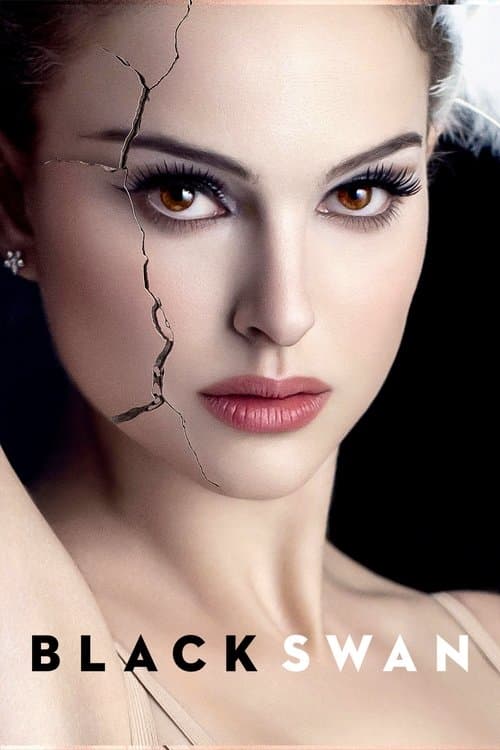
Darren Aronofsky directed Pi, released in 1998. CineCode also covers Requiem for a Dream (2000), The Fountain (2006), The Wrestler (2008), Black Swan (2010), Noah (2014), mother! (2017).
What films are similar to Pi?
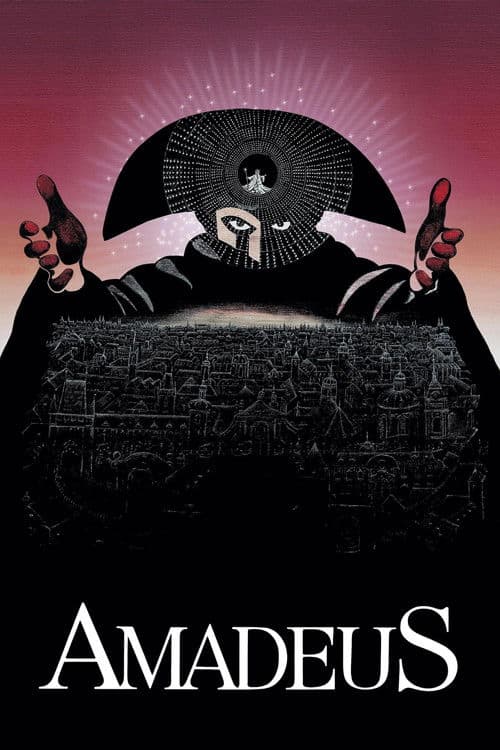
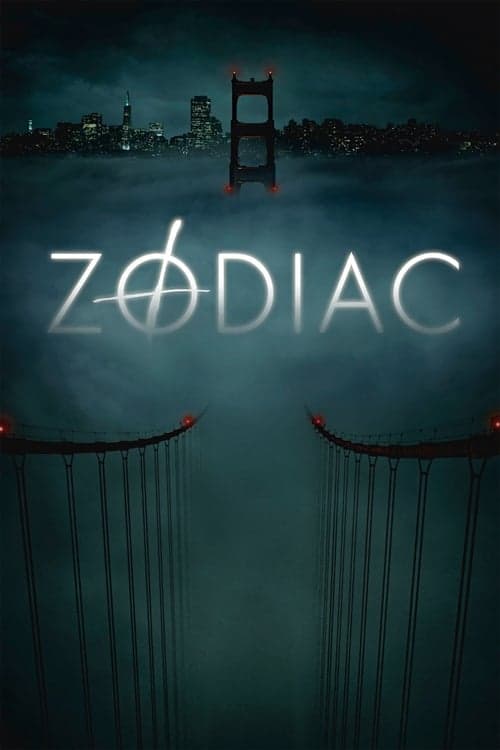
Films that share techniques with Pi include To Live and Die in L.A. (1985), The Prestige (2006), Amadeus (1984), Zodiac (2007).