Drama · Sport

The Wrestler

Darren Aronofsky, 2008

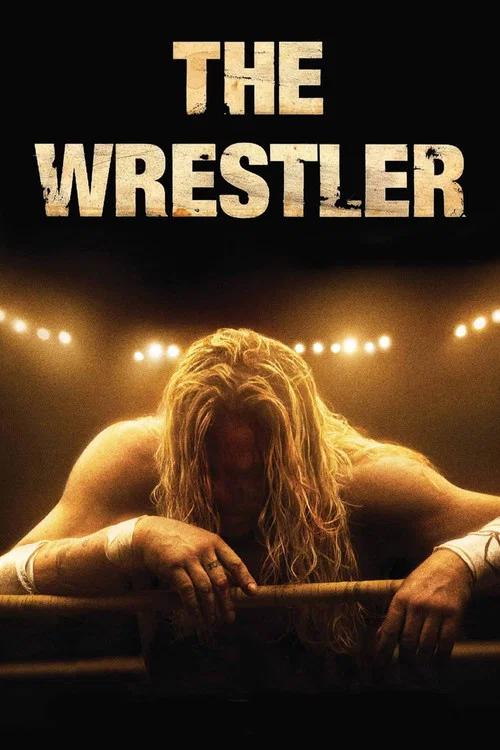
Randy 'The Ram' Robinson was a star in the 1980s and now wrestles on small shows and works at a supermarket. After a heart attack, his doctor tells him to stop. Mickey Rourke gives the performance, and Aronofsky shoots it like a documentary.

The Wrestler (2008) poster

At a glance

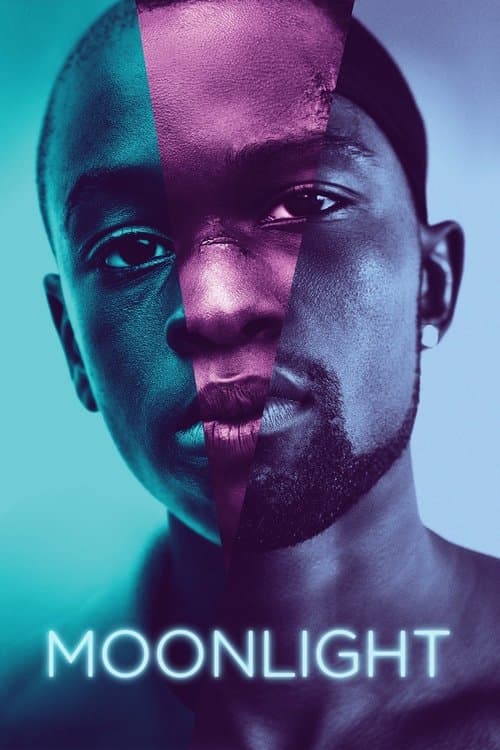
The Wrestler is a 2008 drama and sport film directed by Darren Aronofsky. This breakdown covers 5 techniques (2 narrative, 1 cinematography, 1 sound and 1 psychology), each with the scene where you can see it. If you like how it is made, Moonlight uses several of the same techniques.

Narrative

Aging Star as Subject

Letting the performers' real age and screen history carry the story, so time, fading status and the weight of earlier roles become part of the drama.

How this film uses it

Mickey Rourke's own career and body give Randy a weight no script could. His broken body and fading fame feel real because they are. You watch an actor and a character age together.

Where to see it

The deli counter. After the bypass surgery, Randy takes a full-time job at the supermarket deli and tries to live a normal life.
Cinematography

Handheld Cinema Vérité

Shooting with a handheld camera so the frame shakes and moves with the action. This documentary-style look, called cinema vérité, puts you uncomfortably close to the character.

How this film uses it

Cinematographer Maryse Alberti shot mostly handheld on 16mm, and the camera often trails Randy from behind. We follow him from the locker room to the deli counter as if he were walking out to the ring. It makes his daily life feel like a performance.

Where to see it

The walk to the deli counter. The camera follows Randy from behind through the back of the store.

Narrative

Observational Restraint

Watching events from a measured distance with no swelling music, tear-jerking close-ups or showy camera moves. The film trusts what happens to carry the weight on its own.

How this film uses it

Aronofsky keeps the music and the camera calm. The scene where Randy misses his daughter's dinner is plain and quiet. Because the film stays calm, the sadness lands harder.

Where to see it

Stephanie rejects him. After he misses dinner with his daughter, she tells him she is done.

Sound

Pop Music Needle Drop

Playing an existing popular song at a precise moment in the film. The song's lyrics, era and associations add irony, period feel or emotion that an original score could not.

How this film uses it

The soundtrack is mostly pre-recorded glam metal from the 1980s, and the songs say who Randy is. The music comes from the past he cannot let go of. It is nostalgic and sad.

Where to see it

The bar scene with Cassidy. Randy and Cassidy talk about 1980s music, and the glam metal in the air shows what he misses.

Psychology

Mortality Confrontation Arc

Making a character face their own death or age, so time becomes visible. The confrontation changes what they value.

How this film uses it

After the bypass surgery, Randy has to face that the thing he lives for may kill him. He chooses the ring anyway. The final match shows what he values most.

Where to see it

The final match. Randy ignores his chest pains and climbs the top rope for a diving headbutt.

Questions

The Wrestler: quick answers

What filmmaking techniques does The Wrestler use?
CineCode breaks down 5 techniques in The Wrestler (2008): Aging Star as Subject, Handheld Cinema Vérité, Observational Restraint, Pop Music Needle Drop and Mortality Confrontation Arc.
Who directed The Wrestler?
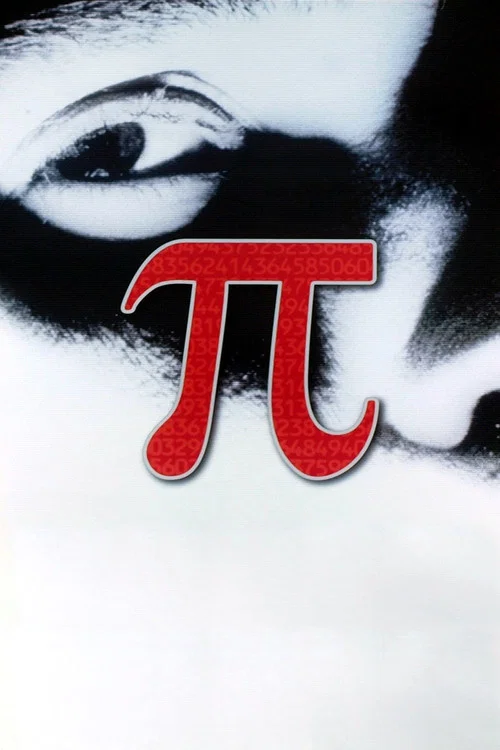
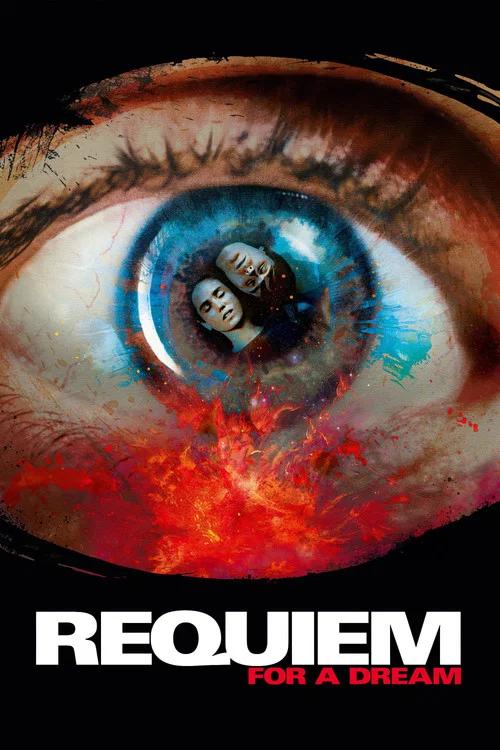
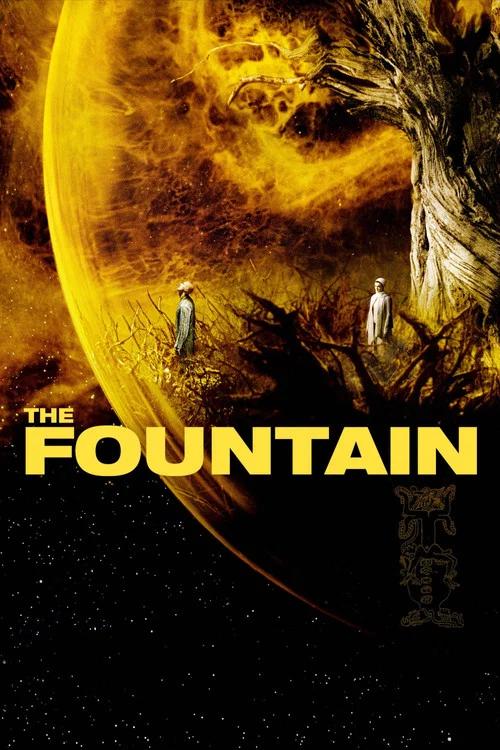
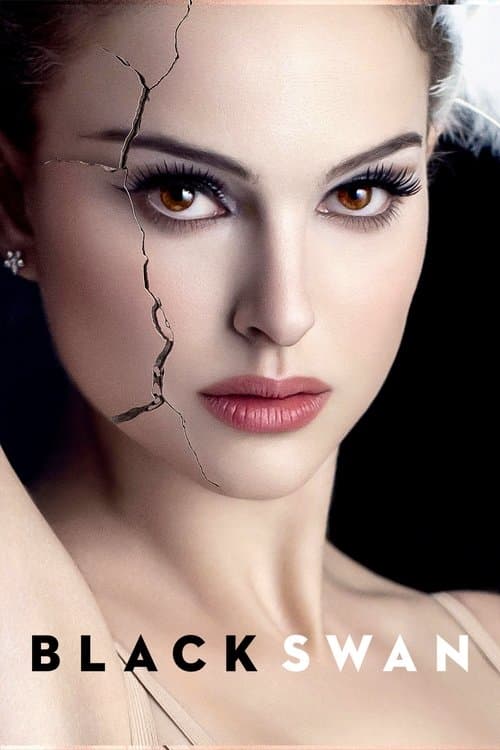
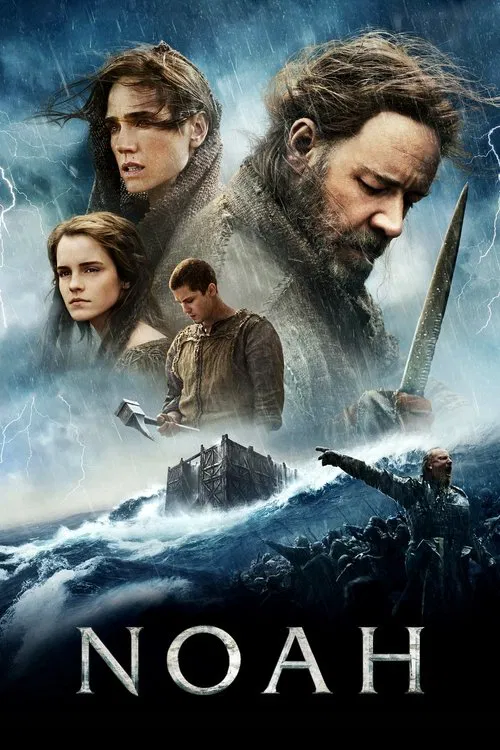
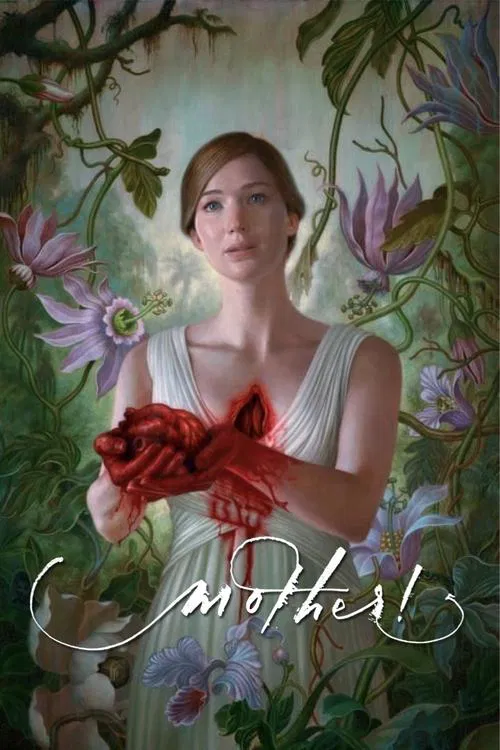
Darren Aronofsky directed The Wrestler, released in 2008. CineCode also covers Pi (1998), Requiem for a Dream (2000), The Fountain (2006), Black Swan (2010), Noah (2014), mother! (2017).
What films are similar to The Wrestler?
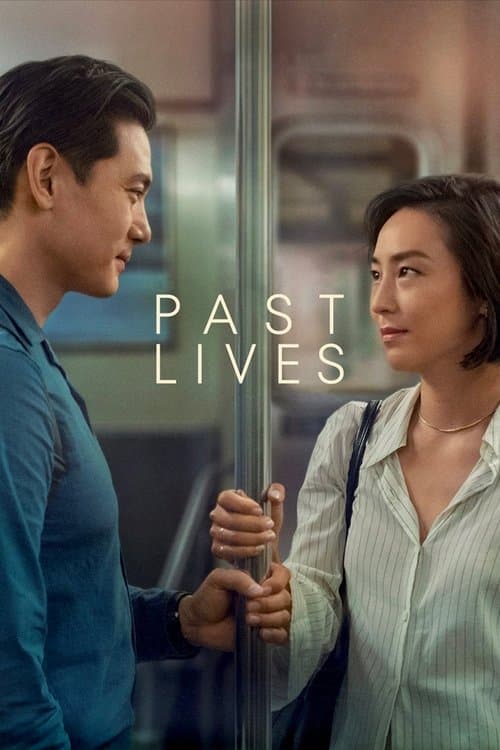
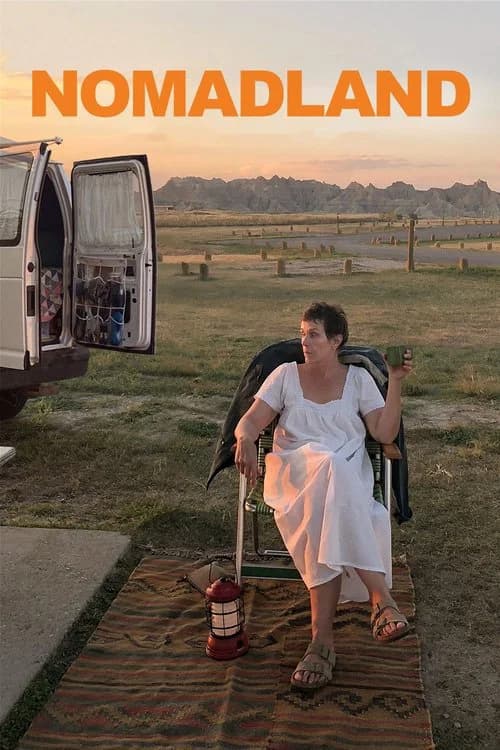
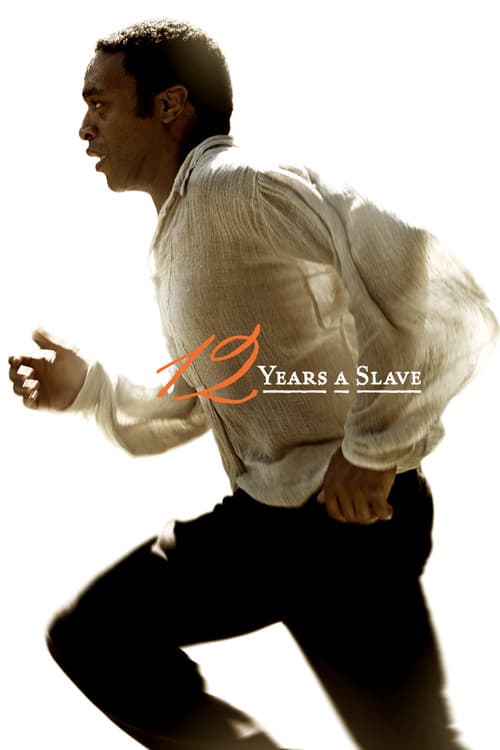
Films that share techniques with The Wrestler include Moonlight (2016), 12 Years a Slave (2013), Past Lives (2023), Nomadland (2020).