Science Fiction · Action · Adventure

Pacific Rim

Guillermo del Toro, 2013

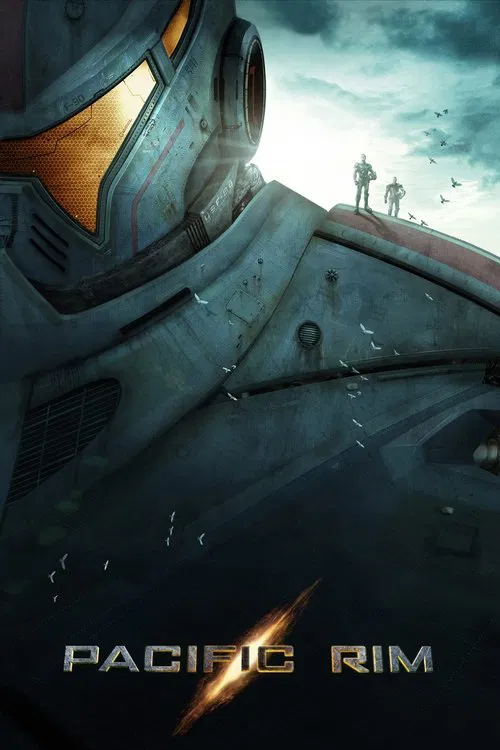
Giant monsters called Kaiju rise from a portal in the Pacific, and humanity fights them with giant robots piloted by two people whose minds are linked. A washed-up pilot returns for one last mission. Watch how del Toro mixes real scale models with neon color to make the big machines feel heavy.

Pacific Rim (2013) poster

At a glance

Pacific Rim is a 2013 science fiction, action and adventure film directed by Guillermo del Toro. This breakdown covers 4 techniques (1 narrative, 2 cinematography and 1 psychology), each with the scene where you can see it. If you like how it is made, The Lord of the Rings: The Fellowship of the Ring uses several of the same techniques.

Narrative

Monomyth Blueprint

Structuring the story on the classic hero's journey, with its call to adventure, trials, ordeal and return home. The pattern feels familiar because myths in many cultures share it.

How this film uses it

Raleigh follows the shape of a classic hero's journey. He loses his brother, quits, is called back and takes a final trial before returning. The familiar pattern lets the huge spectacle stay emotionally clear.

Where to see it

The return: Raleigh ejects Mako from Gipsy Danger, triggers a reactor meltdown that seals the Breach and escapes.
Cinematography

Practical Miniature Construction

Building highly detailed scale models of places too big or impossible to build full size, sometimes called bigatures. They are filmed with real cameras and blended with full-size footage.

How this film uses it

Alongside digital effects, the crew built real scale models and wrecked them for the camera. They built a quarter-scale office interior and destroyed it with a pneumatic rig. They also blew apart quarter-scale stadium seats with air cannons. Real debris gives the destruction weight.

Where to see it

The Hong Kong battle: the Kaiju and Jaegers wreck buildings across the city.

Cinematography

Saturated Night Combat

Filming a big night fight in strong, glowing colors so the picture stays rich even in the dark. The color makes the fight easy to read and gives it a graphic look.

How this film uses it

Del Toro asked for a very saturated palette in the Hong Kong battle, with greens, purples, pinks and oranges. He also asked the effects team not to match the lighting from shot to shot. The fight looks like neon signs, not a murky night battle.

Where to see it

The Hong Kong battle: Gipsy Danger fights the Kaiju Leatherback and Otachi through the night.

Psychology

Mind-Link as Intimacy Device

Letting two characters share memories and feelings through a technology or power. Nothing stays private, so trust and old pain both show on screen.

How this film uses it

Jaeger pilots share a mental link called the Drift, so each pilot sees the other's memories. When Mako's memory of the attack that orphaned her takes over, the test goes wrong. The tech turns a private wound into a shared problem.

Where to see it

The failed drift: Mako loses alignment during a test, recalls the childhood Kaiju attack and nearly fires the plasma cannon inside the Shatterdome.

Questions

Pacific Rim: quick answers

What filmmaking techniques does Pacific Rim use?
CineCode breaks down 4 techniques in Pacific Rim (2013): Monomyth Blueprint, Practical Miniature Construction, Saturated Night Combat and Mind-Link as Intimacy Device.
Who directed Pacific Rim?
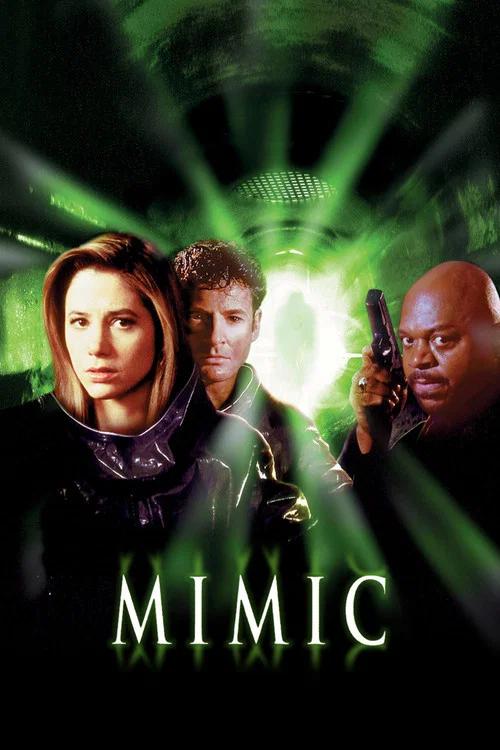
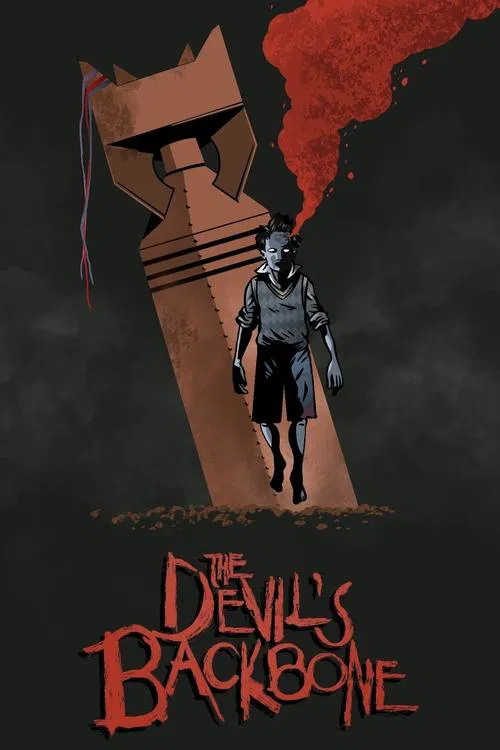
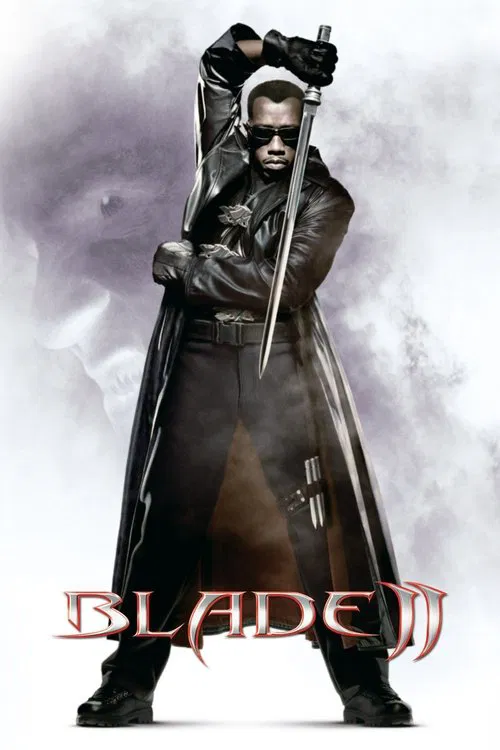
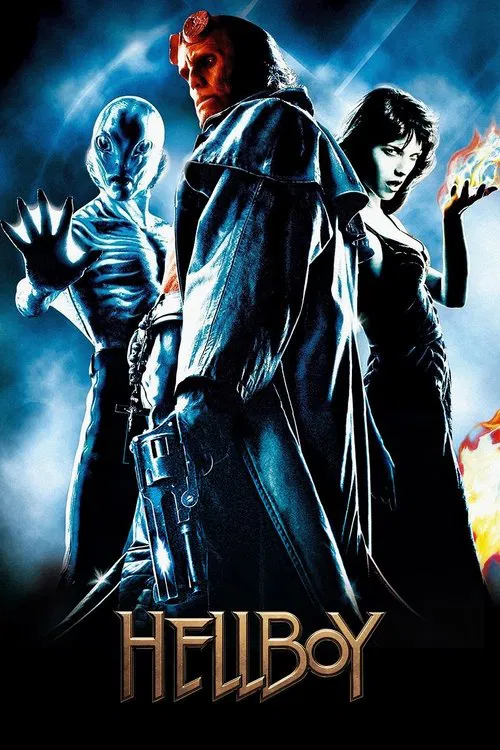
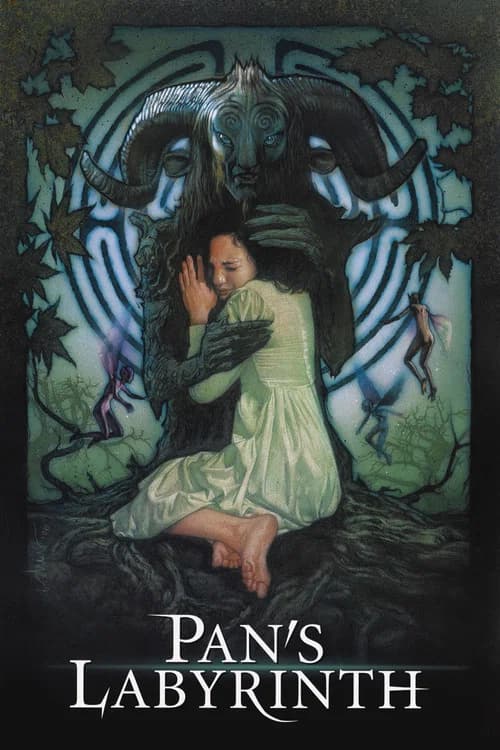
Guillermo del Toro directed Pacific Rim, released in 2013. CineCode also covers Cronos (1993), Mimic (1997), The Devil's Backbone (2001), Blade II (2002), Hellboy (2004), Pan's Labyrinth (2006).
What films are similar to Pacific Rim?
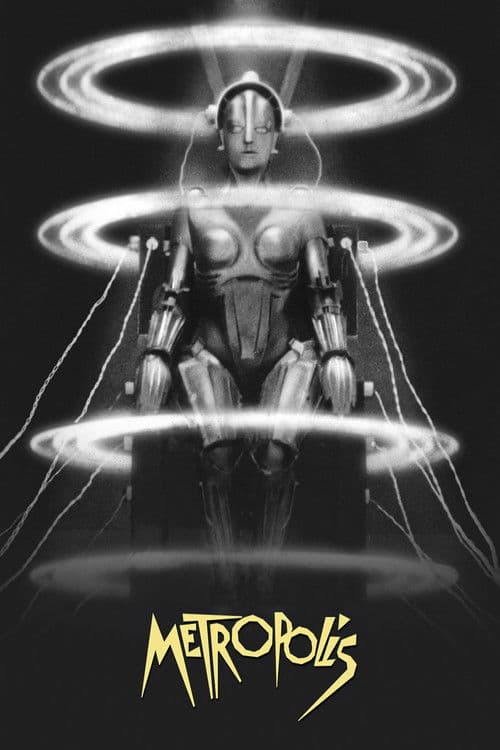
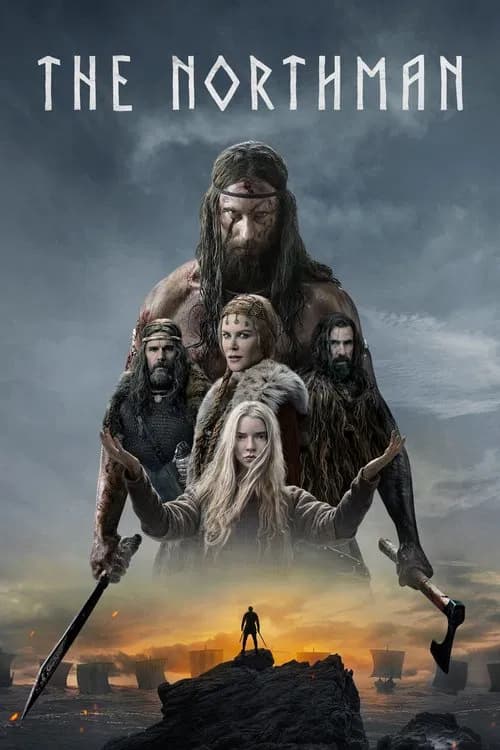
Films that share techniques with Pacific Rim include The Lord of the Rings: The Fellowship of the Ring (2001), Star Wars: A New Hope (1977), Metropolis (1927), The Northman (2022).