Color tells you where you are
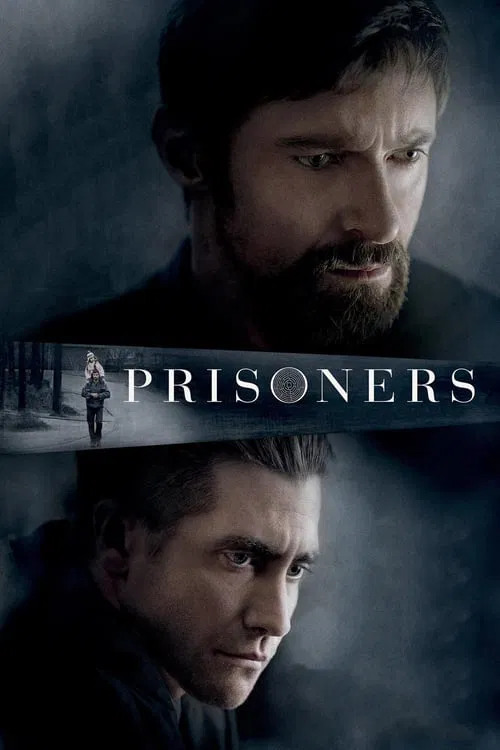
Villeneuve lets color set the mood before anyone speaks. In Prisoners (2013), Roger Deakins turns Pennsylvania's November into dim amber streetlamps and cold blue-grey daylight. The amber kitchens and basements suggest homes that can't protect what's inside them. Elsewhere, the sky is overcast and the trees are bare, so the community already looks like it has lost something.
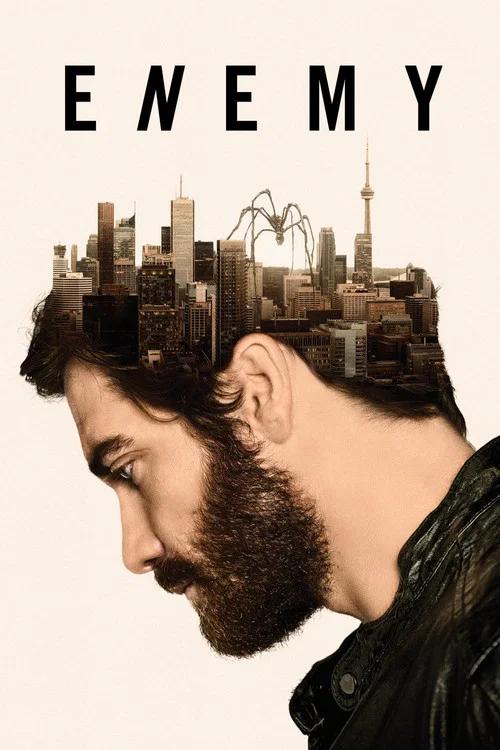
Enemy (2014) gives Toronto a yellow tint. The city looks dusty and sick, and you can feel Adam's unease before he says a word.
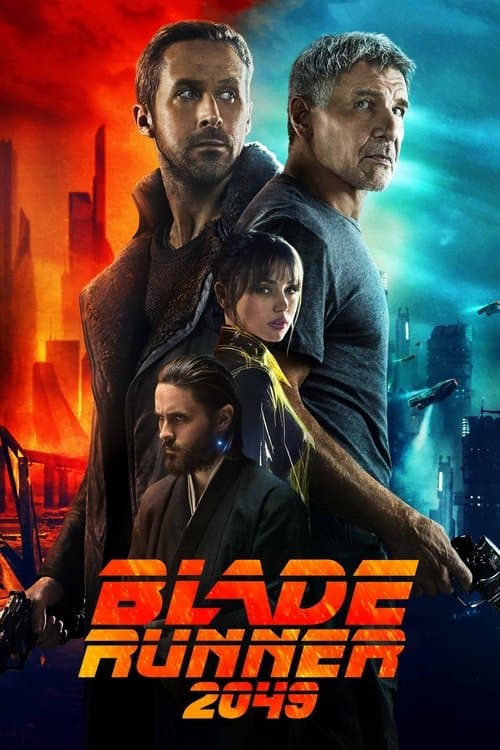
Blade Runner 2049 (2017) turns color into a map. The protein farms are a desolate orange, LAPD headquarters is cold blue, the Las Vegas ruins glow pink and Wallace's compound is empty white. When K arrives in Las Vegas, the film moves from rain-grey Los Angeles into an amber wasteland, and the moral tone shifts with it.
Landscape bigger than the people in it
In Dune: Part One (2021), cinematographer Greig Fraser shoots Arrakis like a living thing. Dunes get as much weight in the frame as faces do. When the sandworm first rises, you can't tell the creature from the desert, and it looks like the planet defending itself. IMAX photography keeps placing imperial architecture against the sand, which makes human power look tiny next to geological time.
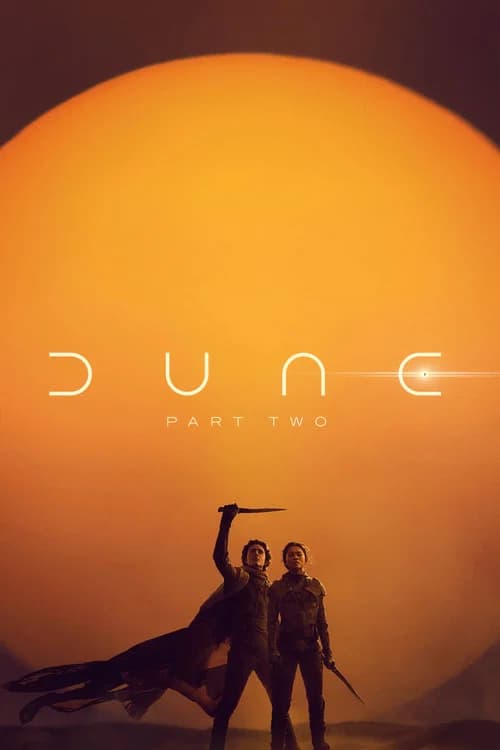
Dune: Part Two (2024) goes further. Paul rides his first sandworm and is impossibly small on a living mountain of sand. The Harkonnen arena is a different kind of huge. It's shot in infrared black-and-white IMAX, and the crowd is one faceless mass, with no color or humanity left in the violence.
Sound does the politics. Hans Zimmer gives the Fremen throat singing and metallic percussion, and the Bene Gesserit get processed strings. By Part Two, that Fremen drumming has grown into something close to war music.

Holding back what you want to see
Prisoners never shows the girls' disappearance. The film starts after the fact, and that missing scene drives everything. Every accusation and every moral collapse comes from an event you can't see.
At 153 minutes, the film also refuses thriller pacing. The horror builds through Keller's step-by-step collapse, and you watch a good man turn into someone you can't recognize. Meanwhile, Loki keeps nearly solving it. In one scene he searches the property while the girls are underground beneath him. It's almost unwatchable.
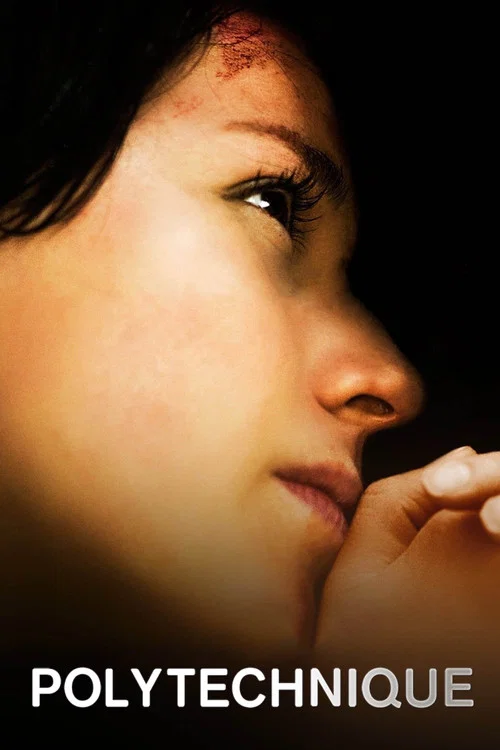
Polytechnique (2009) holds back in a different way. Villeneuve shot it in black and white and has said it was partly to avoid showing blood. The grey images remove any comfort, and you watch as a witness. The film follows 2 students, Valérie and Jean-François, so you stay with two people instead of the headlines.
Seeing only what she sees
Sicario (2015) keeps you inside Kate Macer's knowledge. She's denied information about the operation she's part of, so you know exactly as little as she does. In the border convoy, she knows less than anyone in the vehicle, and that's why the ambush feels so physical.
The camera is calm, with very little handheld work even in the action. That steady look makes the violence feel clinical, like the bureaucracy running the war. At the traffic jam border crossing, the camera sits in the car with Kate and can't see what the officers outside can see, so the shock is real when it comes.
Sound adds to it. In the tunnel sequence, the music drops out and you hear the team's breathing and movement. The dark ends up as claustrophobic as the space.
The wide 2.39:1 frame carries the other half. The Juárez skyline sits against the Texas horizon with the desert between them, so the war looks like it's fought in the gap between 2 legal systems.

Two timelines, one reveal
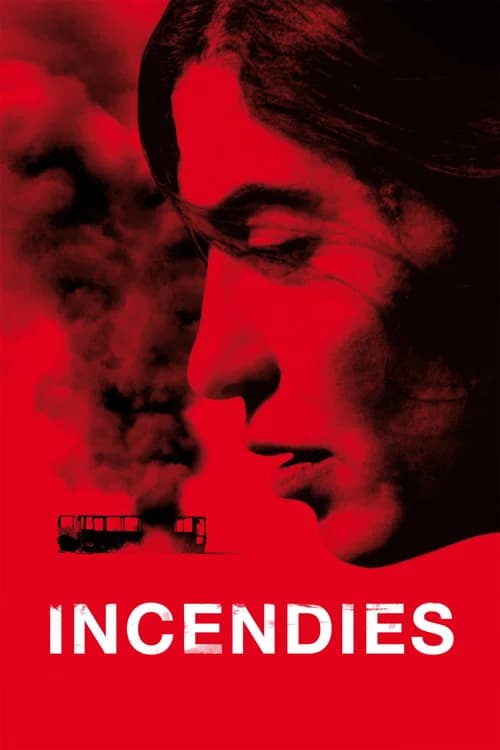
Incendies (2010) cuts between twins investigating in the present and their mother Nawal's past in an unnamed country. Nothing tells you when you are. You piece her history together at the same pace as her children. The bus massacre sits in the past timeline, and you can't see why it matters until the present investigation reaches the same place from the other side.
The final letter changes every earlier scene. The camera mostly witnesses, with no music pushing you, and it watches Nawal sing in her cell while other prisoners scream. That's the film's most concentrated image of endurance.
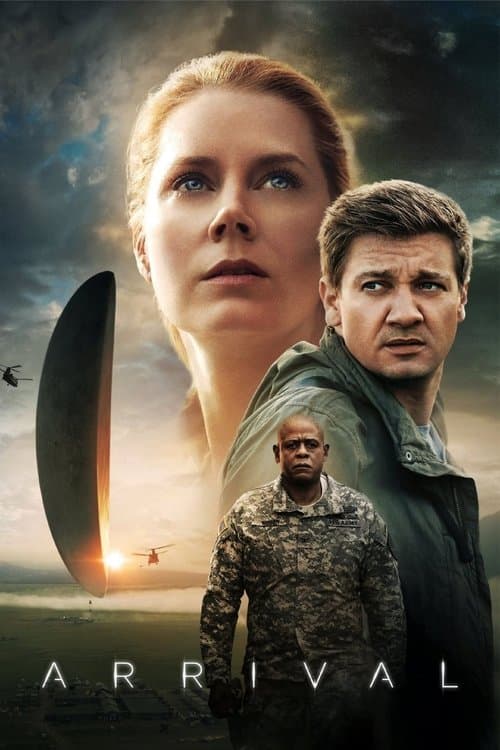
Arrival (2016) works the same way with grief. Louise's scenes with her daughter look like memories until the last act, when you learn they are the future. At the start, Max Richter's 'On the Nature of Daylight' plays. It plays again at the close, so the grief and the love read as the same event.
Heroes who end up somewhere bad
Villeneuve likes arcs that don't pay off the way the genre promises. In Blade Runner 2049, K investigates whether his memory is real and whether he might be the child of Deckard and Rachael. He finds out he isn't. The arc ends without the answer he wanted, and he acts decently anyway. This is the one I'd start with if you want to see how he handles a long runtime. At 164 minutes the film makes you live inside its questions.
Dune: Part Two takes the classic hero's journey and makes it the tragedy. Paul accepts the messianic title and calls the Fremen to holy war. In a normal film that would be the triumphant climax. Here it's the start of a jihad that will kill billions.
How to use this when you watch
When you watch a Villeneuve film, ask what he's keeping off screen and what color the room is. Both choices tell you how to feel before the plot does. Once you start looking for those two things, the slow pace makes more sense.
More guides
- Film Noir Lighting Explained: 8 Films That Nail It
- How Directors Build Suspense: 8 Films That Show You How
- Unreliable Narrator Movies Explained: 9 Films That Fool You
- Non-Linear Movies Explained: 8 Films Told Out of Order
- Long Takes and Oners Explained: 9 Famous One-Shot Scenes
- How Color Tells the Story: 9 Films With Meaningful Palettes