Mystery · Comedy

F for Fake

Orson Welles, 1973

Welles builds an essay film about forgery, starting with the art forger Elmyr de Hory and his biographer Clifford Irving, who faked his own Howard Hughes book. Welles keeps asking what makes something real. Worth watching for the editing, which is half magic trick and half argument.

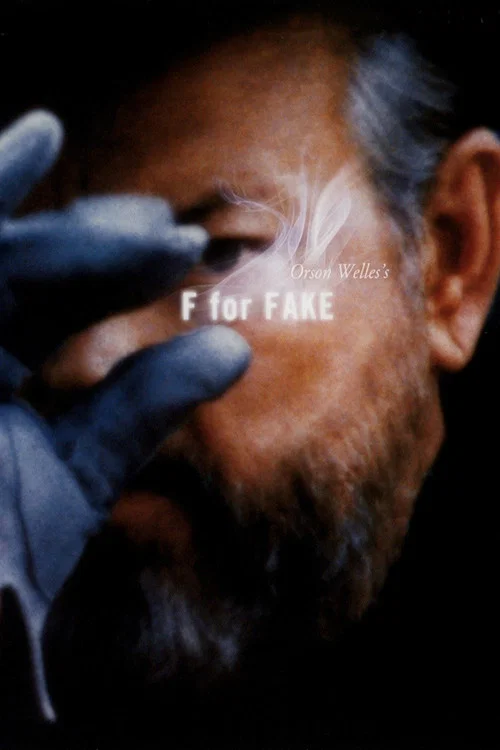
F for Fake (1973) poster

At a glance

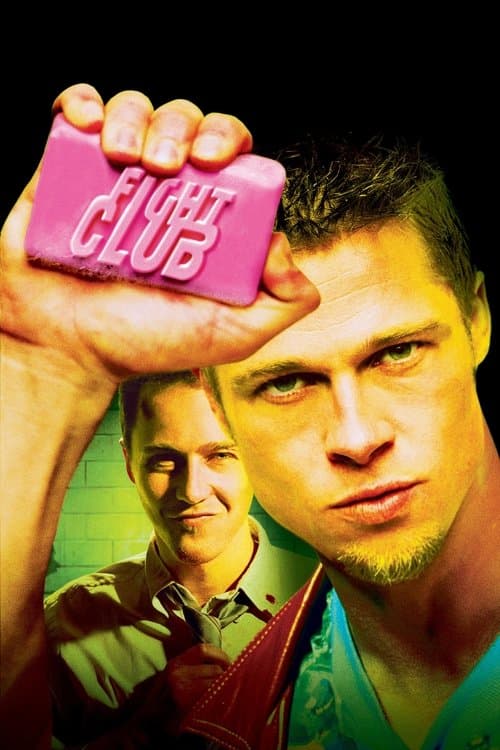
F for Fake is a 1973 mystery and comedy film directed by Orson Welles. This breakdown covers 5 techniques (4 narrative and 1 editing), each with the scene where you can see it. If you like how it is made, Fight Club uses several of the same techniques.

Narrative

Direct Address

Having a character look into the camera and speak to the audience, also called breaking the fourth wall. It makes you feel like their confidant and reminds you this is a film.

How this film uses it

Welles talks straight to you, with a showman's grin. His easy confidence makes you want to believe whatever he says next.

Where to see it

The opening: Welles does magic for children and promises that everything he says in the next hour is true.
Narrative

Fiction Crossing Into Reality

Letting characters or stories cross the boundary between fiction and the real world inside the film. It plays with how much we rely on stories to cope with life.

How this film uses it

Real interviews with de Hory and Irving sit next to staged scenes made to look real. The film keeps asking whether you can tell the difference.

Where to see it

The Picasso story: Oja Kodar's segment about forgeries is told like fact, then Welles admits it was invented.

Narrative

Interwoven Storylines

Running several separate storylines side by side, sometimes leading them to collide, so each thread comments on the others and the whole becomes a larger picture.

How this film uses it

The film cuts between de Hory's forgeries and Irving's fake Howard Hughes biography. The two con men comment on each other, and Welles is a third fake in the mix.

Where to see it

De Hory and Irving: their stories alternate, and you realize the forger's biographer is a forger too.

Narrative

Unreliable Narrator

Telling the story through a character you can't trust, because they are lying, mentally unwell or fooling themselves. At some point, you have to rethink what you were told.

How this film uses it

Welles promised an hour of truth, then confesses afterward that he kept lying. The confession makes you go back and question the rest of the film.

Where to see it

The admission: after his promised hour of facts, Welles says the Picasso story was made up.

Editing

Essay Film Editing

Assembling interview, archive and staged footage by theme, so the cutting itself makes an argument about the subject. The order of the images is the idea.

How this film uses it

Welles mixes reshot footage, staged shots and interviews, and presents invented scenes as if they were happening live. The edit becomes the proof that anything on screen can be faked.

Where to see it

The de Hory interviews: footage from different sources is cut together so a forger's story and the film's own trickery blend.

Questions

F for Fake: quick answers

What filmmaking techniques does F for Fake use?
CineCode breaks down 5 techniques in F for Fake (1973): Direct Address, Fiction Crossing Into Reality, Interwoven Storylines, Unreliable Narrator and Essay Film Editing.
Who directed F for Fake?
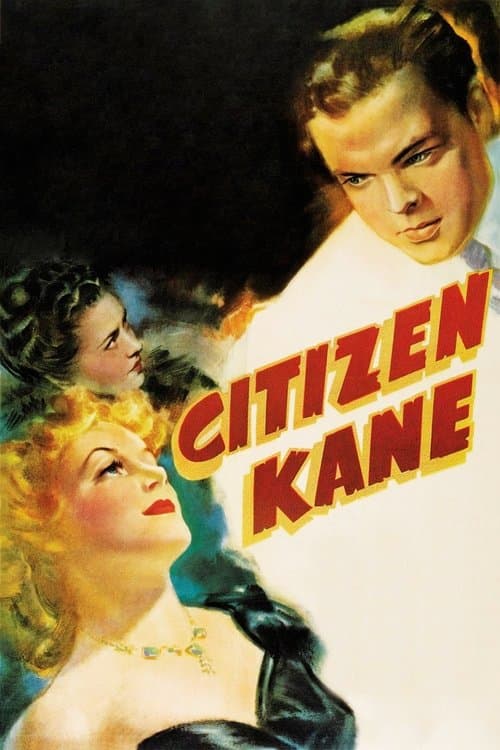
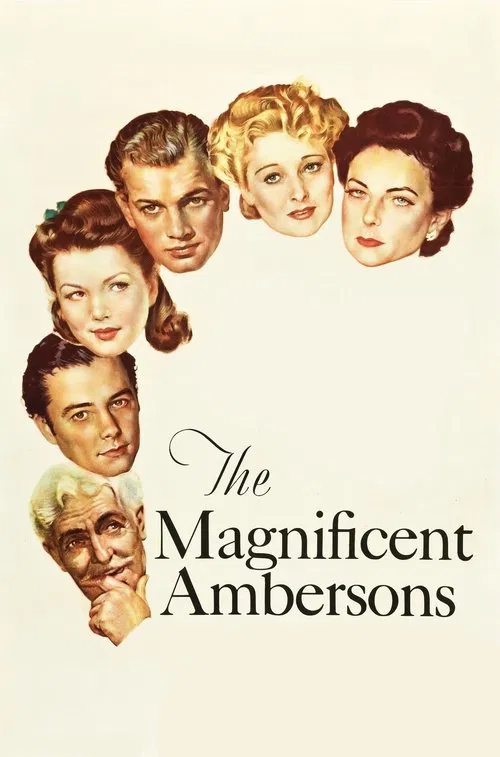
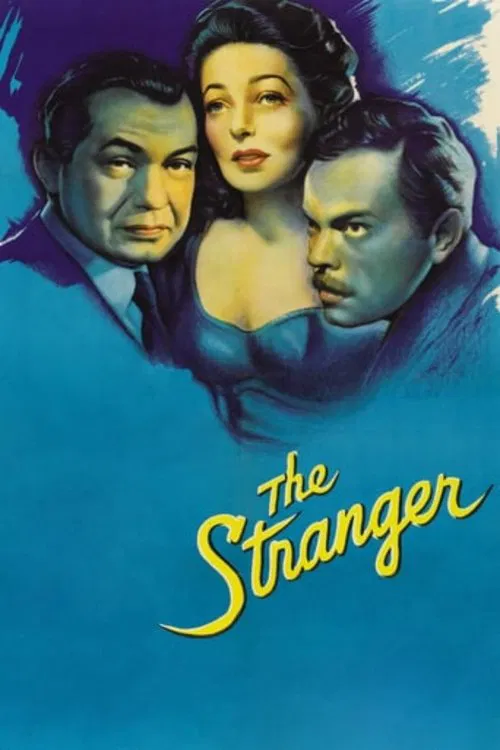
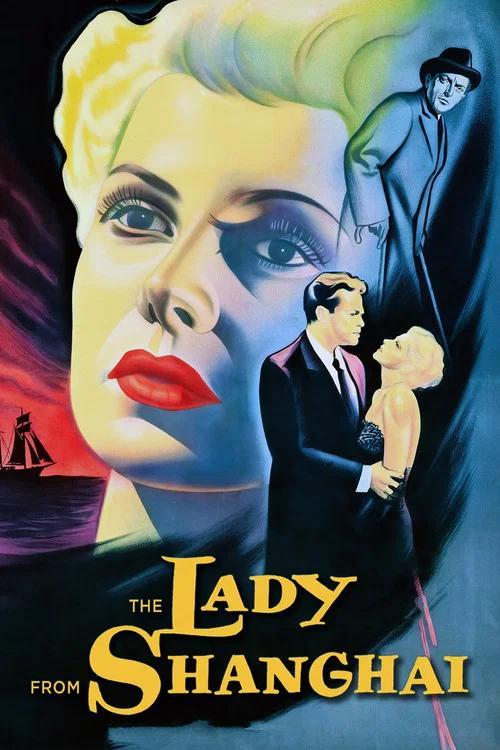
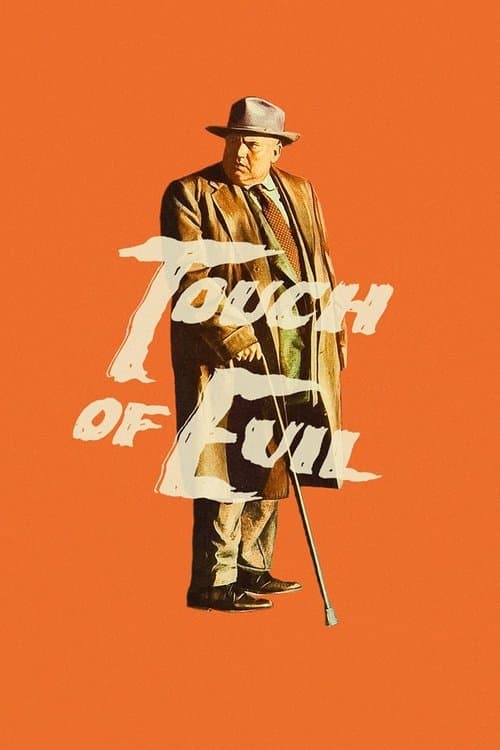
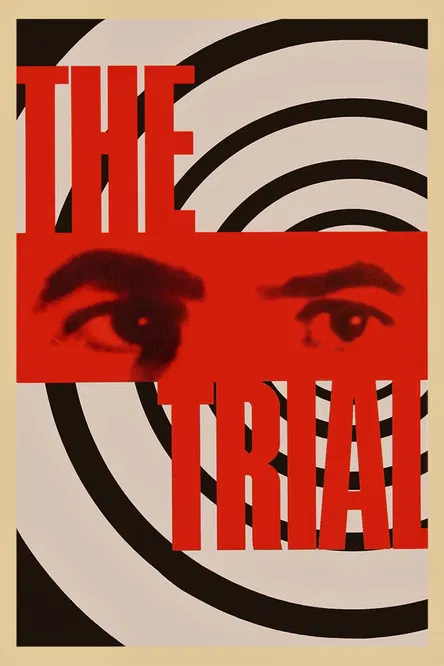
Orson Welles directed F for Fake, released in 1973. CineCode also covers Citizen Kane (1941), The Magnificent Ambersons (1942), The Stranger (1946), The Lady from Shanghai (1947), Touch of Evil (1958), The Trial (1962).
What films are similar to F for Fake?
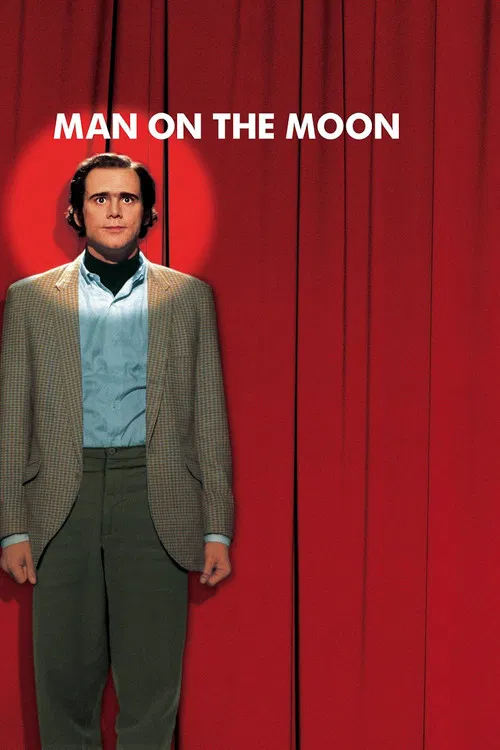
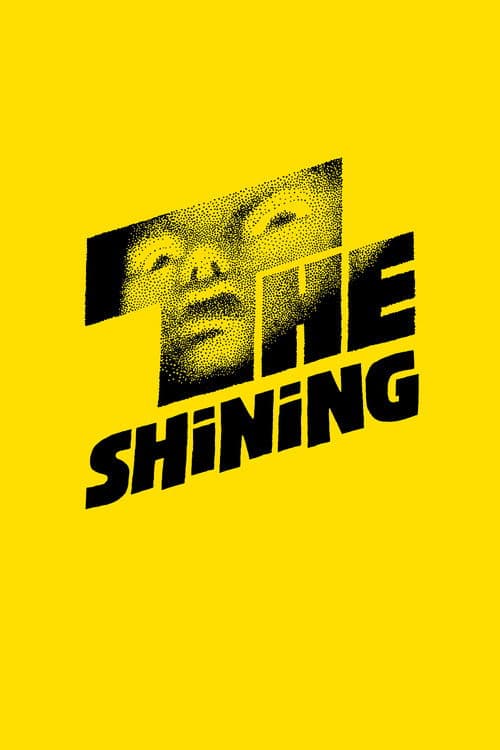
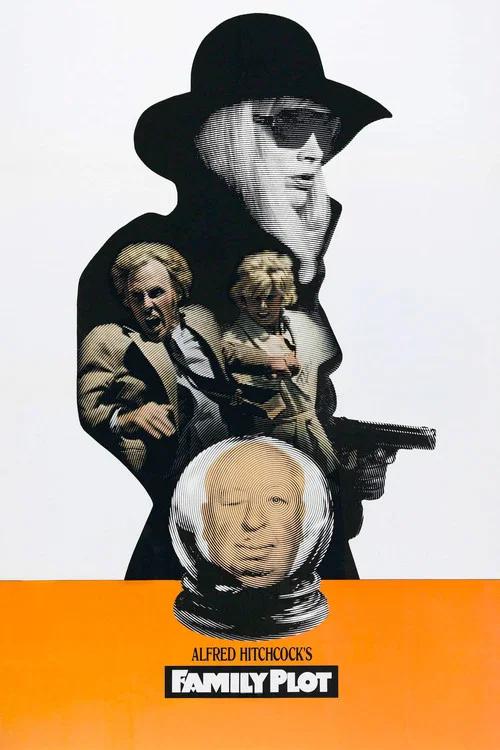
Films that share techniques with F for Fake include Fight Club (1999), Family Plot (1976), Man on the Moon (1999), The Shining (1980).