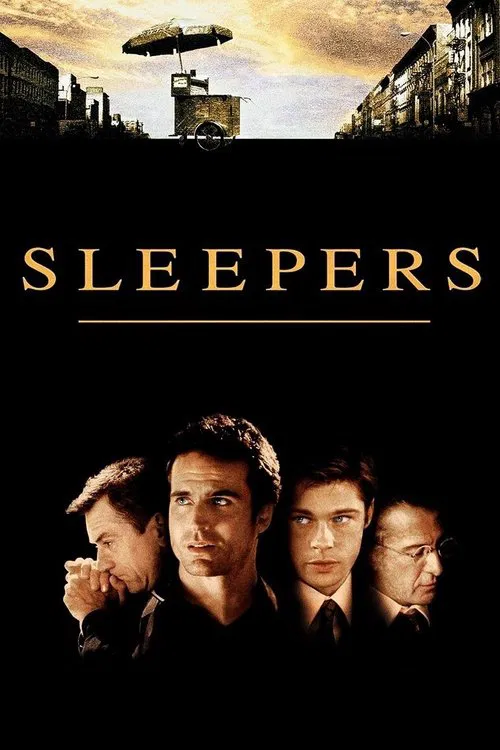
Four boys from Hell's Kitchen are sent to a youth prison after a street prank goes wrong, and guards abuse them. Years later, two of them kill one of those guards, and a friend who is now an assistant district attorney takes the case so he can expose the rest. A narrator looks back on it all.
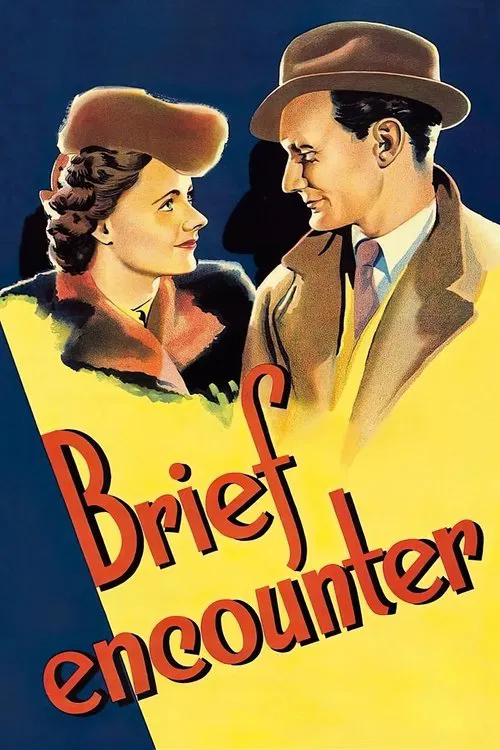
Sleepers is a 1996 drama, crime and thriller film directed by Barry Levinson. This breakdown covers 5 techniques (3 narrative, 1 psychology and 1 cinematography), each with the scene where you can see it. If you like how it is made, Brief Encounter uses several of the same techniques.
Having a narrator tell the story from some point after it happened. The events feel like memory, and you sense early on that something will be lost.
How this film uses it
Shakes narrates from later in life, and the film opens by calling itself a true story about friendship. That sets up a story told as memory. By the end you sense how much was lost.
Where to see it
The epilogue. The friends celebrate at a bar, and Shakes's narration says it was the last time they were all together.
Staging a trial as a performance, with testimony and cross-examination played like theater. The rules can bring out the truth, or they can hide a verdict that was decided in advance.
How this film uses it
The trial is staged as a game that both sides are rigging. Michael, the prosecutor, is a childhood friend who took the case to expose the guards. A social worker breaks down on the stand, and a priest lies under oath. You watch a court used for a justice the law cannot give.
Where to see it
The alibi. Father Bobby testifies that John and Tommy were at a Knicks game and produces ticket stubs, and they are acquitted.
Binding several characters together through a secret wrong that they hold, confess or hide. The guilt is spread among them and shapes how they treat one another.
How this film uses it
The boys swear never to tell what happened to them. That vow ties them together into adulthood and shapes every choice they make about the guards. Silence becomes a bond and a burden.
Where to see it
The vow of silence. Shakes wants to report the abuse, but the others refuse and the boys swear to stay quiet.
Tracing revenge across its aftermath, showing how vengeance repeats or leaves the avenger empty instead of delivering satisfaction.
How this film uses it
John and Tommy shoot Nokes in a pub in front of witnesses. The revenge reaches other guards, one of whom is later murdered. In the end John and Tommy die before 30 and Michael moves away, so the revenge wins in court and still breaks up the friends.
Where to see it
The pub shooting. In 1981, John and Tommy, now criminals, confront Nokes and shoot him in front of witnesses.
Filming in recognizable real places so the setting acts like part of the cast. Streets, buildings and landscapes shape the mood of the story.
How this film uses it
Cinematographer Michael Ballhaus shot the film, and it is rooted in Hell's Kitchen. The neighborhood is the boys' whole world before the prison takes it away. It stays in your mind through the rest of the story.
Where to see it
The opening in Hell's Kitchen. In 1967 the four boys run errands for the local gangster King Benny, and a stolen hot dog cart rolls down the subway stairs.
Questions
Sleepers: quick answers
What filmmaking techniques does Sleepers use?
CineCode breaks down 5 techniques in Sleepers (1996): Retrospective Voiceover, Legal Theater, Shared Secret Guilt, Revenge Consequences and Real Locations as Character.
Who directed Sleepers?
Barry Levinson directed Sleepers, released in 1996. CineCode also covers Rain Man (1988).
What films are similar to Sleepers?
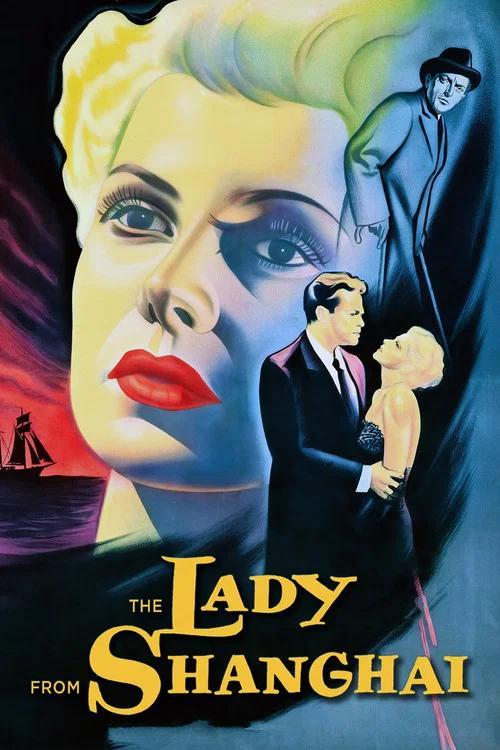
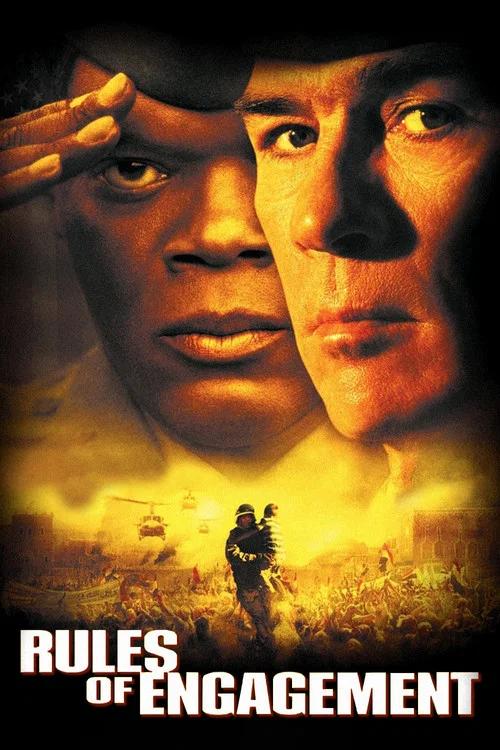
Films that share techniques with Sleepers include Brief Encounter (1945), A Passage to India (1984), The Lady from Shanghai (1947), Rules of Engagement (2000).