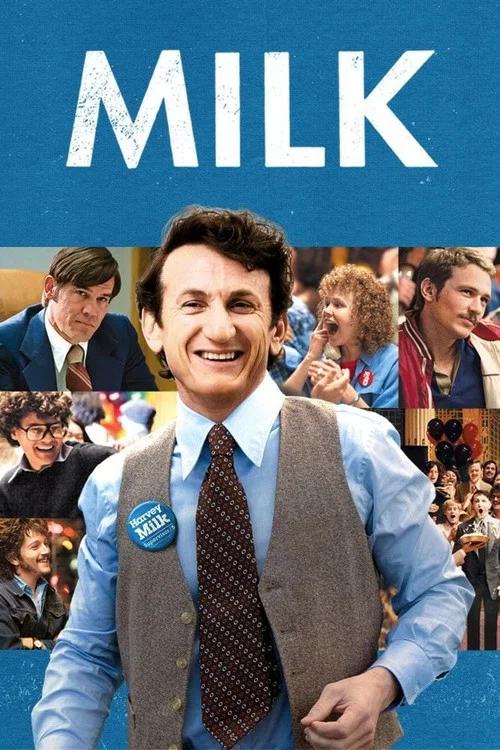
Milk follows Harvey Milk from his 40th birthday in New York to his election as a San Francisco city supervisor, the first openly gay man elected to major office in California, and his assassination in 1978. Watch for how the film mixes real 1970s footage with recreated scenes.
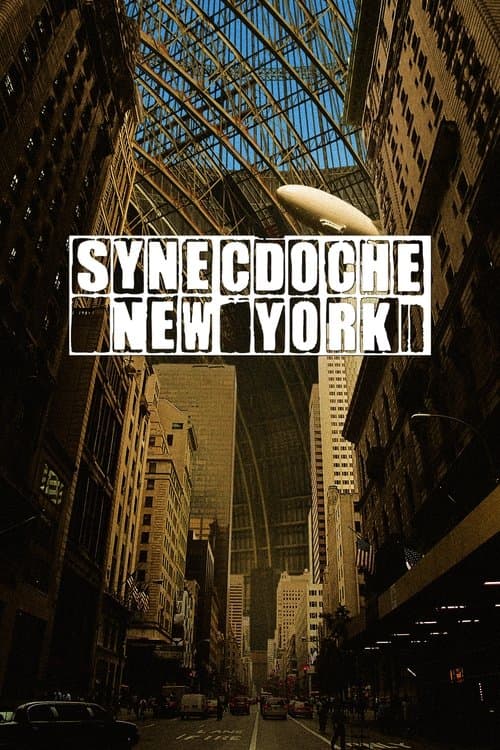
Milk is a 2008 biography, drama and history film directed by Gus Van Sant. This breakdown covers 4 techniques (2 narrative, 1 editing and 1 cinematography), each with the scene where you can see it. If you like how it is made, The Tree of Life uses several of the same techniques.
Starting the film by showing or telling you how it ends, such as the main character's death or defeat. The rest of the story then explains how things got there.
How this film uses it
The film starts with the news of Milk's killing by Dan White, before it shows his life. Because you know how it ends, every victory in the story carries weight.
Where to see it
The opening: Dianne Feinstein announces the assassinations of Milk and Mayor George Moscone.
Having a narrator tell the story from some point after it happened. The events feel like memory, and you sense early on that something will be lost.
How this film uses it
Milk records his will on tape nine days before his death. His recorded voice walks you through his story as memory, and you feel he knew he might be killed.
Where to see it
The tape: Milk sits at his kitchen table and speaks into a tape recorder, telling his story.
Cutting real documentary or archive footage into a fictional story, such as authentic records of wartime atrocities. It grounds the fiction in history and blurs the line between cinema and the record.
How this film uses it
The film cuts in real archive footage of the political fights of the time, such as the campaign over Proposition 6, which would have barred gay and lesbian people from teaching in California public schools. The real footage makes the dramatized scenes feel like history.
Where to see it
Proposition 6 campaign: Archive news footage appears next to scenes of Milk organizing against the initiative.
Filming in recognizable real places so the setting acts like part of the cast. Streets, buildings and landscapes shape the mood of the story.
How this film uses it
The crew dressed Castro Street to look like the 1970s and took over the former Castro Camera storefront for a couple of months. The Castro Theatre's marquee was redone. Filming in the real neighborhood roots the story in the community Milk led.
Where to see it
Castro Camera: Milk and Scott Smith open a camera shop that becomes the center of the neighborhood's political life.
Questions
Milk: quick answers
What filmmaking techniques does Milk use?
CineCode breaks down 4 techniques in Milk (2008): Proleptic Opening, Retrospective Voiceover, Documentary Footage Integration and Real Locations as Character.
Who directed Milk?
Gus Van Sant directed Milk, released in 2008. CineCode also covers Good Will Hunting (1997).
What films are similar to Milk?
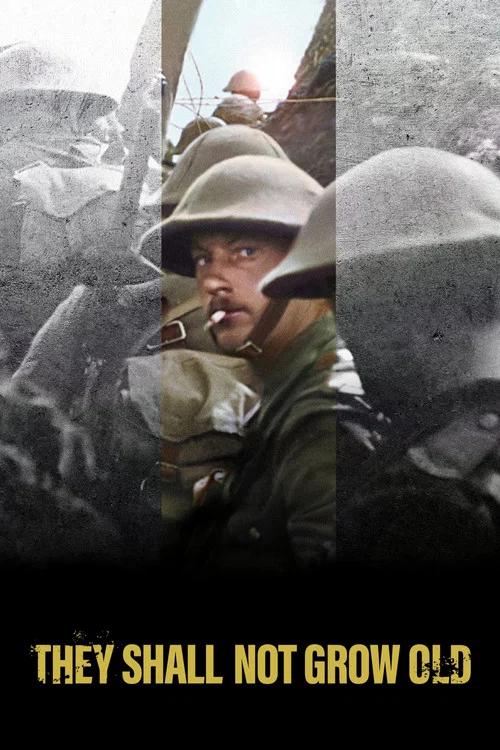
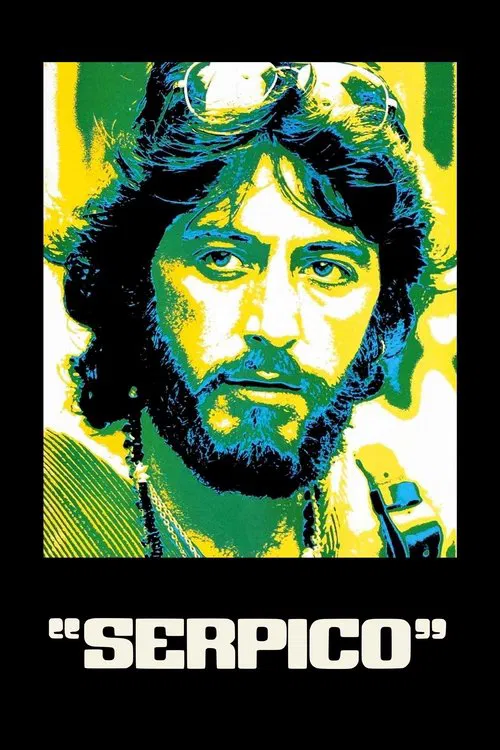
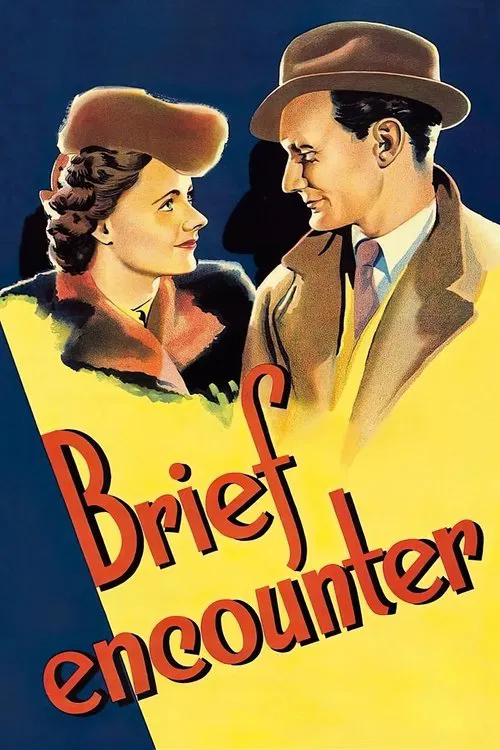
Films that share techniques with Milk include The Tree of Life (2011), They Shall Not Grow Old (2018), Serpico (1973), Brief Encounter (1945).