Crime · Film Noir · Thriller

The Killing

Stanley Kubrick, 1956

Johnny Clay, fresh out of prison, plans to rob a racetrack of about $2 million with a small crew of inside helpers. The heist is told out of order by following each man in turn. As a filmmaker, watch how the timeline loops back so one robbery feels like several.

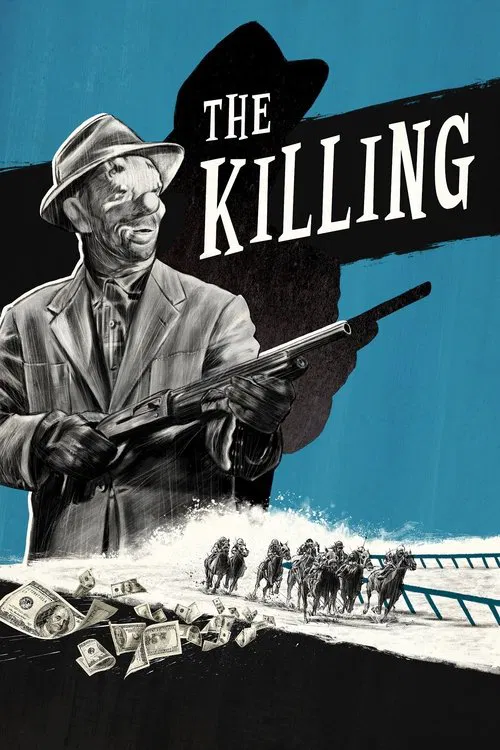
The Killing (1956) poster

At a glance

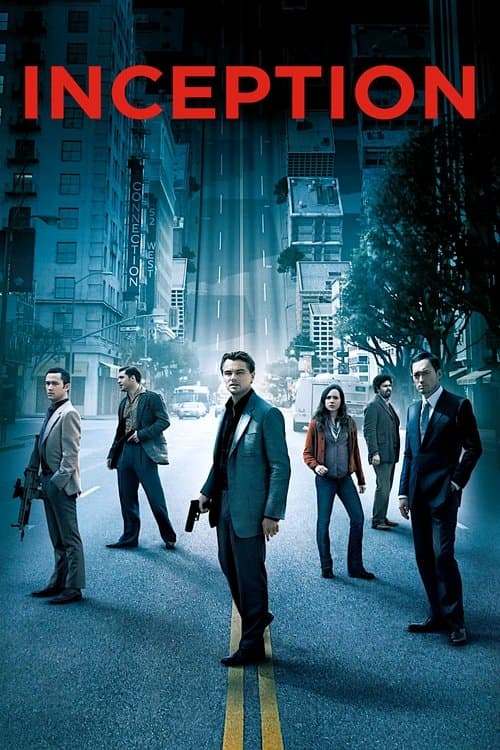
The Killing is a 1956 crime, film noir and thriller film directed by Stanley Kubrick. This breakdown covers 4 techniques (2 narrative, 1 editing and 1 sound), each with the scene where you can see it. If you like how it is made, Inception uses several of the same techniques.

Narrative

Non-Linear Narrative

Telling the story out of order by jumping between time periods. The order you see events in changes how you understand them.

How this film uses it

The film does not follow the heist in a straight line. It returns to earlier moments and tells them again from another man's side. You assemble the whole plan piece by piece, as if you were putting a clock together.

Where to see it

The racetrack heist. The film steps through the day moving from one man's job to another's, and returns to the same stretch of time more than once.
Editing

Repeated Event Retelling

Showing the same event again from a different position, character or time. Each replay adds or changes information and shifts what the audience believes.

How this film uses it

Each member of the crew has a job at a different spot at the track. The film cuts back to the same stretch of time to follow each of them. You see how the jobs fit together and what each man knows.

Where to see it

The sequence at the racetrack. The film shows the same part of the afternoon again from a new man's position.

Sound

Voiceover Narration Device

Using a narrator's voice to guide the story, either as flat documentary report or as a voice that gets interrupted. The narration shapes how much you trust the telling.

How this film uses it

A narrator, credited as The Narrator, gives the story the feel of a documentary report. Contemporary reviewers noted this style, which can be confusing at first. The flat, factual voice makes the robbery feel like something that really happened.

Where to see it

The narration through the heist. A calm voice sets out the day's events like a report.

Narrative

Expectation Collapse

Building up the usual genre expectations, like the villain getting caught and the climax approaching, then refusing to deliver them. Your own anticipation is what makes the letdown hit so hard.

How this film uses it

The plan works, and for a while it looks like Johnny will get away with it. Then the ending takes it all away through a small, almost silly accident. Because you believed in him, the loss hurts more.

Where to see it

The airport ending. The money case bursts open on a baggage cart, a propeller scatters the cash, and Johnny calmly accepts that it is over.

Questions

The Killing: quick answers

What filmmaking techniques does The Killing use?
CineCode breaks down 4 techniques in The Killing (1956): Non-Linear Narrative, Repeated Event Retelling, Voiceover Narration Device and Expectation Collapse.
Who directed The Killing?
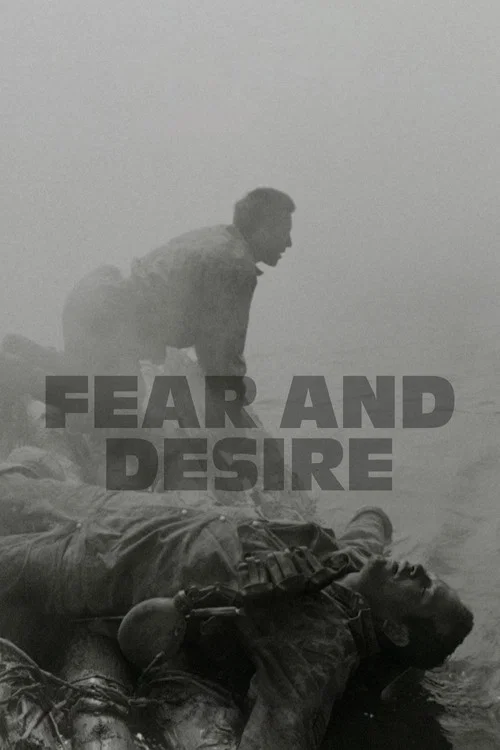
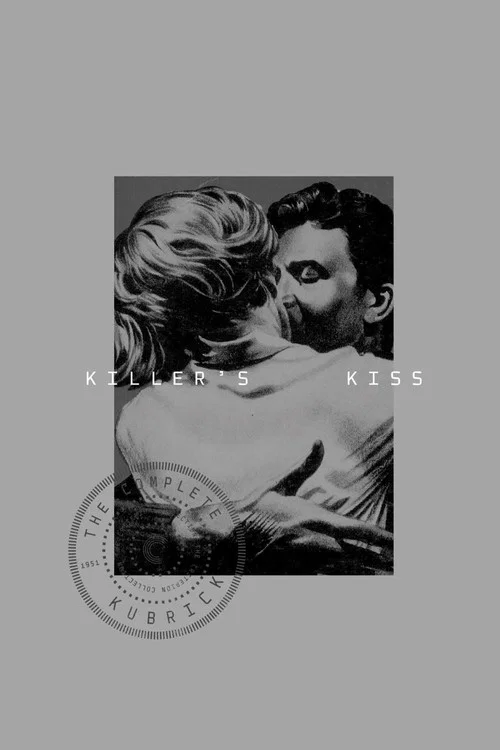
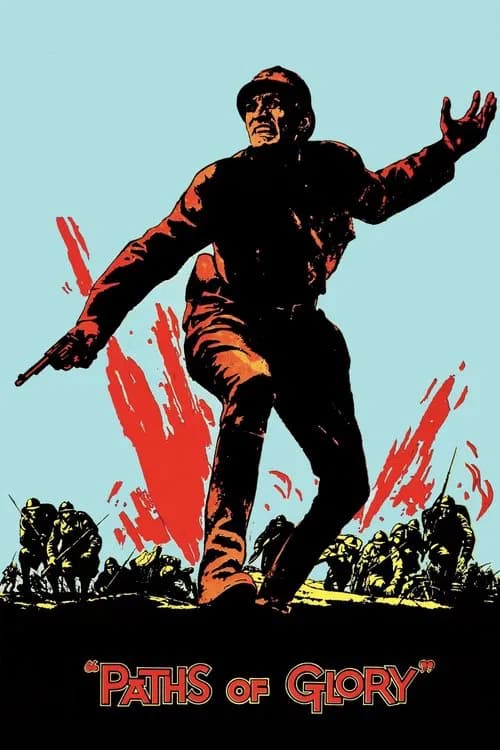
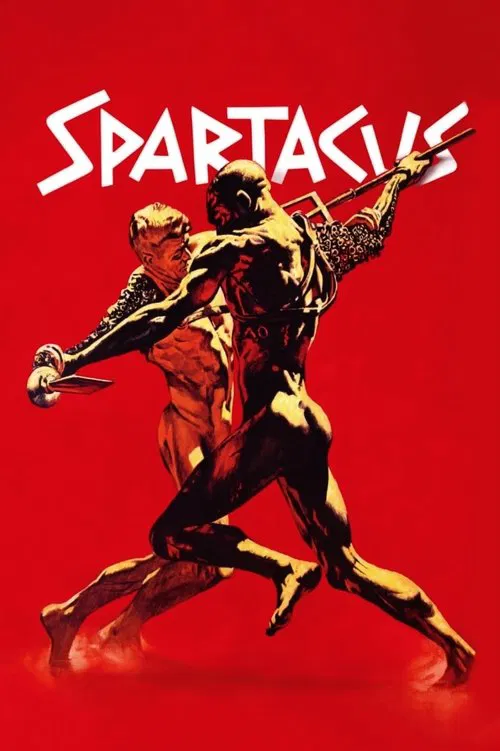
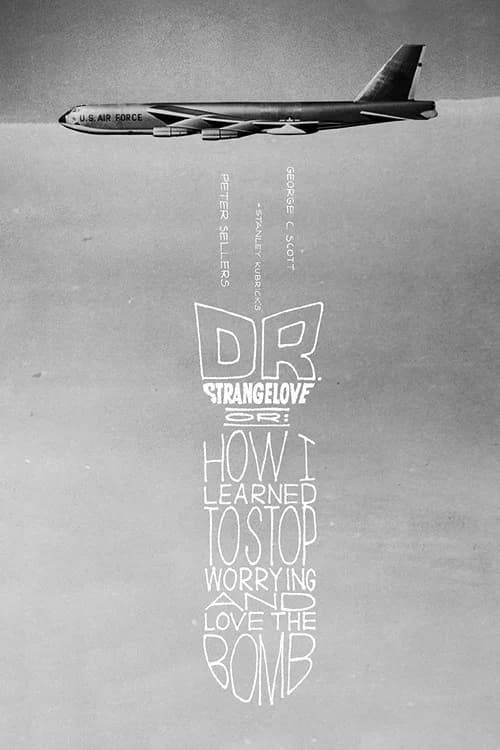
Stanley Kubrick directed The Killing, released in 1956. CineCode also covers Fear and Desire (1953), Killer's Kiss (1955), Paths of Glory (1957), Spartacus (1960), Lolita (1962), Dr. Strangelove (1964).
What films are similar to The Killing?
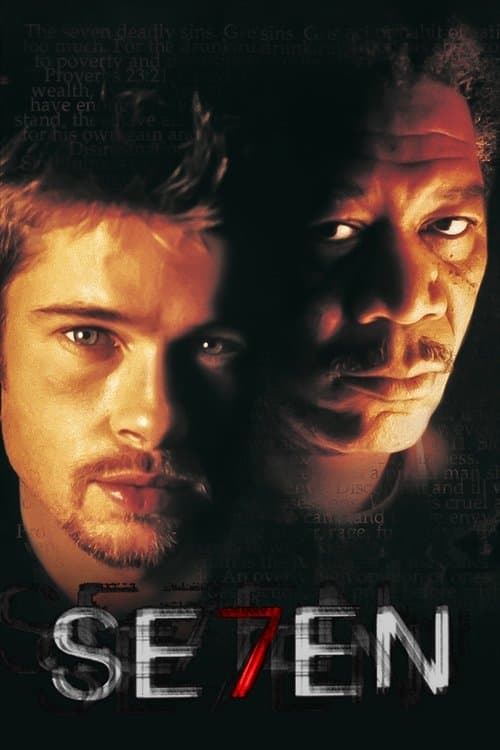
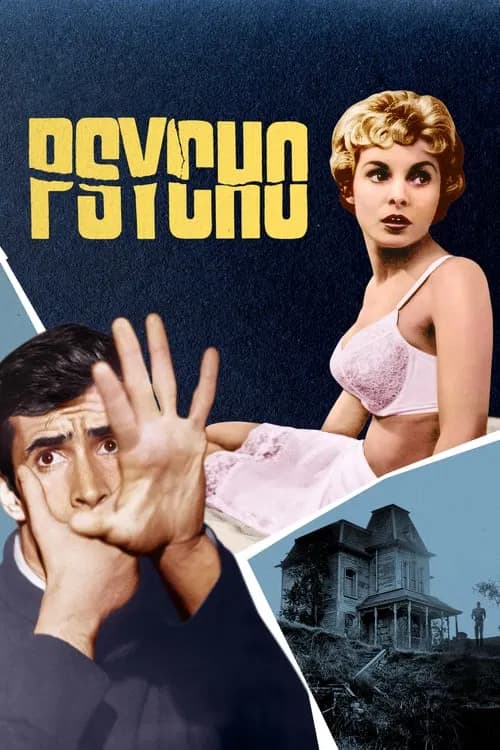
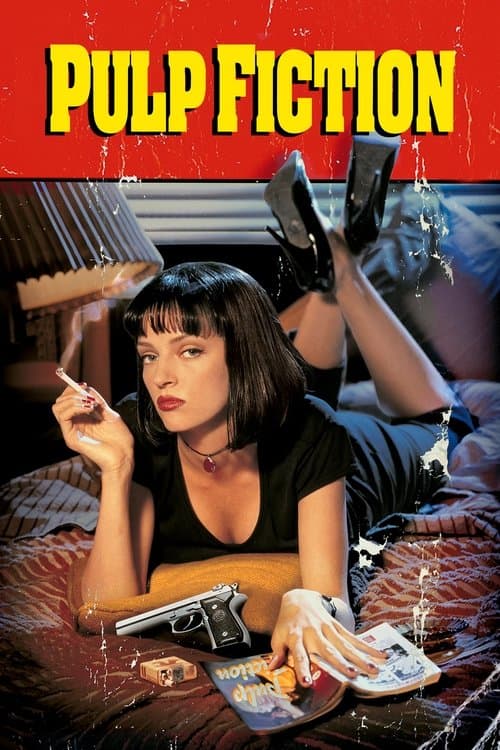
Films that share techniques with The Killing include Inception (2010), Pulp Fiction (1994), Se7en (1995), Psycho (1960).