History · Drama · Adventure

1492: Conquest of Paradise

Ridley Scott, 1992

Christopher Columbus sails west to find Asia, lands in the Caribbean, then returns to govern a colony that slides into violence. The film follows him from dreamer to a man blamed for what he started. Watch how the music and the jungle scenery carry the sense of wonder.

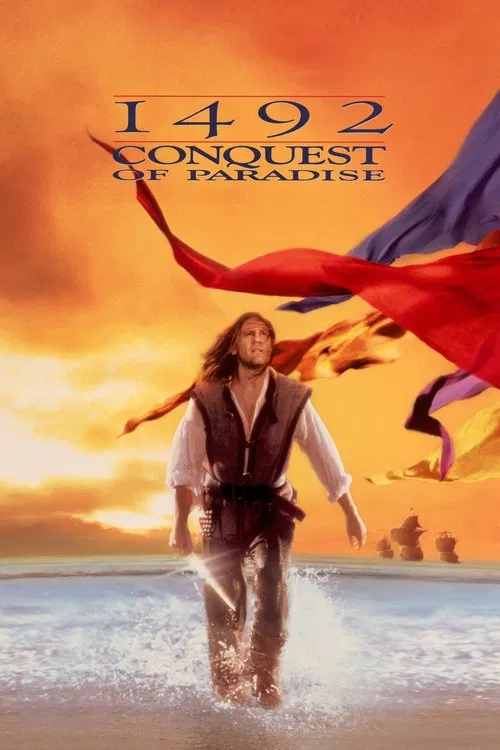
1492: Conquest of Paradise (1992) poster

At a glance

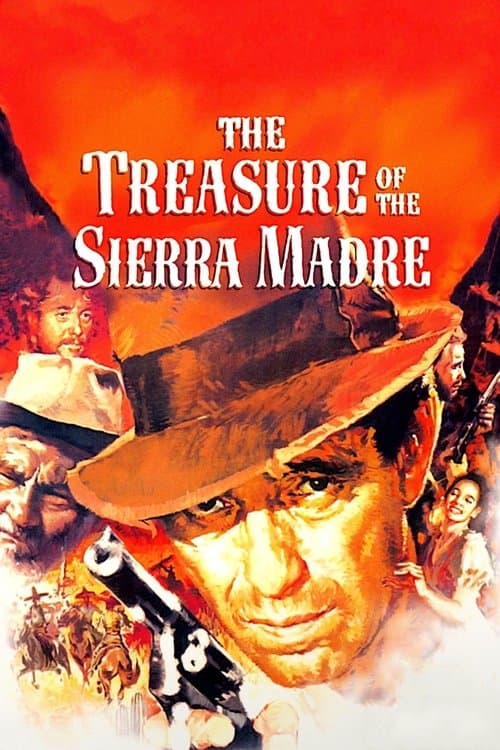
1492: Conquest of Paradise is a 1992 history, drama and adventure film directed by Ridley Scott. This breakdown covers 4 techniques (2 narrative, 1 cinematography and 1 sound), each with the scene where you can see it. If you like how it is made, The Treasure of the Sierra Madre uses several of the same techniques.

Narrative

Escalating Moral Stakes

Raising the ethical price of winning with each part of the story. Every compromise the characters make leads to a worse one, until they can't go back.

How this film uses it

The first meeting with the island people is friendly. On the second trip, the men Columbus left behind turn out to be dead. Later the natives are forced to mine for gold, and the nobleman Moxica cuts off a man's hand when he finds none. Each step makes the next one harder to undo, until the island is at war.

Where to see it

The gold mine: four years later, the natives are forced to dig for gold. After Moxica cuts off one man's hand, the tribes disappear into the forest.
Narrative

Character Arc Inversion

Taking a character to the opposite of where they started, such as from weak to strong or from decent to compromised. That reversal is what the film is about.

How this film uses it

Columbus begins as an outsider with a dream who needs ships. He ends as a forgotten old man, with credit for the discovery going to Amerigo Vespucci. In between, he governs the colony and is accused of nepotism. One reading is that the dream that made him likable is the thing that ruins him.

Where to see it

The return to Castile: after being replaced by de Bobadilla, Columbus goes back to Spain to be imprisoned, and his sons bail him out.

Cinematography

Landscape as Sacred Geography

Photographing real landscapes like mountains, plains and rivers so they feel mythic and full of meaning. The land becomes a spiritual and moral test the characters have to cross.

How this film uses it

After 9 weeks of open ocean, the mist clears and the crew sees the lush vegetation and sandy beaches of Guanahani. The New World scenes were shot on Costa Rica's Pacific coast, where about 10 sets were built on real beaches. The land looks like a paradise, which makes what follows feel like a fall.

Where to see it

The landfall: out of the mist, Columbus and his crew see the green shore of Guanahani.

Sound

Electronic Score

Scoring with synthesizers, club beats or electronic instruments. The texture can suggest a period, a mood or a character's inner state.

How this film uses it

Vangelis wrote and performed the score himself on synthesizers, adding a few acoustic players such as flamenco guitarists, a flute and a choir. He had already scored Blade Runner for Scott. The main theme became a hit away from the film and has since been used at sports events and political campaigns.

Where to see it

The Atlantic crossing: the ships go 9 weeks without sight of land, and Columbus tries to keep a restless crew from mutiny.

Questions

1492: Conquest of Paradise: quick answers

What filmmaking techniques does 1492: Conquest of Paradise use?
CineCode breaks down 4 techniques in 1492: Conquest of Paradise (1992): Escalating Moral Stakes, Character Arc Inversion, Landscape as Sacred Geography and Electronic Score.
Who directed 1492: Conquest of Paradise?
Ridley Scott directed 1492: Conquest of Paradise, released in 1992. CineCode also covers The Duellists (1977), Alien (1979), Blade Runner (1982), Legend (1985), Black Rain (1989), Thelma & Louise (1991).
What films are similar to 1492: Conquest of Paradise?
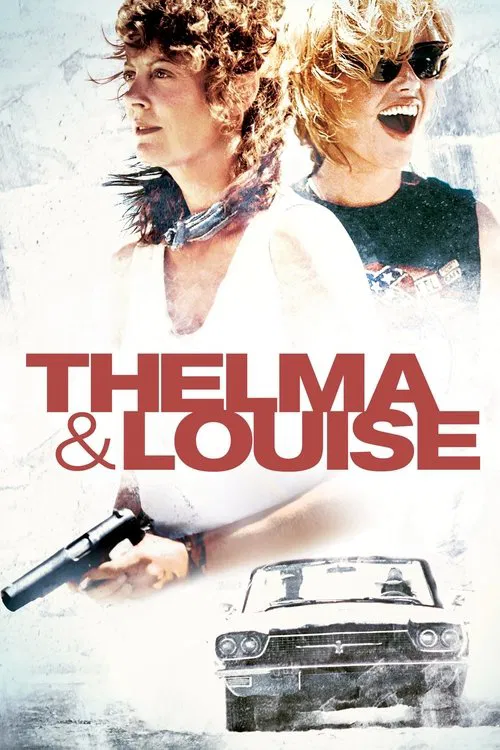
Films that share techniques with 1492: Conquest of Paradise include The Treasure of the Sierra Madre (1948), Thelma & Louise (1991), The Beach (2000), Silence (2016).