Adventure · Fantasy

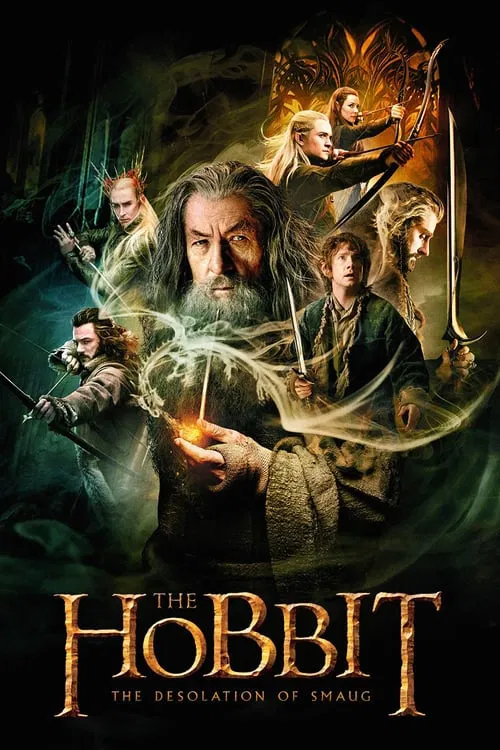
The Hobbit: The Desolation of Smaug

Peter Jackson, 2013

Bilbo and the dwarves push on toward the Lonely Mountain, facing giant spiders, wood-elves and orcs along the way. Inside the mountain, Bilbo comes face to face with the dragon Smaug. Worth watching as a filmmaker for the barrel chase down the river and the way Benedict Cumberbatch's motion capture became the dragon.

The Hobbit: The Desolation of Smaug (2013) poster

At a glance

The Hobbit: The Desolation of Smaug is a 2013 adventure and fantasy film directed by Peter Jackson. This breakdown covers 4 techniques (1 editing, 1 cinematography and 2 narrative), each with the scene where you can see it. If you like how it is made, The Polar Express uses several of the same techniques.

Editing

Kinetic Set Piece Architecture

Building an action sequence as a chain where each solution creates a new problem. The layout of the space stays clear, so the escalation follows its own logic.

How this film uses it

The dwarves escape in barrels down a river, and every fix brings a new problem. Elves shoot at them, orcs jump in and the barrels spin through rapids. The layout of the river stays clear, so the chaos follows its own logic.

Where to see it

Barrel escape: Bilbo helps the dwarves flee in empty wine barrels, with wood-elves and Bolg's orcs chasing them in a three-way fight on the river.
Cinematography

Performance Capture Pioneer

Recording an actor's body movements and facial expressions and using that data to drive a fully digital character. The human performance survives inside a non-human form.

How this film uses it

Benedict Cumberbatch gave Smaug both his voice and his motion capture. The dragon's sneer and the way he turns his head carry a human performance inside a giant digital body. You feel you are being talked down to by something very old and very clever.

Where to see it

Smaug in Erebor: Bilbo enters the Lonely Mountain for the Arkenstone and accidentally wakes Smaug, who knows about the dwarves' plan.

Narrative

Symbolic Object

Returning to the same physical object again and again until it means more than what it is. It moves the plot and also stands for the film's main ideas.

How this film uses it

The ring keeps coming back, and each time it shows what it does to Bilbo. When he drops it, he turns violent to get it back. It moves the plot and also stands for the way small temptations grow.

Where to see it

Mirkwood: After Bilbo drops the ring, he kills a giant centipede to retrieve it.

Narrative

Cliffhanger Ending

Ending the film at its most unresolved point, with the hero beaten, separated from others or in crisis. You are left waiting for a sequel to settle things.

How this film uses it

The film stops with Smaug leaving the mountain to attack Laketown, while Bilbo watches in despair. Gandalf is captured at the same time. You leave the cinema with every thread open.

Where to see it

Smaug escapes the gold: The dragon bursts out of the molten gold, leaves the mountain and flies off toward Laketown.

Questions

The Hobbit: The Desolation of Smaug: quick answers

What filmmaking techniques does The Hobbit: The Desolation of Smaug use?
CineCode breaks down 4 techniques in The Hobbit: The Desolation of Smaug (2013): Kinetic Set Piece Architecture, Performance Capture Pioneer, Symbolic Object and Cliffhanger Ending.
Who directed The Hobbit: The Desolation of Smaug?
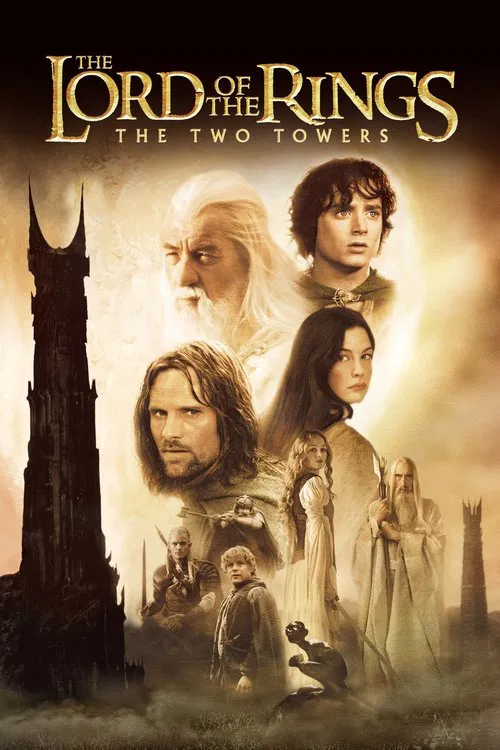
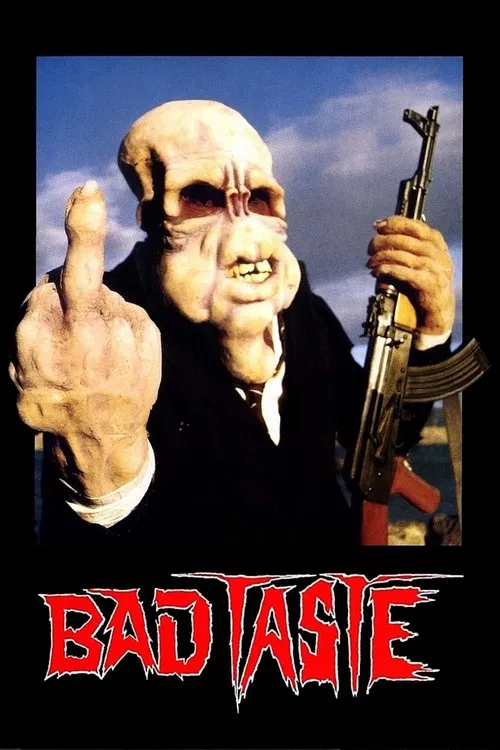
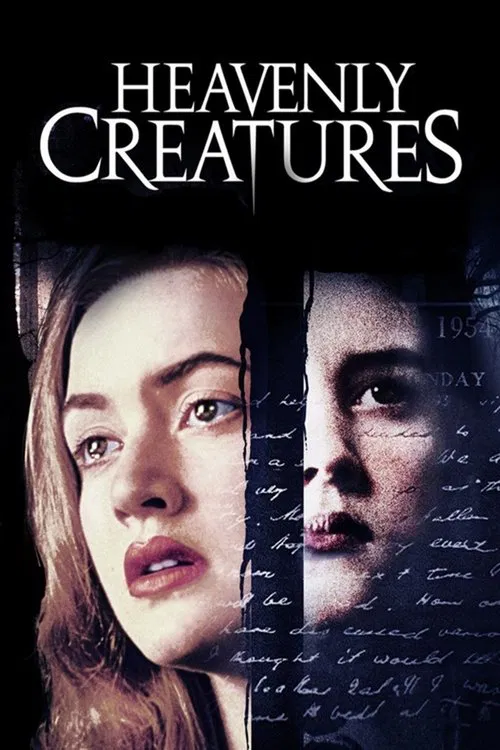
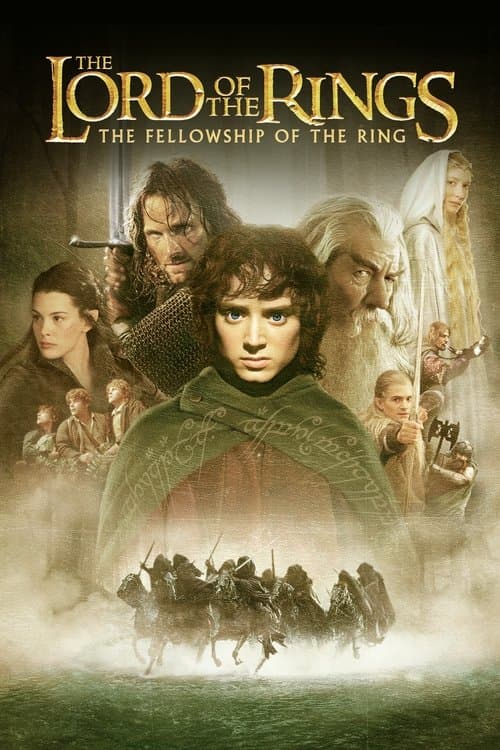
Peter Jackson directed The Hobbit: The Desolation of Smaug, released in 2013. CineCode also covers Bad Taste (1987), Braindead (1992), Heavenly Creatures (1994), The Frighteners (1996), The Lord of the Rings: The Fellowship of the Ring (2001), The Lord of the Rings: The Two Towers (2002).
What films are similar to The Hobbit: The Desolation of Smaug?
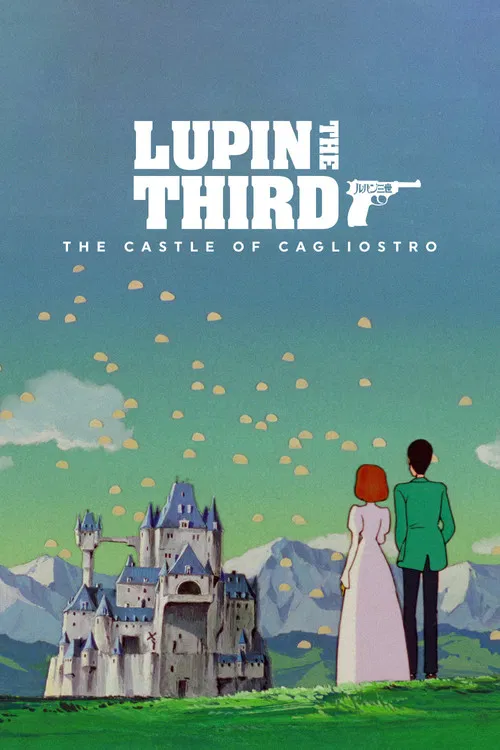
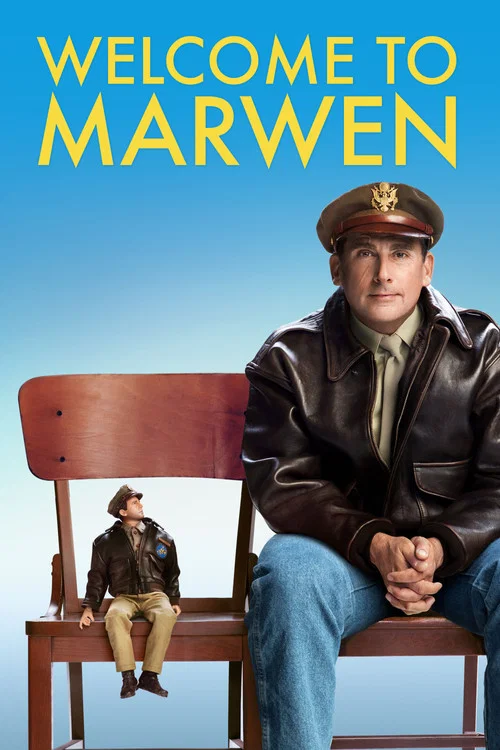
Films that share techniques with The Hobbit: The Desolation of Smaug include The Polar Express (2004), The Curious Case of Benjamin Button (2008), The Castle of Cagliostro (1979), Welcome to Marwen (2018).