Animation · Adventure · Family

The Polar Express

Robert Zemeckis, 2004

On Christmas Eve, a boy who doubts Santa boards a magical train to the North Pole. The journey tests his belief. Watch how Zemeckis uses motion capture to turn an actor's performance into animation.

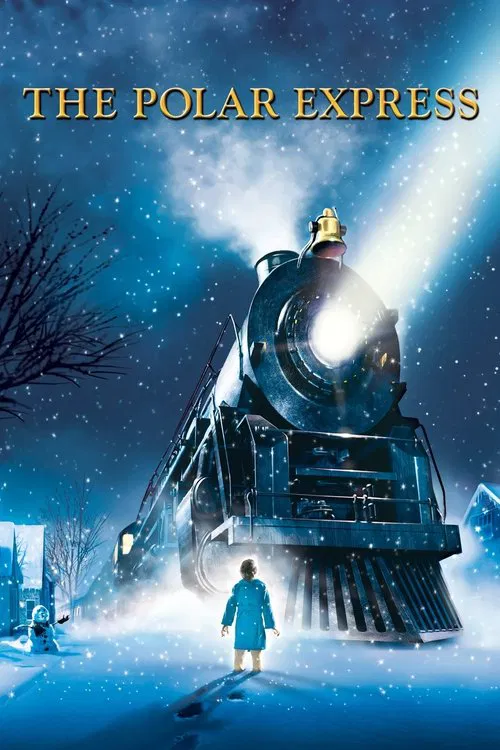
The Polar Express (2004) poster

At a glance

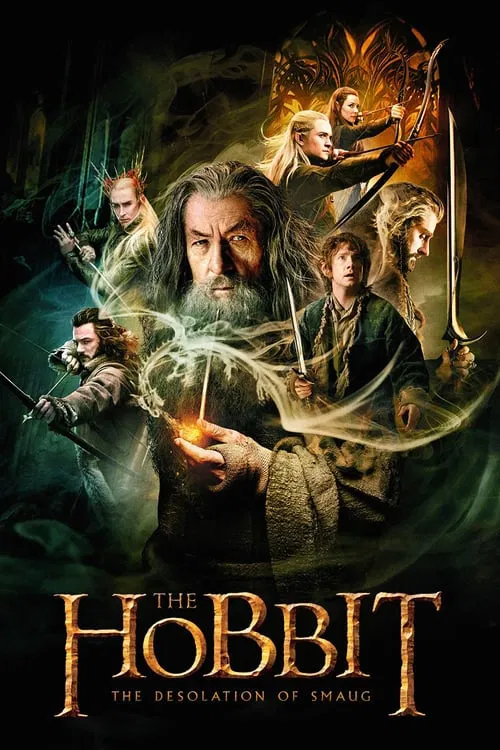
The Polar Express is a 2004 animation, adventure and family film directed by Robert Zemeckis. This breakdown covers 4 techniques (1 cinematography, 1 narrative, 1 editing and 1 psychology), each with the scene where you can see it. If you like how it is made, The Hobbit: The Desolation of Smaug uses several of the same techniques.

Cinematography

Performance Capture Pioneer

Recording an actor's body movements and facial expressions and using that data to drive a fully digital character. The human performance survives inside a non-human form.

How this film uses it

Tom Hanks played several roles, recorded as movement and facial data that drove digital characters. The human performance survives in the animation. It was an early large-scale test of the technique.

Where to see it

The conductor and the Hobo: Hanks plays the train's conductor as well as the Hobo and other characters.

Narrative

Symbolic Object

Returning to the same physical object again and again until it means more than what it is. It moves the plot and also stands for the film's main ideas.

How this film uses it

The sleigh bell returns again and again, and it means belief. Only those who believe can hear it. By the end, it stands for the film's whole idea.

Where to see it

The bell: A bell falls at Christopher's feet at the North Pole, and he can hear it only when he believes.

Editing

Kinetic Set Piece Architecture

Building an action sequence as a chain where each solution creates a new problem. The layout of the space stays clear, so the escalation follows its own logic.

How this film uses it

The runaway train sequence builds one problem on top of another. Caribou block the track, the throttle fails, the train speeds down a hill and onto a frozen lake. The path is clear, so you follow each escalation.

Where to see it

The runaway train: The train slides down a steep hill and onto a frozen lake before the engineer regains control.

Psychology

Uncanny

Making something familiar look slightly wrong, like an ordinary house or face that feels off. The dread comes from that strangeness, with no obvious threat on screen.

How this film uses it

Some critics found the digital human faces slightly unsettling. They look almost real but not quite. That can be read as a side effect of early performance capture.

Where to see it

The characters' faces: Some viewers felt the human characters looked slightly off as they spoke and moved.

Questions

The Polar Express: quick answers

What filmmaking techniques does The Polar Express use?
CineCode breaks down 4 techniques in The Polar Express (2004): Performance Capture Pioneer, Symbolic Object, Kinetic Set Piece Architecture and Uncanny.
Who directed The Polar Express?
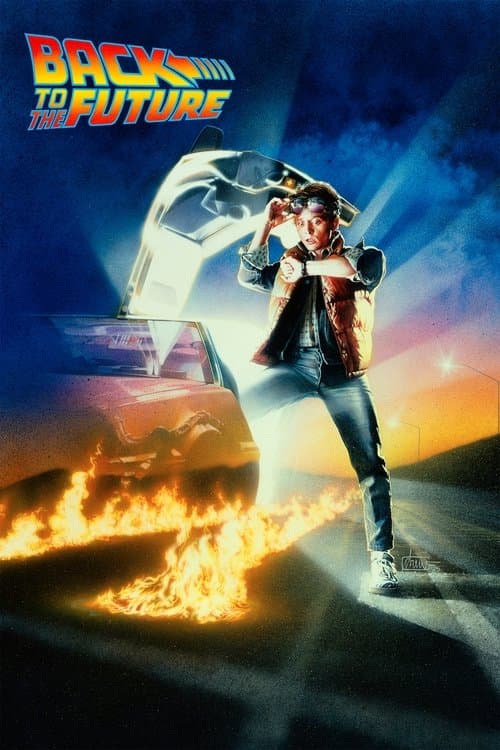
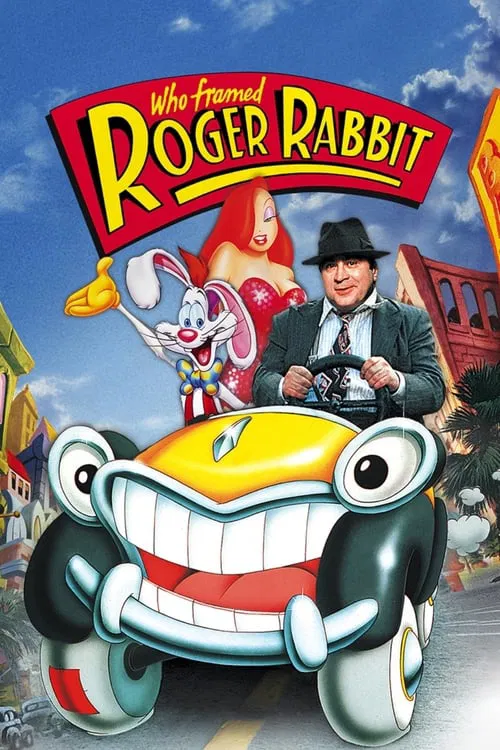
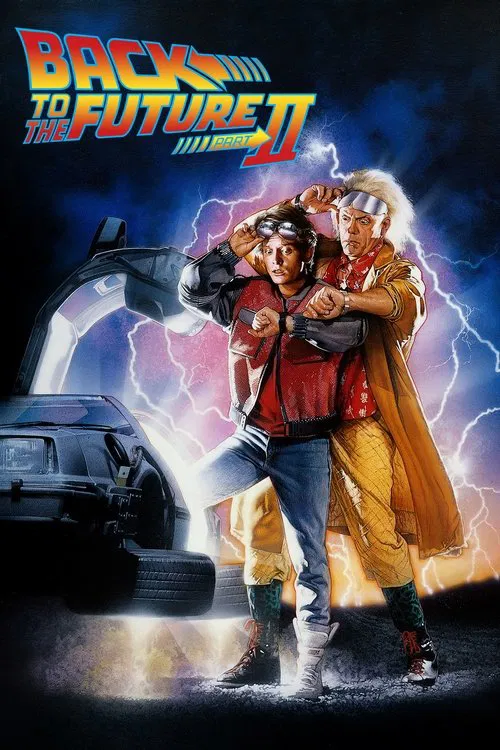
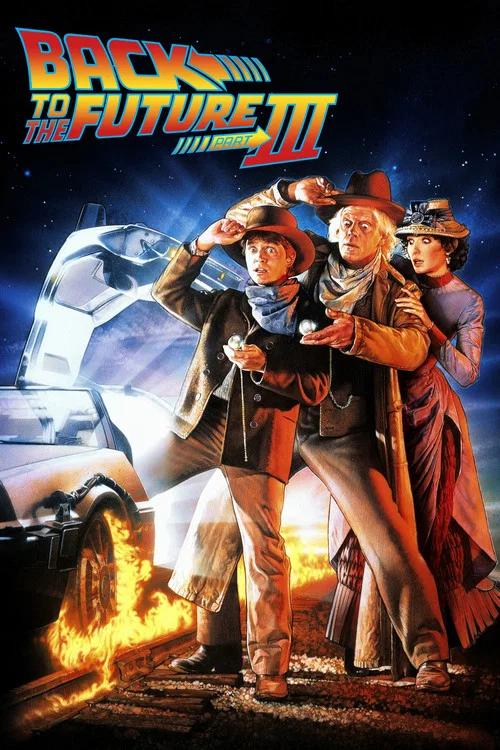
Robert Zemeckis directed The Polar Express, released in 2004. CineCode also covers Romancing the Stone (1984), Back to the Future (1985), Who Framed Roger Rabbit (1988), Back to the Future Part II (1989), Back to the Future Part III (1990), Death Becomes Her (1992).
What films are similar to The Polar Express?
Films that share techniques with The Polar Express include The Hobbit: The Desolation of Smaug (2013), The Curious Case of Benjamin Button (2008), The Castle of Cagliostro (1979), Welcome to Marwen (2018).