Comedy · Fantasy · Romance

The Purple Rose of Cairo

Woody Allen, 1985

In Depression-era New Jersey, a waitress in a bad marriage keeps escaping to the movies. One day the dashing hero of her favorite film steps off the screen and walks out with her. It is a charming way to think about why we need movies and what they cost us.

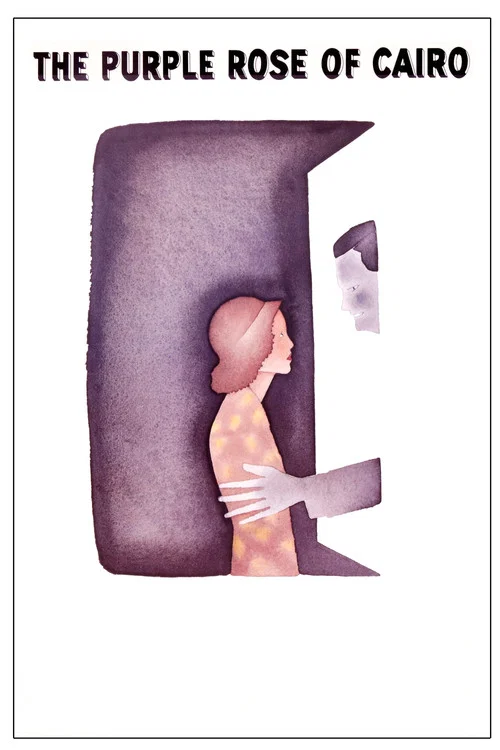
The Purple Rose of Cairo (1985) poster

At a glance

The Purple Rose of Cairo is a 1985 comedy, fantasy and romance film directed by Woody Allen. This breakdown covers 5 techniques (3 narrative, 1 cinematography and 1 sound), each with the scene where you can see it. If you like how it is made, The Man Who Killed Don Quixote uses several of the same techniques.

Narrative

Fiction Crossing Into Reality

Letting characters or stories cross the boundary between fiction and the real world inside the film. It plays with how much we rely on stories to cope with life.

How this film uses it

A character from a film steps off the screen into Cecilia's world. The other characters left behind on screen stop performing without him. The studio then sends the actor who plays him to fix things. Allen uses the idea to ask what movies promise us.

Where to see it

Tom Baxter leaves the screen. He notices Cecilia in the audience, steps out of the movie and runs off with her.
Cinematography

Film Within a Film

Showing a movie that the characters watch in a theater, as part of the story. The 2 films comment on each other, and the line between them can blur.

How this film uses it

The film shows Cecilia's cinema and the movie she keeps watching, also called The Purple Rose of Cairo. You see the characters inside it stuck, waiting and arguing with the audience. The 2 worlds mix when Baxter takes Cecilia into the film.

Where to see it

Inside the screen. Baxter takes Cecilia into the film world, where he defies his scripted romance.

Narrative

Expectation Collapse

Building up the usual genre expectations, like the villain getting caught and the climax approaching, then refusing to deliver them. Your own anticipation is what makes the letdown hit so hard.

How this film uses it

You expect the actor Gil Shepherd to rescue Cecilia from her life and take her to Hollywood. Cecilia chooses him and leaves her husband. Gil has already left, and his charm was a ploy to get Baxter back into the film. The letdown is sharp because the romance felt so real.

Where to see it

The ending. Cecilia is left behind after Gil leaves, with nothing to show for her choice.

Narrative

Sentimental Realism

Showing real social hardship and personal failure honestly while still letting love, grief and community matter. The film is openly emotional without pretending things are easy.

How this film uses it

The Depression is shown honestly. Cecilia is stuck in a wearying waitress job she soon loses, and has a husband, Monk, who is unfaithful and abusive. The film still lets her love of movies matter. It treats her escape as a real comfort.

Where to see it

The cinema. Cecilia sits alone watching Top Hat and starts to smile as Fred Astaire and Ginger Rogers dance.

Sound

Pop Music Needle Drop

Playing an existing popular song at a precise moment in the film. The song's lyrics, era and associations add irony, period feel or emotion that an original score could not.

How this film uses it

The film uses period standards at precise moments. The best is Fred Astaire singing Cheek to Cheek in the Top Hat clip she watches. The song carries the 1930s and the joy she cannot find elsewhere.

Where to see it

The Top Hat scene. Astaire and Rogers dance to Cheek to Cheek, and Cecilia's face changes as she watches.

Questions

The Purple Rose of Cairo: quick answers

What filmmaking techniques does The Purple Rose of Cairo use?
CineCode breaks down 5 techniques in The Purple Rose of Cairo (1985): Fiction Crossing Into Reality, Film Within a Film, Expectation Collapse, Sentimental Realism and Pop Music Needle Drop.
Who directed The Purple Rose of Cairo?
Woody Allen directed The Purple Rose of Cairo, released in 1985. CineCode also covers Take the Money and Run (1969), Bananas (1971), Everything You Always Wanted to Know About Sex *But Were Afraid to Ask (1972), Sleeper (1973), Love and Death (1975), Annie Hall (1977).
What films are similar to The Purple Rose of Cairo?
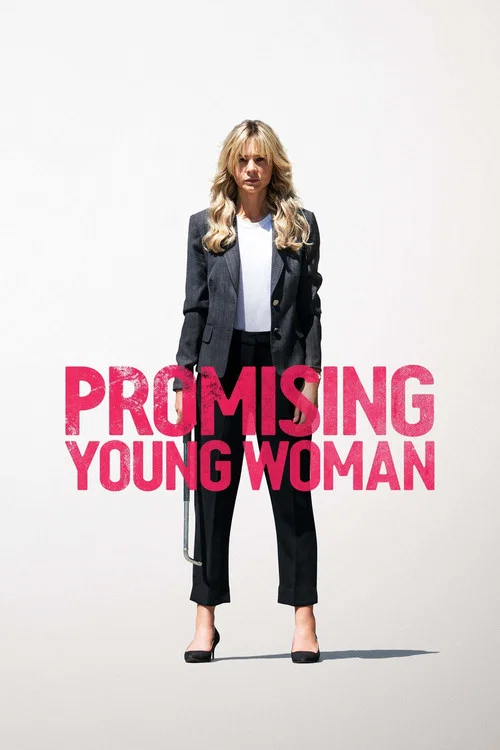
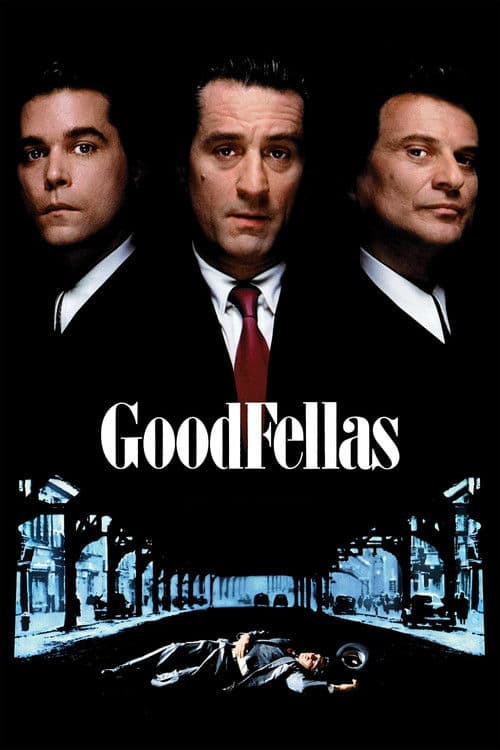
Films that share techniques with The Purple Rose of Cairo include The Man Who Killed Don Quixote (2018), In the Mouth of Madness (1995), Promising Young Woman (2020), Goodfellas (1990).