A narrator who talks to you
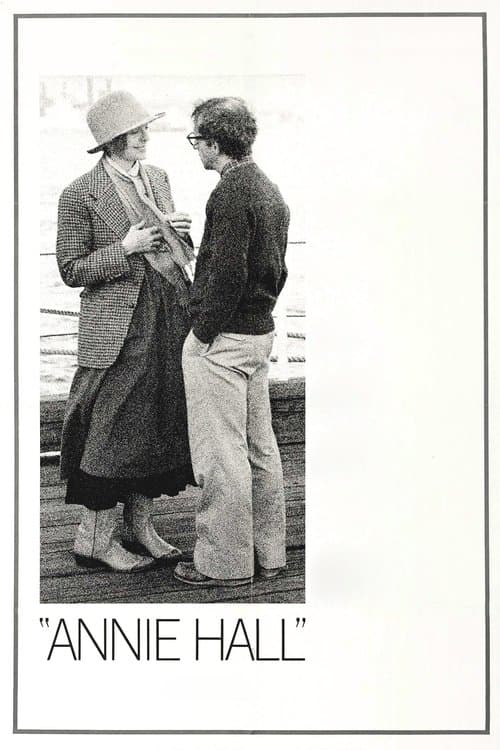
Annie Hall (1977) opens with Alvy talking straight to the camera before the story has even started. He keeps doing it all the way through, with corrections and asides, up to his final summary of the relationship. You end up as his therapist and his jury at once, and the film plays like a long monologue aimed at you.
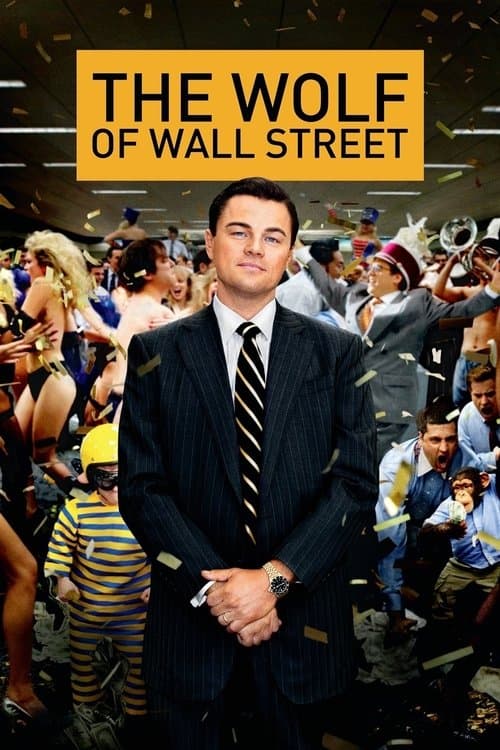
The Wolf of Wall Street (2013) uses the same move to sell you something. Jordan Belfort turns to the camera to explain stock commissions, introduce people and correct himself mid-sentence. He treats you like a confidant, and it works. By the time you'd want to judge him, you've already had fun with his crimes.
A glance that makes you a partner
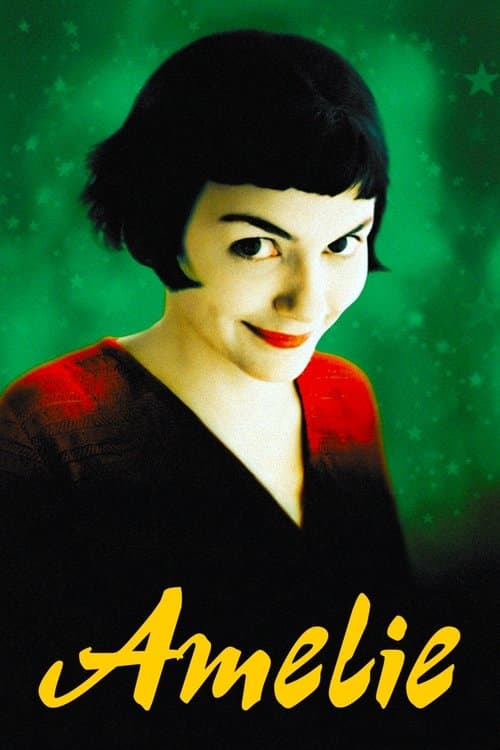
Amélie (2001) breaks the wall gently. Every so often, in the middle of one of her schemes, Amélie looks at the camera and shares the fun with you. It's a small look. It still makes you part of the plan, and that warmth is pretty much what the whole film is built to give you.
Comedy that knows it's a movie
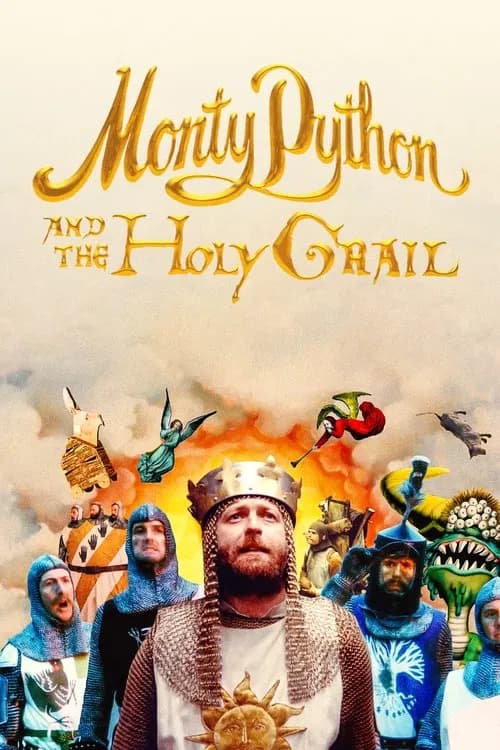
Monty Python and the Holy Grail (1975) breaks the fourth wall all the time. Characters acknowledge the camera and the budget, and they openly admit they're fictional. When a knight kills a historian, it becomes a plot point with consequences in the real world. The French castle taunters aim their insults at the camera, which pulls you into the joke along with the knights.
Eyes on the lens
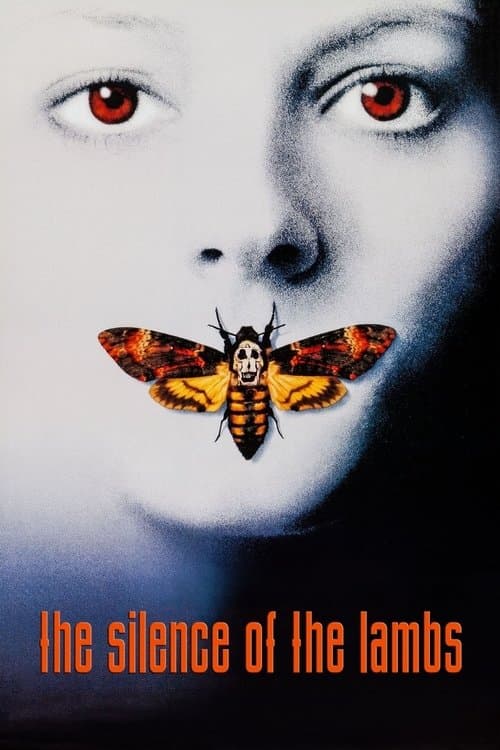
The Silence of the Lambs (1991) shoots most conversations with the characters looking straight into the lens. With Lecter, that's frightening, because you're the one he seems to be studying. In his first meeting with Clarice, his eyes stay on the camera. When Clarice looks into it, her nerves feel like they're aimed at you too.
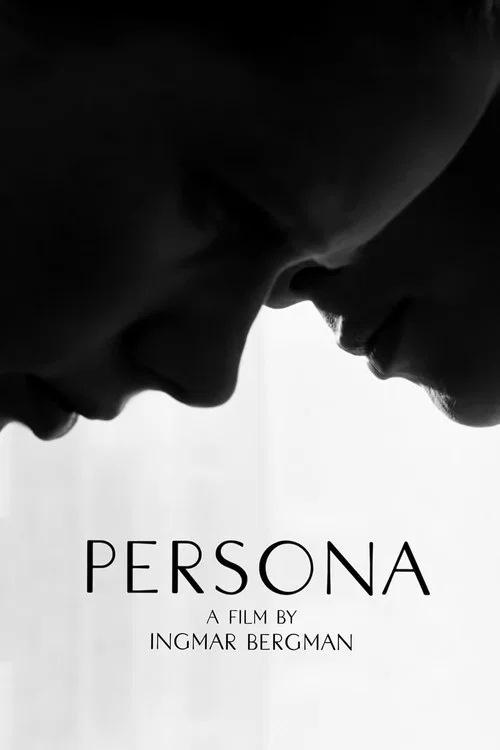
Persona (1966) does it with silence. Elisabeth stares into the camera several times and says nothing. Nothing in the film explains the look or resolves it. You suddenly feel the film looking back at you, and it's as hard to read as her silence has been.
When the film admits it's a film
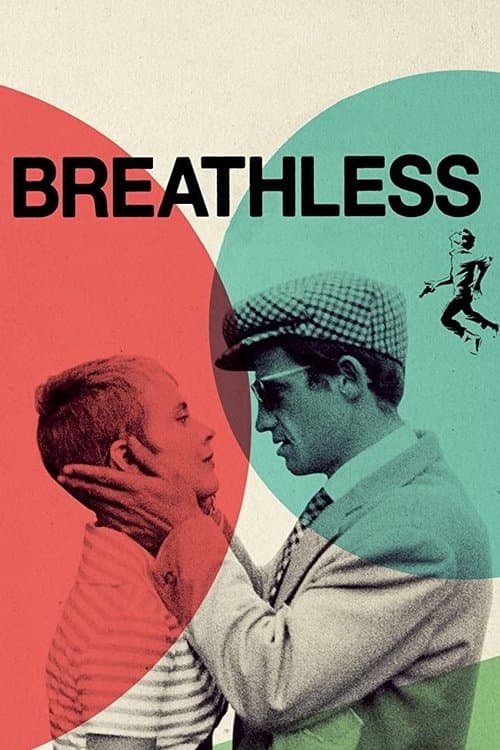
Breathless (1960) does it once with Patricia. She glances at the camera on purpose, and nothing explains it. In that moment, the film owns up to being a film, and your own watching becomes part of what's being examined. Michel also talks out loud to the camera while driving a stolen car, and his running commentary pulls you into a point of view you probably shouldn't trust.
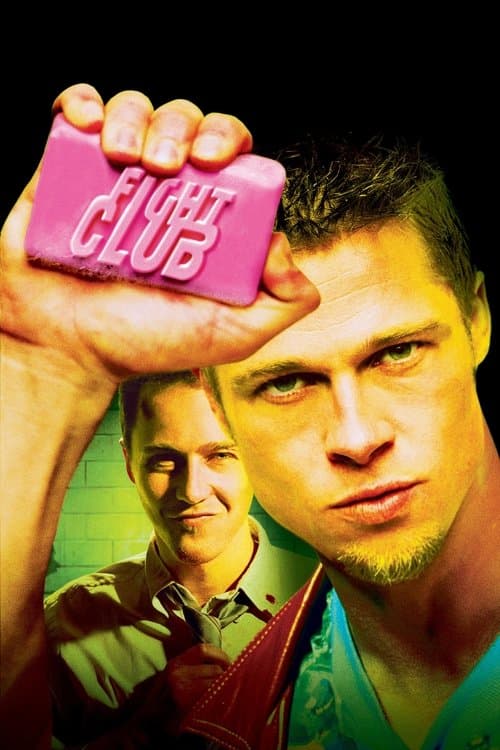
Fight Club (1999) has the Narrator speaking to 'you' in his voiceover throughout. In the final frame, the film acknowledges that it's a film. By then, you've spent 2 hours being talked into ideas by a voice that was addressing you the whole time, and that makes you a partner in them.
A speech for the real audience
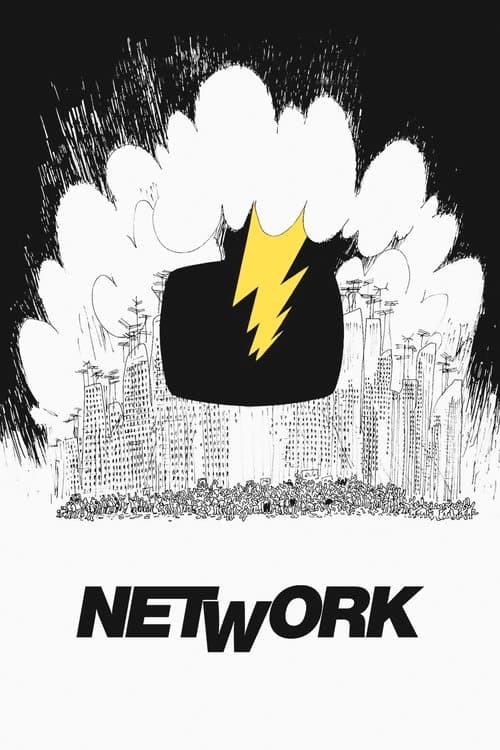
In Network (1976), Howard Beale's 'mad as hell' broadcast speaks to 2 audiences. One is the TV viewers inside the story, and the other is you in the cinema. When he tells people to shout it, the line between those 2 audiences disappears.
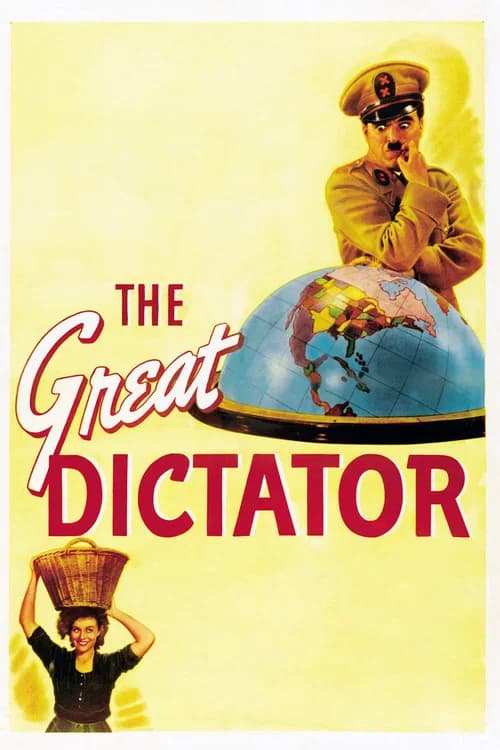
The Great Dictator (1940) ends with the boldest break on this list. The Barber gives a final speech, and partway through he turns into Chaplin himself, talking to the world in 1940 about fascism and hope. The comedy is set aside so he can say what he actually means. I feel like it still lands today because he stops pretending.
How to use this when you watch
When a character looks at you, ask what the film wants from you in that moment. Sometimes it wants a laugh. Sometimes it wants you to feel a bit guilty about what you just enjoyed. Either way, think back over the scene before it, since knowing you were being spoken to usually changes how it reads.
More guides
- Film Noir Lighting Explained: 8 Films That Nail It
- How Directors Build Suspense: 8 Films That Show You How
- Unreliable Narrator Movies Explained: 9 Films That Fool You
- Non-Linear Movies Explained: 8 Films Told Out of Order
- Long Takes and Oners Explained: 9 Famous One-Shot Scenes
- How Color Tells the Story: 9 Films With Meaningful Palettes