Drama · Fantasy · Comedy

The Fisher King

Terry Gilliam, 1991

Radio host Jack Lucas is ruined when a caller acts on his on-air cruelty and kills seven people. Years later, drunk and suicidal, he is saved by Parry, a homeless man who believes he is on a quest for the Holy Grail. Jack tries to repay him. Watch how Gilliam mixes comedy, fantasy and grief in one New York.

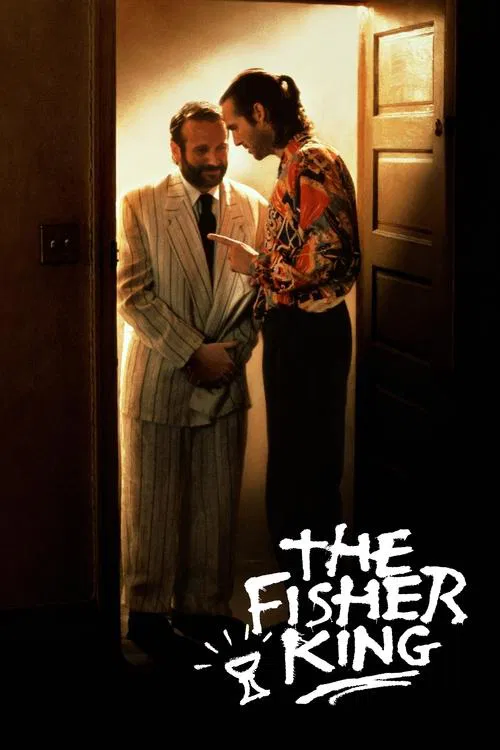
The Fisher King (1991) poster

At a glance

The Fisher King is a 1991 drama, fantasy and comedy film directed by Terry Gilliam. This breakdown covers 5 techniques (1 psychology, 3 narrative and 1 cinematography), each with the scene where you can see it. If you like how it is made, Cassandra's Dream uses several of the same techniques.

Psychology

Guilt as Hidden Motive

Letting a character's guilt over a past wrong shape what they do now. The wrong may come out late or only be hinted at, but it colors every choice.

How this film uses it

Jack's guilt over Edwin's massacre drives everything he does afterward. Three years later he drinks and hides from being recognized. Helping Parry is the only way he can think of to pay for it.

Where to see it

The news report. Jack learns from TV that his on-air comments pushed Edwin to kill seven people and then himself.
Narrative

Myth Retold in Modern Setting

Mapping an ancient myth, epic or historical event onto a contemporary or invented setting, so the old pattern gives the new story weight and inevitability.

How this film uses it

Parry tells Jack the legend of the Fisher King, a king wounded by pride who is healed when a fool gives him a cup of water. The film maps that legend onto present-day Manhattan. The old story gives a messy, modern plot a shape.

Where to see it

Parry's retelling of the legend. He tells Jack that a fool gave the king a drink of water without knowing the cup was the Grail.

Cinematography

Visual Literalization of Inner State

Showing an inner problem as something you can see, such as a visible lie, a blurred actor or a fully built imagination. The idea becomes a physical sight.

How this film uses it

Parry's terror takes the form of a huge armored Red Knight that chases him through the city. You see his trauma as a monster instead of hearing it explained. The knight also tells you why he cannot live normally.

Where to see it

The Red Knight chase. Parry runs while a giant armored rider storms after him.

Narrative

Symbolic Object

Returning to the same physical object again and again until it means more than what it is. It moves the plot and also stands for the film's main ideas.

How this film uses it

A trophy cup in a mansion becomes the Holy Grail for Parry. Jack's decision to break in and steal it shows he is ready to act for someone else. The cup carries the film's idea that small kindness can heal.

Where to see it

The mansion break-in. Jack sneaks into a mansion to take the trophy cup Parry believes is the Grail.

Narrative

Public Space Turned Dance

Having ordinary people in a public place break into coordinated movement, so a private feeling becomes a shared event.

How this film uses it

In Grand Central Station, Parry watches Lydia, the woman he secretly loves, and the rush-hour commuters begin to waltz around him. A crowd of strangers becomes his dance partners for a minute. It shows you how lovely the world looks from inside his head.

Where to see it

The Grand Central waltz. During rush hour, commuters pair off and waltz while Parry watches Lydia walk through the hall.

Questions

The Fisher King: quick answers

What filmmaking techniques does The Fisher King use?
CineCode breaks down 5 techniques in The Fisher King (1991): Guilt as Hidden Motive, Myth Retold in Modern Setting, Visual Literalization of Inner State, Symbolic Object and Public Space Turned Dance.
Who directed The Fisher King?
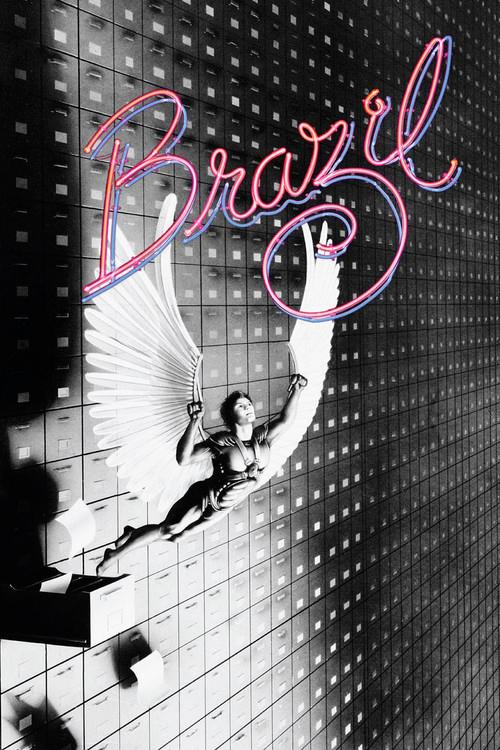
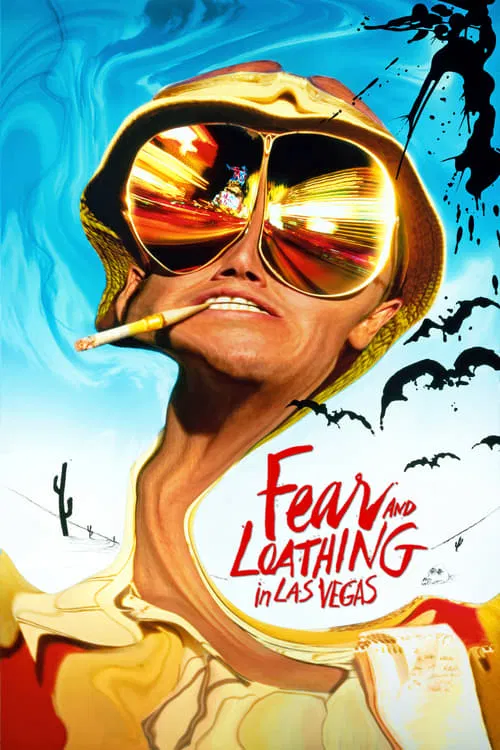
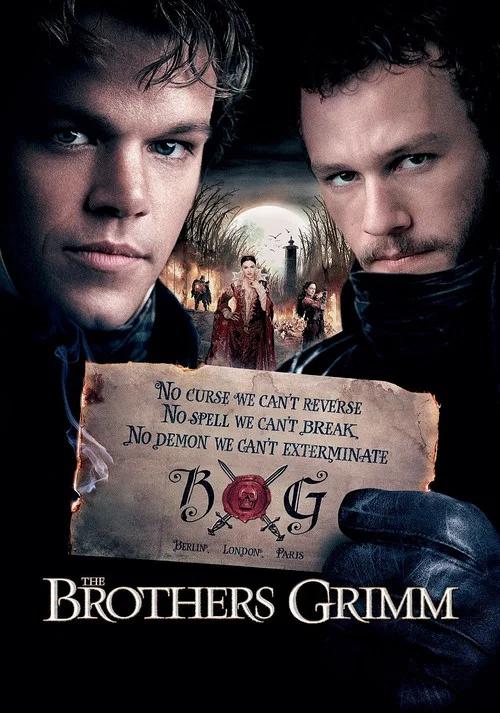
Terry Gilliam directed The Fisher King, released in 1991. CineCode also covers Monty Python and the Holy Grail (1975), Time Bandits (1981), Brazil (1985), Twelve Monkeys (1995), Fear and Loathing in Las Vegas (1998), The Brothers Grimm (2005).
What films are similar to The Fisher King?
Films that share techniques with The Fisher King include Cassandra's Dream (2007), Nostalgia (1983), Ain't Them Bodies Saints (2013), Gran Torino (2008).