Horror · Mystery · Thriller

What Lies Beneath

Robert Zemeckis, 2000

Claire Spencer is a former cellist whose daughter has left for college. She begins to sense a presence in her Vermont lake house. Watch how Zemeckis builds a ghost story from slow Hitchcock-style suspense.

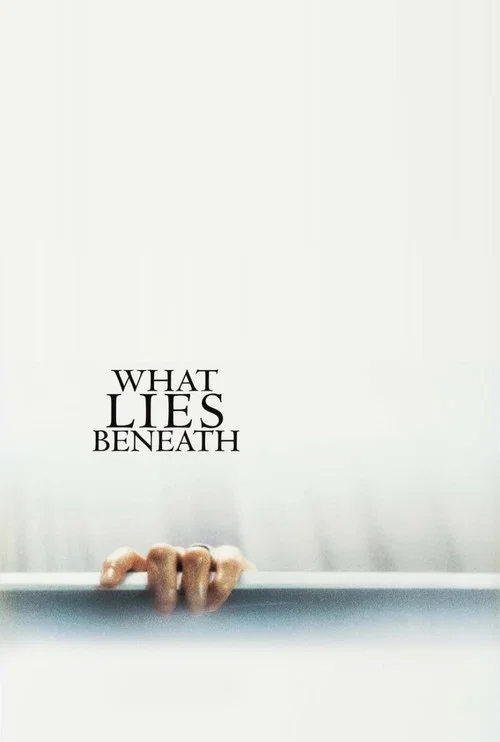
What Lies Beneath (2000) poster

At a glance

What Lies Beneath is a 2000 horror, mystery and thriller film directed by Robert Zemeckis. This breakdown covers 4 techniques (2 narrative, 1 psychology and 1 cinematography), each with the scene where you can see it. If you like how it is made, I Saw the TV Glow uses several of the same techniques.

Narrative

Slow Burn Horror Pacing

Spending a long time on normal life, character and atmosphere before any real threat arrives. Dread builds bit by bit, so the climax feels inevitable and devastating when it comes.

How this film uses it

The film spends a long time on Claire's quiet life and her suspicions about her neighbors. Small strange events build the dread bit by bit. The slow pace makes the later scares feel earned.

Where to see it

The early weeks: Claire settles into a quiet house, notices odd events, and gradually becomes uneasy.
Psychology

Uncanny

Making something familiar look slightly wrong, like an ordinary house or face that feels off. The dread comes from that strangeness, with no obvious threat on screen.

How this film uses it

Ordinary things are slightly wrong. A bathtub fills by itself, and a woman's reflection appears in it. The scares come from familiar rooms turning strange.

Where to see it

The bathtub: Claire sees the tub fill with water on its own and a reflection of a woman in it.

Cinematography

Voyeuristic Implication

Placing the camera like a hidden watcher, looking through peepholes, around corners and from concealed spots. You become part of the spying, which makes watching feel morally uneasy.

How this film uses it

Claire watches her neighbors, and you watch with her. The film borrows the feeling of Hitchcock's spying thrillers. It makes you complicit in her suspicion.

Where to see it

The neighbors: Claire suspects Warren Feur of killing his wife and watches the house next door.

Narrative

Retroactive Reframing Revelation

Saving a reveal for the climax that changes the meaning of every scene before it. You have to rebuild the whole film in your head with the new knowledge.

How this film uses it

The big turn changes the earlier scenes. The ghost Claire has been following belongs to someone she did not suspect, and her husband's calm behavior now looks sinister. You can re-read the early scenes with that knowledge.

Where to see it

The reveal: Claire learns that her husband Norman had an affair with Madison Frank and killed her when she threatened to expose it.

Questions

What Lies Beneath: quick answers

What filmmaking techniques does What Lies Beneath use?
CineCode breaks down 4 techniques in What Lies Beneath (2000): Slow Burn Horror Pacing, Uncanny, Voyeuristic Implication and Retroactive Reframing Revelation.
Who directed What Lies Beneath?
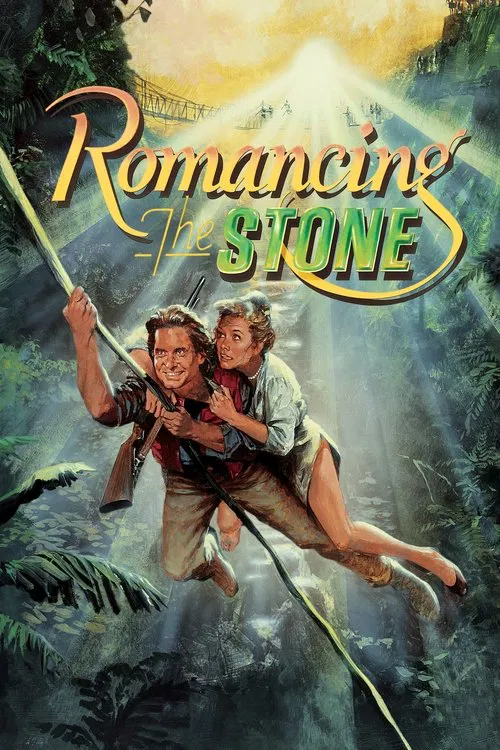
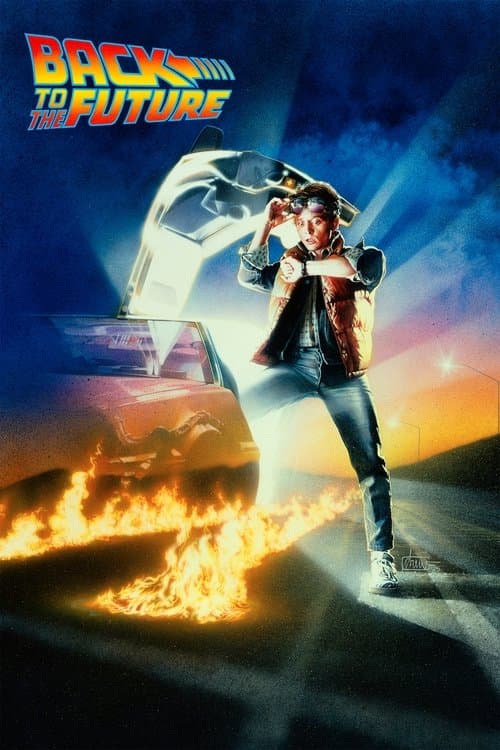
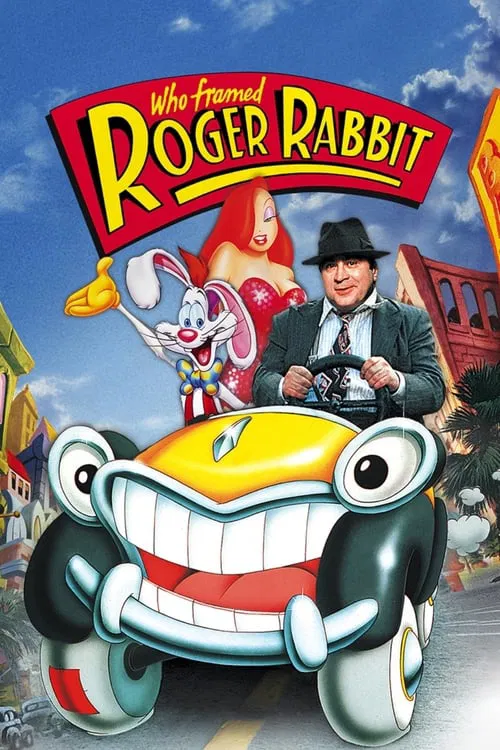
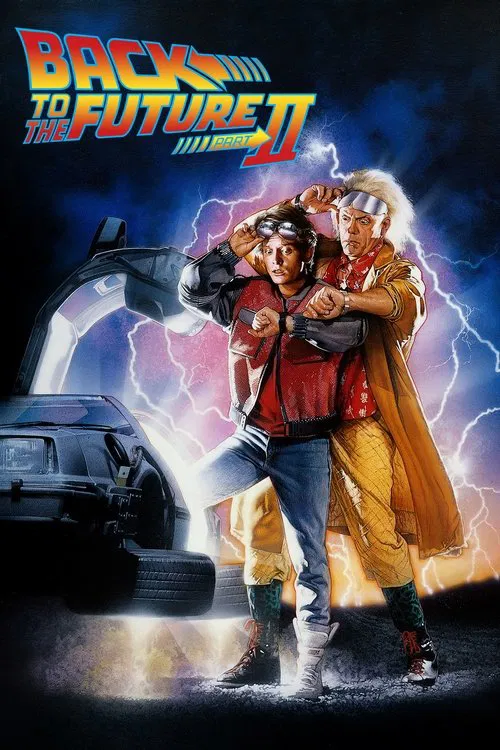
Robert Zemeckis directed What Lies Beneath, released in 2000. CineCode also covers Romancing the Stone (1984), Back to the Future (1985), Who Framed Roger Rabbit (1988), Back to the Future Part II (1989), Back to the Future Part III (1990), Death Becomes Her (1992).
What films are similar to What Lies Beneath?
Films that share techniques with What Lies Beneath include I Saw the TV Glow (2024), Mulholland Drive (2001), Star Wars: The Empire Strikes Back (1980), Psycho (1960).