Narrative technique · used in 12 films

Slow Burn Horror Pacing

Spending a long time on normal life, character and atmosphere before any real threat arrives. Dread builds bit by bit, so the climax feels inevitable and devastating when it comes.

Examples

12 films that use it

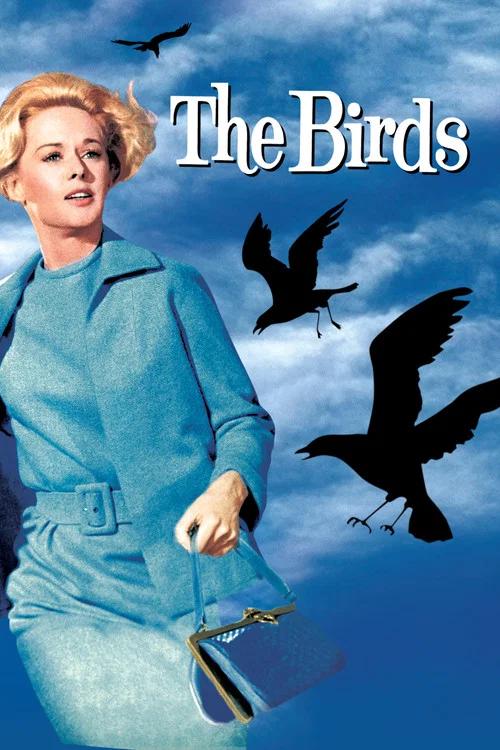
  1. The Birds (1963) poster

    The Birds

    Alfred Hitchcock · 1963

    The first stretch of the film plays like a romantic comedy about Melanie and Mitch flirting and trading insults. A single gull strike is the only warning. Because the film spends so long on ordinary small-town life, the attacks feel like they are breaking into a different movie.

    Where to see it: Melanie's arrival in Bodega Bay. She sneaks the lovebirds into the Brenner house and crosses back over the bay, and a gull strikes her head just as she reaches the dock.
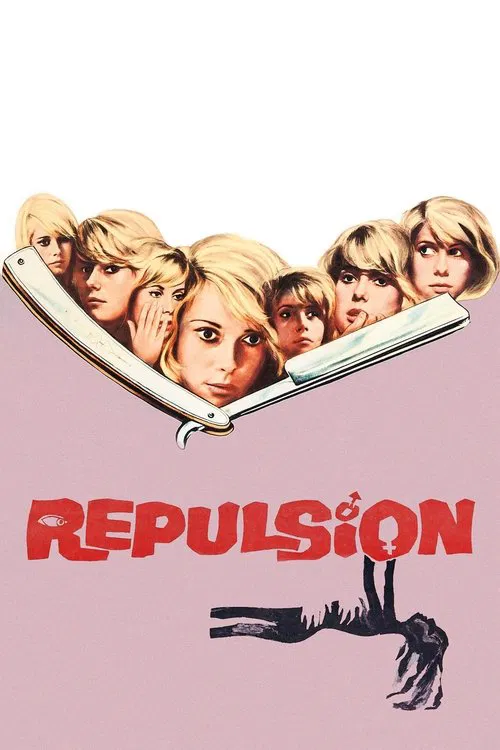
  2. Repulsion (1965) poster

    Repulsion

    Roman Polanski · 1965

    For a long time the film is quiet. Carol drifts through the salon, her dates with Colin and her sister's relationship with Michael. When her sister leaves for Italy, the dread builds over days alone.

    Where to see it: The start of her isolation: Helen and Michael leave for Italy, leaving Carol alone in the apartment. She stops going to work.

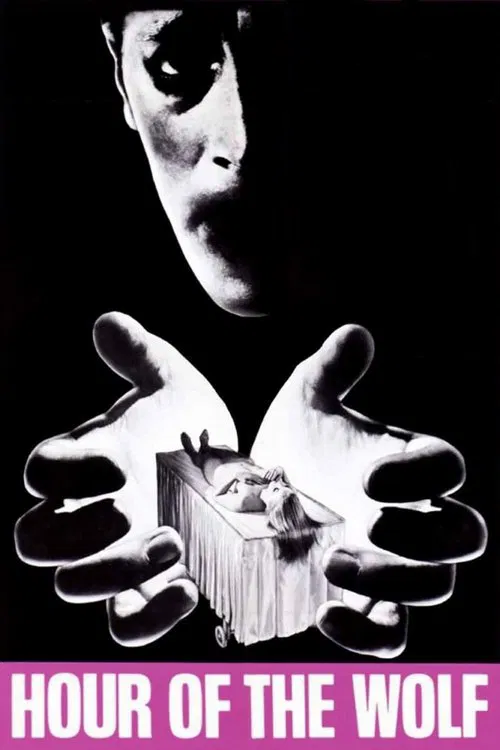
  3. Hour of the Wolf (1968) poster

    Hour of the Wolf

    Ingmar Bergman · 1968

    The first half is a quiet portrait of a couple on an island, with a painter who cannot sleep and a wife who stays up with him. The odd details pile up slowly. By the time the castle appears, you already feel the dread.

    Where to see it: The diary: an elderly woman tells Alma to read Johan's diary, and she learns he is haunted by his former lover Veronica Vogler.

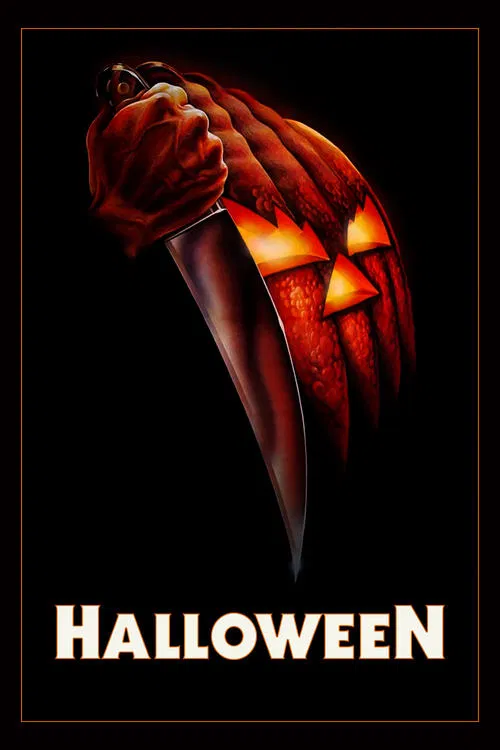
  4. Halloween (1978) poster

    Halloween

    John Carpenter · 1978

    Most of the film is an ordinary Halloween for Laurie: school, walking home, babysitting and phone calls with friends. Michael watches the whole time, but the killing of the teenagers doesn't start until night falls. By then, you have been waiting for it for most of the film.

    Where to see it: Laurie's babysitting night. She carves a jack-o'-lantern and watches movies with Tommy, while across the street Michael moves through the house where her friends are.

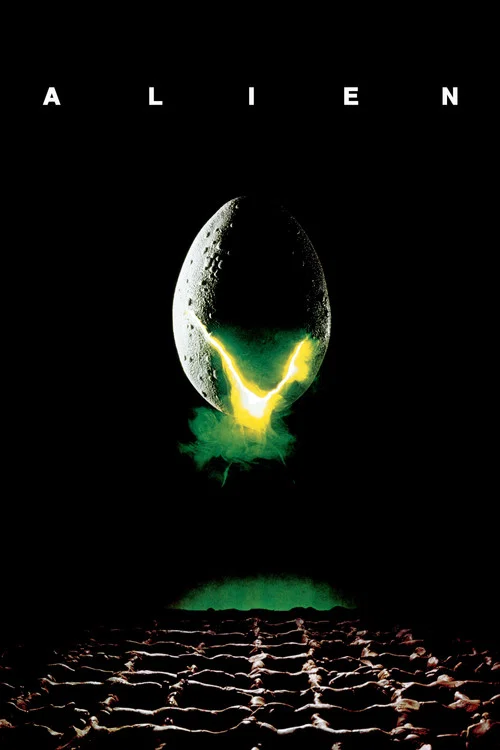
  5. Alien (1979) poster

    Alien

    Ridley Scott · 1979

    Scott spends the first scenes on the Nostromo crew doing boring, unheroic things: eating, arguing about bonuses, complaining about the ship. The threat arrives late. By the time the alien is aboard, you know the crew as people, and nobody feels like a stock horror movie character.

    Where to see it: The crew's first meal on the Nostromo. It is ordinary bickering around a table before anything goes wrong.

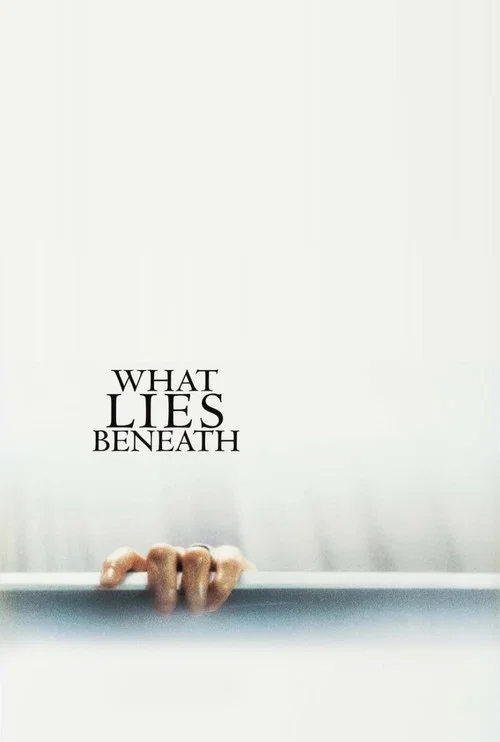
  6. What Lies Beneath (2000) poster

    What Lies Beneath

    Robert Zemeckis · 2000

    The film spends a long time on Claire's quiet life and her suspicions about her neighbors. Small strange events build the dread bit by bit. The slow pace makes the later scares feel earned.

    Where to see it: The early weeks: Claire settles into a quiet house, notices odd events, and gradually becomes uneasy.

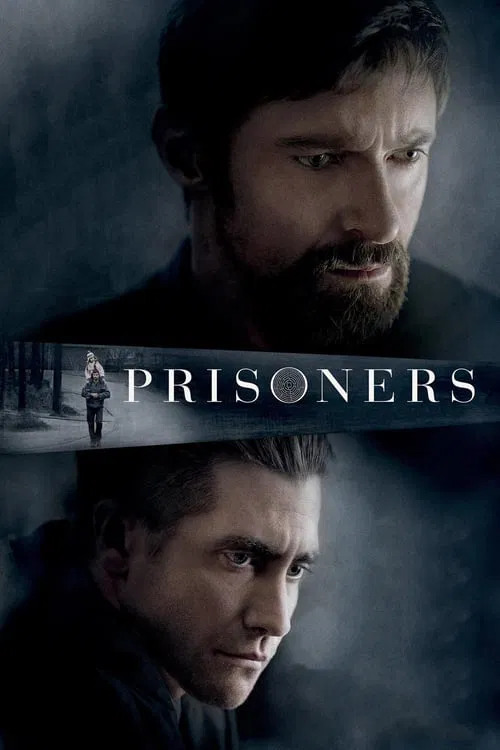
  7. Prisoners (2013) poster

    Prisoners

    Denis Villeneuve · 2013

    Villeneuve lets the film breathe at 153 minutes and refuses the usual thriller pacing. The horror builds through Keller's step-by-step moral collapse, Loki's growing frustration and the parents falling apart. The climax is devastating because the film has spent 2 and a half hours earning it.

    Where to see it: The sequence of Keller's escalating violence against Alex. The horror here comes from watching a good man steadily turn into someone you can't recognize.

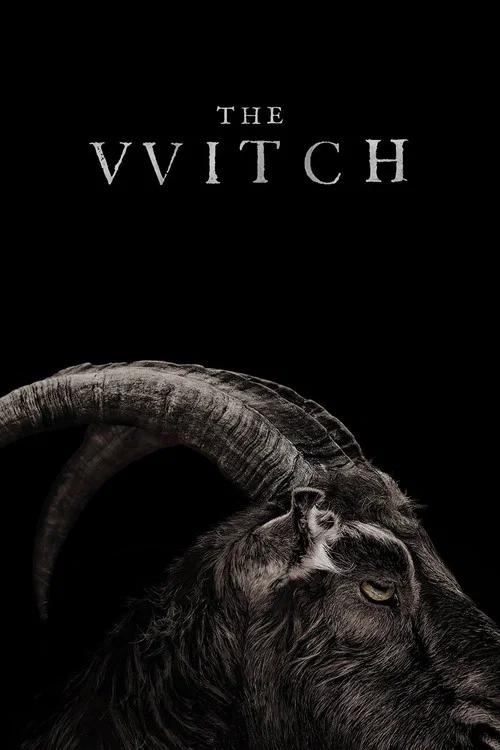
  8. The Witch (2015) poster

    The Witch

    Robert Eggers · 2015

    Eggers uses no jump scares at all. The horror seeps in through the grey skies, the failing crops and the goat's unblinking eye. In time, the supernatural feels like the only possible explanation for what the family is going through.

    Where to see it: The long early scenes of the family at work in their fields. The forest is always there at the edge of the frame, and the dread arrives before anything happens.

  9. Thelma (2017) poster

    Thelma

    Joachim Trier · 2017

    For a long time, the film seems to be about a shy student making a friend. The dread builds in small moments, so the final reveals feel inevitable.

    Where to see it: The opening: a father and young Thelma walk through snowy woods. He raises his rifle at a deer, then for a moment aims it at her head.

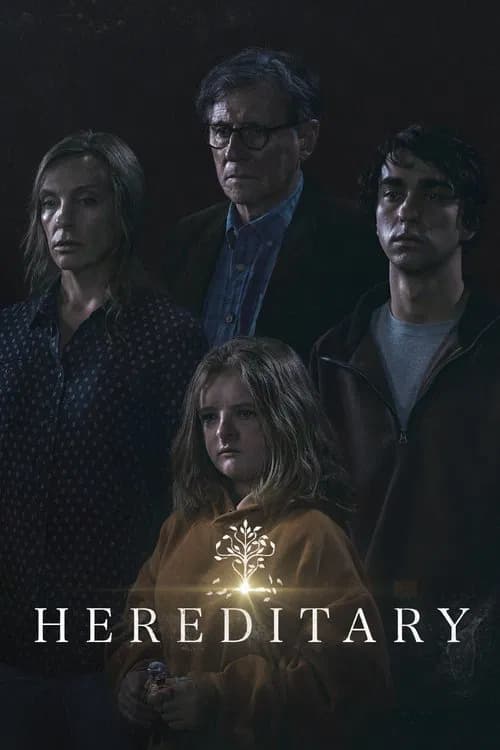
  10. Hereditary (2018) poster

    Hereditary

    Ari Aster · 2018

    Aster spends the first hour on grief, family dysfunction and the fine detail of how the Grahams relate to each other. Only then does the supernatural horror become undeniable. Because of that buildup, the horror lands on an audience that is already raw. The film has made you care about these characters, so you have real feelings at stake.

    Where to see it: The family dinner sequence. Nothing supernatural happens in the tension between Annie and Peter. The film builds dread out of ordinary home life before it reaches for any horror-movie tools.

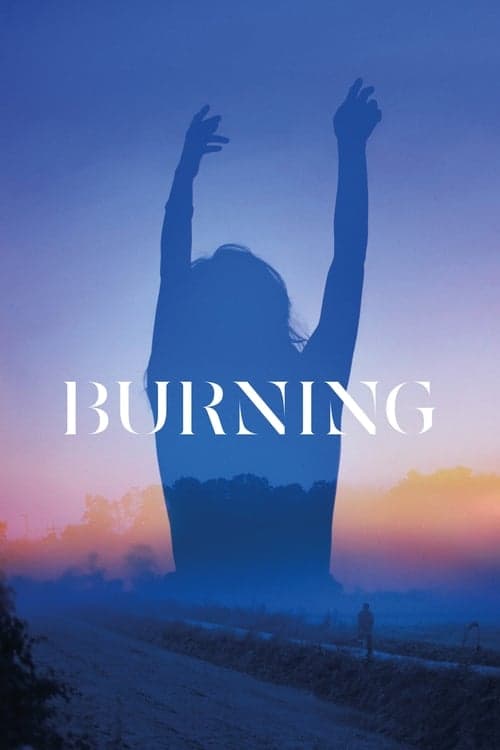
  11. Burning (2018) poster

    Burning

    Lee Chang-dong · 2018

    Lee Chang-dong builds the dread through hints. There is a missing cat, an unexplained wristwatch and Hae-mi's absence. Nothing gets confirmed and everything piles up. The 148-minute runtime is what makes the pacing work, since a slow burn needs time to become unbearable.

    Where to see it: Jong-su's surveillance of Ben. In these long watching sequences, the tension comes from watching with no evidence. The slow burn leaves you feeling certain without any proof.

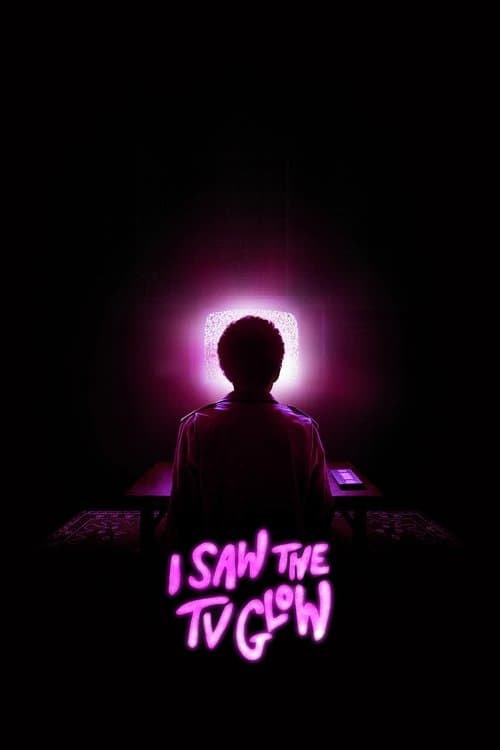
  12. I Saw the TV Glow (2024) poster

    I Saw the TV Glow

    Jane Schoenbrun · 2024

    Schoenbrun refuses the usual horror moves. The dread promises a scare and the film never gives it to you. The unease keeps going and never settles into something clear like a monster or a haunting. The horror is that the protagonist can't tell whether what they're experiencing is real.

    Where to see it: The entire second half of the film. The horror gets deeper with no conventional scare to release it. The dread never resolves, and that is how the film shows what it feels like to not know who you are.

Questions

Quick answers

What is slow burn horror pacing in film?
Spending a long time on normal life, character and atmosphere before any real threat arrives. Dread builds bit by bit, so the climax feels inevitable and devastating when it comes.
Which films use slow burn horror pacing?
The Birds (1963), Repulsion (1965), Hour of the Wolf (1968), Halloween (1978), Alien (1979), What Lies Beneath (2000) and 6 more films in the CineCode library.
What kind of technique is slow burn horror pacing?
It is a narrative technique. Related narrative techniques include The Bomb Under the Table, Symbolic Object.