Horror · Drama

Hour of the Wolf

Ingmar Bergman, 1968

Painter Johan Borg lives on an island with his pregnant wife Alma. He cannot sleep, and the monsters he sketches begin to turn up in real life. Watch how Bergman moves from a tired, quiet marriage into a night of nightmares and holds back the music until the second half.

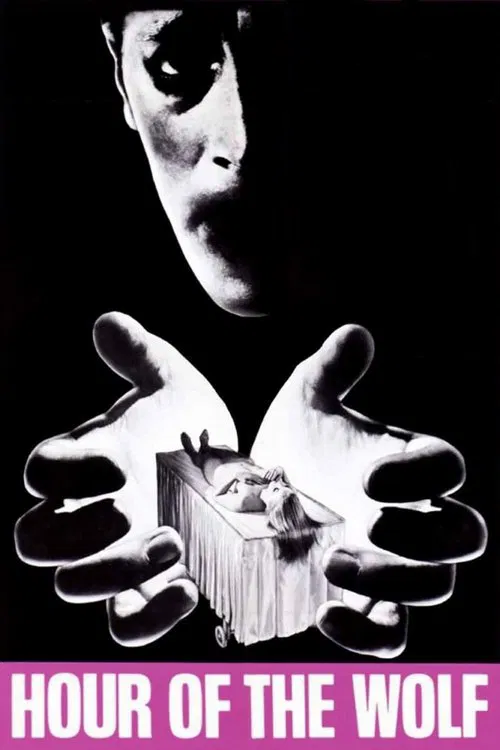
Hour of the Wolf (1968) poster

At a glance

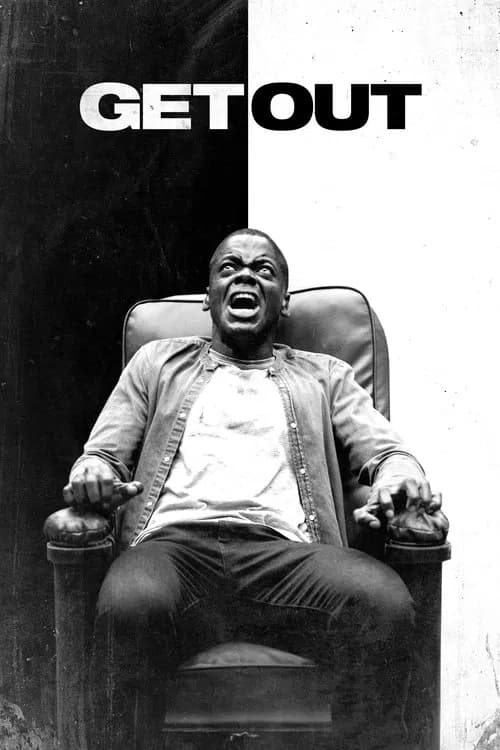
Hour of the Wolf is a 1968 horror and drama film directed by Ingmar Bergman. This breakdown covers 4 techniques (2 psychology, 1 narrative and 1 sound), each with the scene where you can see it. If you like how it is made, The Sixth Sense uses several of the same techniques.

Psychology

Psychoanalytic Horror

Turning things that happen inside the mind, like buried memories or a split sense of self, into real events in the story. The horror comes from the mind being invaded.

How this film uses it

Johan's fears come to life as people. The guests at the castle are the creatures he has been drawing in his sketchbook. His mind is the haunted house, and there is no way to leave it.

Where to see it

The castle party: at the castle, the guests turn out to be the demons Johan has described.
Psychology

Unreliable Reality

Keeping it unclear what is real and what is imagined in the film's world. You end up as unsure as the main character.

How this film uses it

You cannot tell what is happening in the room and what is happening in Johan's head. Alma sees the attacks too, which only makes it more confusing. The film never settles the question.

Where to see it

Veronica sits up: Johan finds Veronica apparently dead, and she suddenly sits up and laughs.

Narrative

Slow Burn Horror Pacing

Spending a long time on normal life, character and atmosphere before any real threat arrives. Dread builds bit by bit, so the climax feels inevitable and devastating when it comes.

How this film uses it

The first half is a quiet portrait of a couple on an island, with a painter who cannot sleep and a wife who stays up with him. The odd details pile up slowly. By the time the castle appears, you already feel the dread.

Where to see it

The diary: an elderly woman tells Alma to read Johan's diary, and she learns he is haunted by his former lover Veronica Vogler.

Sound

Strategic Silence

Removing music, background sound or dialogue from a moment where most films would fill it. The quiet forces you to sit with what is on screen.

How this film uses it

The score only appears in the second half. It first plays over the memory of the killing of a boy, an overexposed flashback cut together quickly with the boy's screams as the only other sound. After so much quiet, the music is a shock.

Where to see it

Johan's story of the boy: he tells Alma how he killed a boy while fishing, and the flashback plays with music and screams.

Questions

Hour of the Wolf: quick answers

What filmmaking techniques does Hour of the Wolf use?
CineCode breaks down 4 techniques in Hour of the Wolf (1968): Psychoanalytic Horror, Unreliable Reality, Slow Burn Horror Pacing and Strategic Silence.
Who directed Hour of the Wolf?
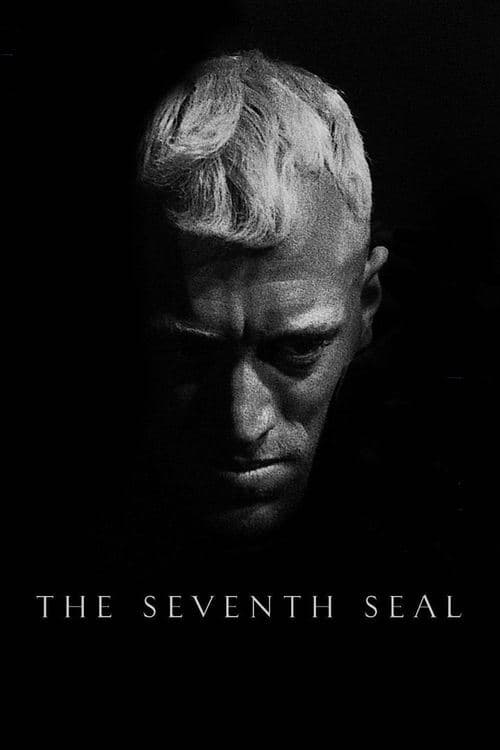
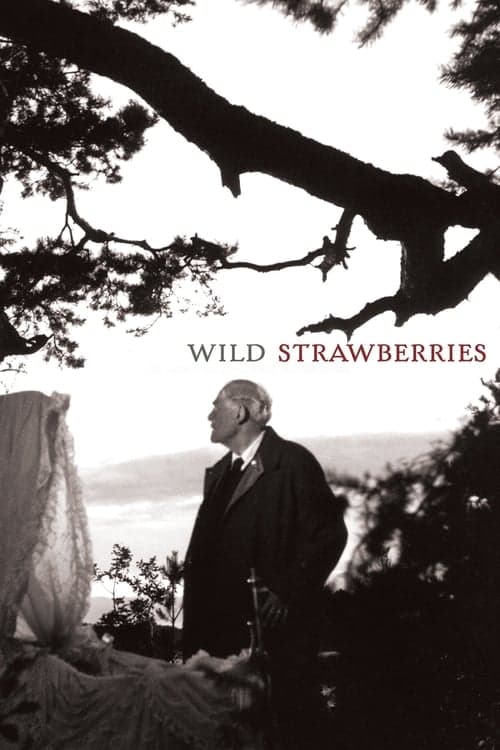
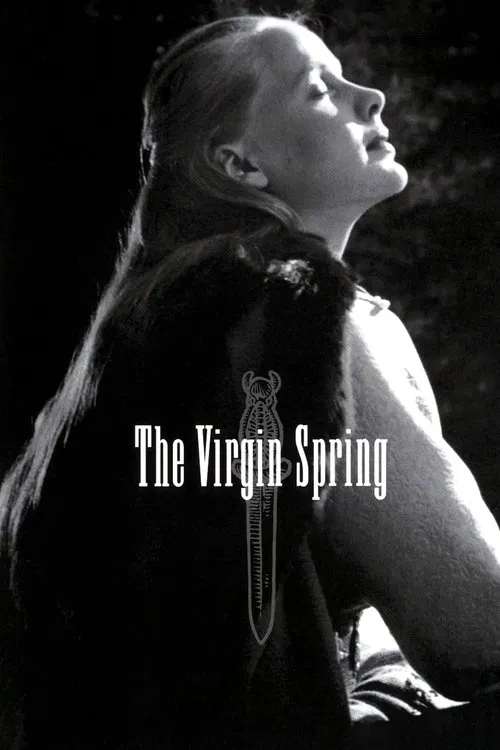
Ingmar Bergman directed Hour of the Wolf, released in 1968. CineCode also covers The Seventh Seal (1957), Wild Strawberries (1957), The Virgin Spring (1960), Through a Glass Darkly (1961), Winter Light (1963), Persona (1966).
What films are similar to Hour of the Wolf?
Films that share techniques with Hour of the Wolf include The Sixth Sense (1999), Burning (2018), The Babadook (2014), Thelma (2017).