Drama · Comedy · Romance

Y Tu Mamá También

Alfonso Cuarón, 2001

Two horny teenage best friends invite an older Spanish woman on a road trip to a beach that doesn't exist. She says yes, and the drive across Mexico tests their friendship more than they expected. It looks like a teen sex comedy at first. Watch how the camera and the narrator keep pointing at the country the boys drive past without noticing.

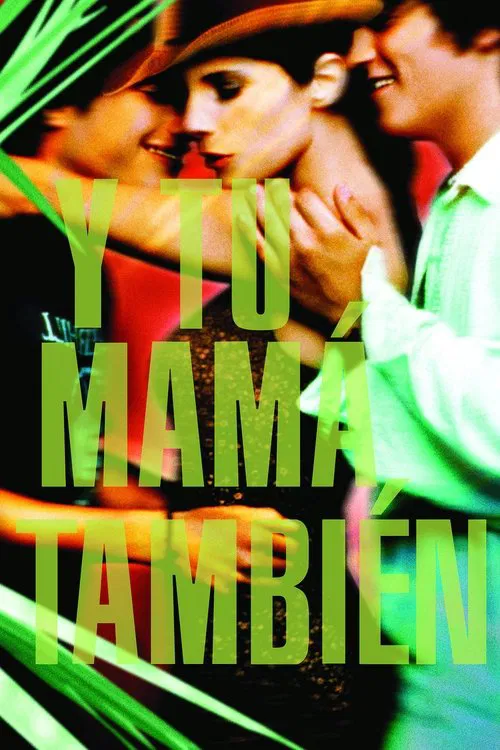
Y Tu Mamá También (2001) poster

At a glance

Y Tu Mamá También is a 2001 drama, comedy and romance film directed by Alfonso Cuarón. This breakdown covers 5 techniques (1 cinematography, 1 sound and 3 narrative), each with the scene where you can see it. If you like how it is made, Schindler's List uses several of the same techniques.

Cinematography

Handheld Cinema Vérité

Shooting with a handheld camera so the frame shakes and moves with the action. This documentary-style look, called cinema vérité, puts you uncomfortably close to the character.

How this film uses it

Cuarón dropped the dollies and polished close-ups of his Hollywood films and shot the whole thing handheld. The actors improvised a lot of their scenes. It feels like you're riding in the back seat with them.

Where to see it

The drive through rural Mexico. Julio, Tenoch and Luisa talk and joke in the car, boasting about sex while Luisa asks them questions.

Sound

Strategic Silence

Removing music, background sound or dialogue from a moment where most films would fill it. The quiet forces you to sit with what is on screen.

How this film uses it

Every so often, all the sound in the scene cuts out and a calm narrator takes over. In that sudden quiet, he tells you things the characters don't know, about the people and places they pass. The silence makes you lean in.

Where to see it

The fishing family at Boca del Cielo. The sound drops away while the narrator explains that the fisherman Chuy and his family will later lose their land to a hotel.

Narrative

Retrospective Voiceover

Having a narrator tell the story from some point after it happened. The events feel like memory, and you sense early on that something will be lost.

How this film uses it

The narrator knows how everything turns out and tells you about the future in a flat, matter-of-fact voice. That makes the fun of the trip feel temporary from early on. You sense the friendship won't last.

Where to see it

The final coffee. A year later, Julio and Tenoch meet by chance, make plans to see each other again, and the narrator says they never will.

Narrative

Odd Couple Class Structure

Pairing characters from opposite social worlds who find each other strange. Their friction produces the comedy, and what they learn from each other produces the emotion.

How this film uses it

Tenoch is the son of a wealthy politician and Julio comes from a working-class family. Their jokes about each other's backgrounds start out playful. When jealousy kicks in, the class gap turns into real cruelty.

Where to see it

The wedding reception. The boys meet Luisa at the lavish wedding of Tenoch's sister, a world Julio only gets into as his friend.

Narrative

Retroactive Reframing Revelation

Saving a reveal for the climax that changes the meaning of every scene before it. You have to rebuild the whole film in your head with the new knowledge.

How this film uses it

Luisa spends the trip laughing one minute and crying alone the next. At the end, you learn she was dying of cancer and knew it the whole time. Her doctor's visit at the start and every reckless choice she made suddenly mean something new.

Where to see it

Tenoch's news. Over coffee, Tenoch tells Julio that Luisa died of cancer a month after the trip.

Questions

Y Tu Mamá También: quick answers

What filmmaking techniques does Y Tu Mamá También use?
CineCode breaks down 5 techniques in Y Tu Mamá También (2001): Handheld Cinema Vérité, Strategic Silence, Retrospective Voiceover, Odd Couple Class Structure and Retroactive Reframing Revelation.
Who directed Y Tu Mamá También?
Alfonso Cuarón directed Y Tu Mamá También, released in 2001. CineCode also covers A Little Princess (1995), Great Expectations (1998), Harry Potter and the Prisoner of Azkaban (2004), Children of Men (2006), Gravity (2013), Roma (2018).
What films are similar to Y Tu Mamá También?
Films that share techniques with Y Tu Mamá También include Schindler's List (1993), Das Boot (1981), The Sixth Sense (1999), 12 Years a Slave (2013).