Shuffled chapters
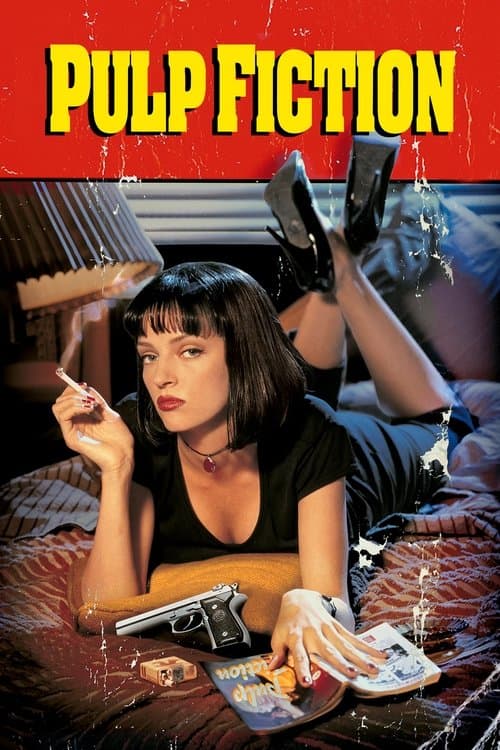
Pulp Fiction (1994) opens with a diner holdup, wanders through several stories and comes back to the diner at the end. Along the way, Vincent Vega dies. A bit later, he's alive again in the diner scene, which happens earlier in the timeline. Because of that order, the film gets to end with Jules walking away alive while you already know how things went for Vincent.
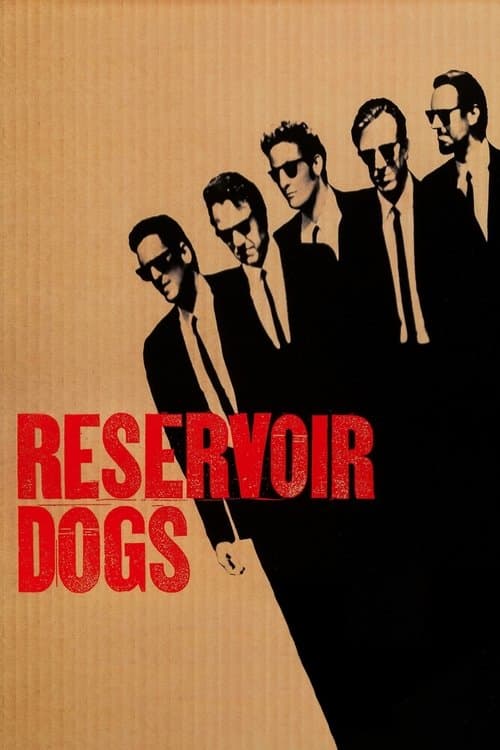
Reservoir Dogs (1992) skips the main event completely. You see the crew talking in a diner, and then there's a hard cut to Mr. White and Mr. Orange bleeding in a moving car. The heist is never shown. You piece it together from scenes before and after it. Mr. Orange's long flashback about building his undercover identity lands in the middle of the film like a short film of its own. Starting in the middle of the action like this is called in medias res, and the cut to the bleeding men in the car is a textbook case.
Running the story backward
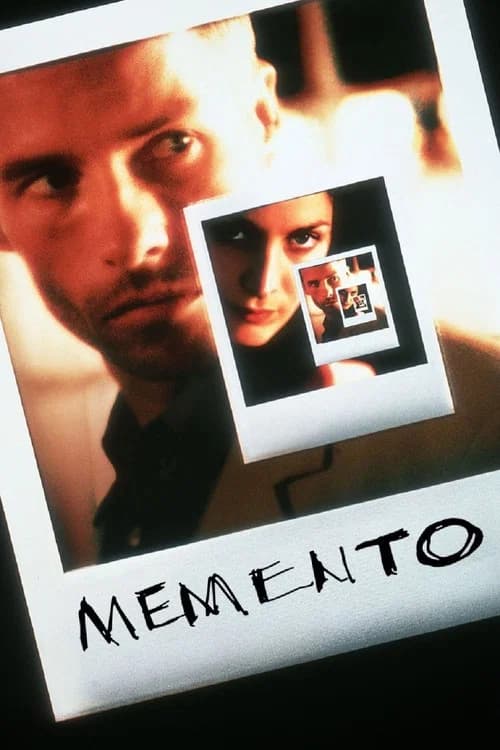
Memento (2000) runs its color scenes in reverse, so each one ends where the previous one started. You're as lost as Leonard is. You know what happened before you know why. Meanwhile, the black-and-white scenes move forward in time. The 2 strands meet at the end of the film, which is actually the middle of the story, and you need both directions in your head to see the whole thing.
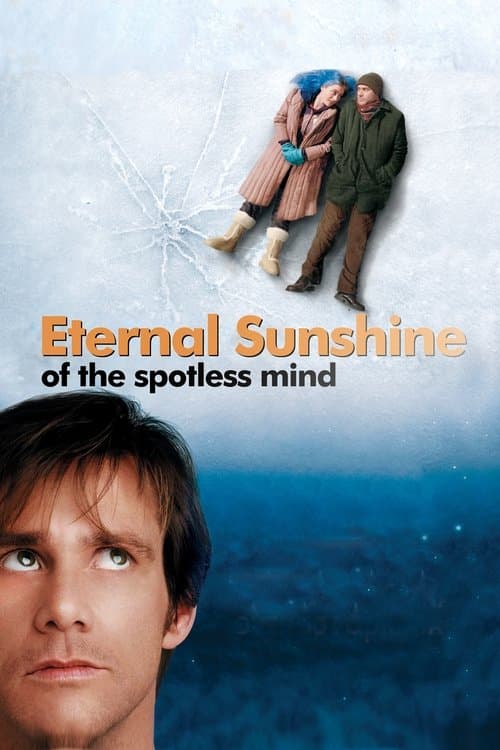
Eternal Sunshine of the Spotless Mind (2004) uses backward order for feeling. As Joel's memories get erased, you travel back through the relationship, so you see it fall apart before you see the tender parts. The Montauk beach memory is the last one you reach. The film also opens with the 2 of them meeting there, and the scene means something different the second time.
Two timelines that talk to each other
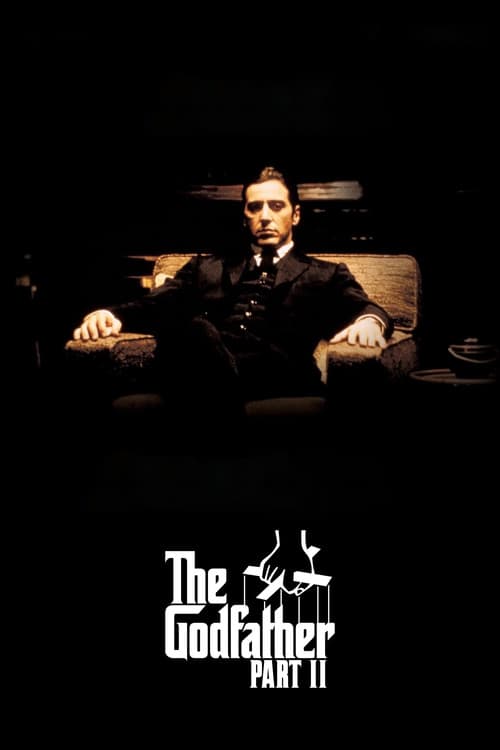
The Godfather Part II (1974) cuts between young Vito in the 1910s and Michael in the 1950s. The 2 stories never share a scene. Every cut between them still makes a point, because you keep comparing a father building the family with a son tightening his grip on it. The pair to watch is young Vito's first act of violence cut against Michael's Senate testimony.
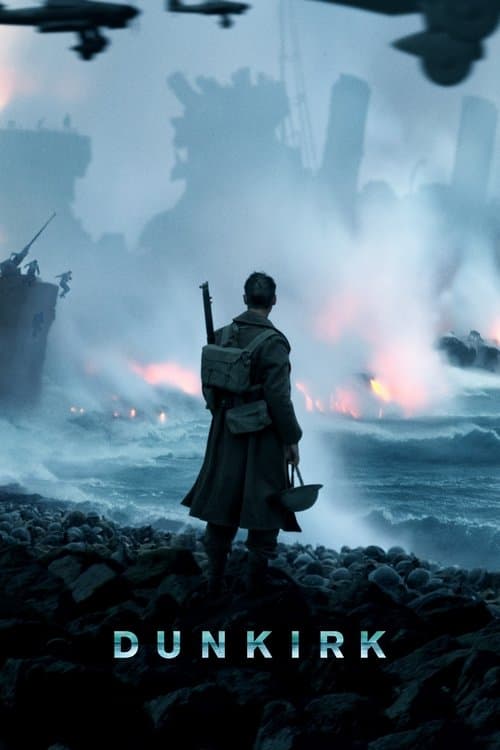
Dunkirk (2017) cuts together 3 timelines as if they were happening at once: a week on the beach, a day at sea and an hour in the air. They cover very different amounts of time and only line up in the final act. When they meet at the burning oil, you see one event from 3 different positions. Each strand also has its own countdown, and a ticking sound in the music keeps speeding up under all of them.
A life pieced together from witnesses
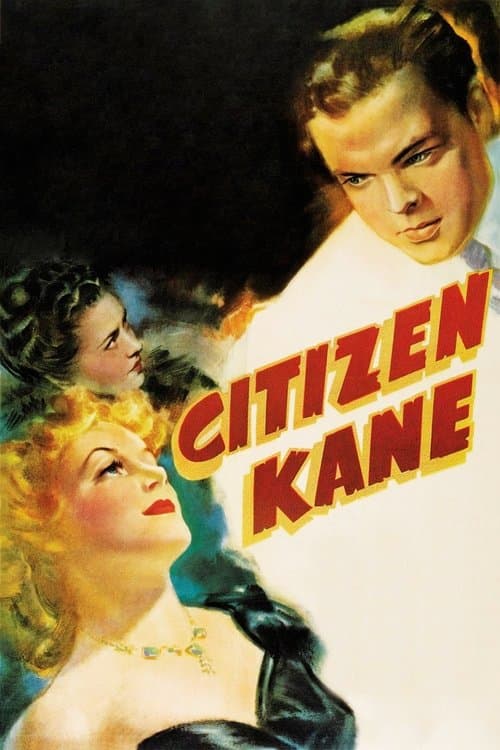
Citizen Kane (1941) tells Kane's life through people who knew him, and their accounts don't arrive in order. Each witness covers a different period and has a different opinion of the man. Thatcher dislikes him, Bernstein worships him, Leland resents him and Susan was damaged by him, so every account tells you as much about the speaker as about Kane. When the film moves from Thatcher's memoir to Bernstein's interview, the 2 descriptions don't fit together. The film never settles which version is right, and the jumbled order is part of why.
When the order is the twist
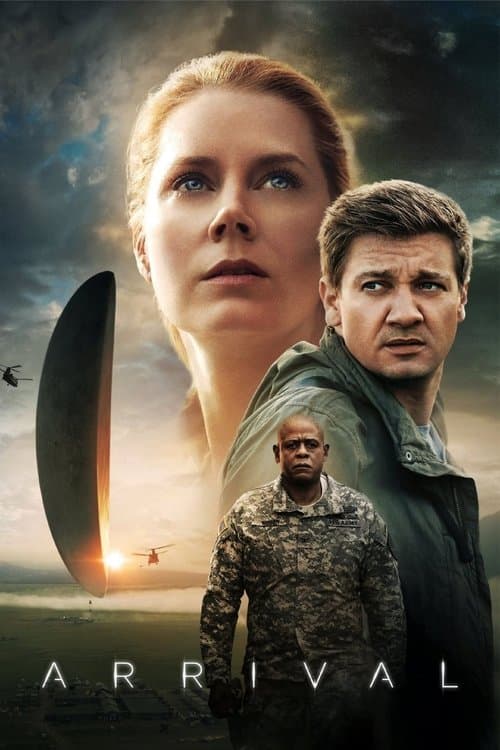
Arrival (2016) presents Louise's scenes with her daughter as memories. Most people read them as grief. In the final act, you learn they're visions of the future. That ties into the alien language, which changes how Louise experiences time once she learns it. Every earlier scene with the daughter flips from a memory into something closer to a prophecy, and you have to rethink the whole film with that in mind.
How to use this when you watch
With a non-linear film, try sketching the real order of events on paper after you watch. Put it next to the order you were shown. The gaps between the 2 lists are where the director made choices, and they usually point to what the film cares about most.
More guides
- Film Noir Lighting Explained: 8 Films That Nail It
- How Directors Build Suspense: 8 Films That Show You How
- Unreliable Narrator Movies Explained: 9 Films That Fool You
- Long Takes and Oners Explained: 9 Famous One-Shot Scenes
- How Color Tells the Story: 9 Films With Meaningful Palettes
- Best Films to Study Cinematography: 10 Films and What to Watch