Thriller · Drama · Crime

Match Point

Woody Allen, 2005

A former tennis pro marries into a rich London family while carrying on an affair with his brother-in-law's ex-fiancee. When she threatens to expose him, he turns to murder. Worth watching for how Woody Allen builds a crime story where luck, not justice, decides who gets away with it.

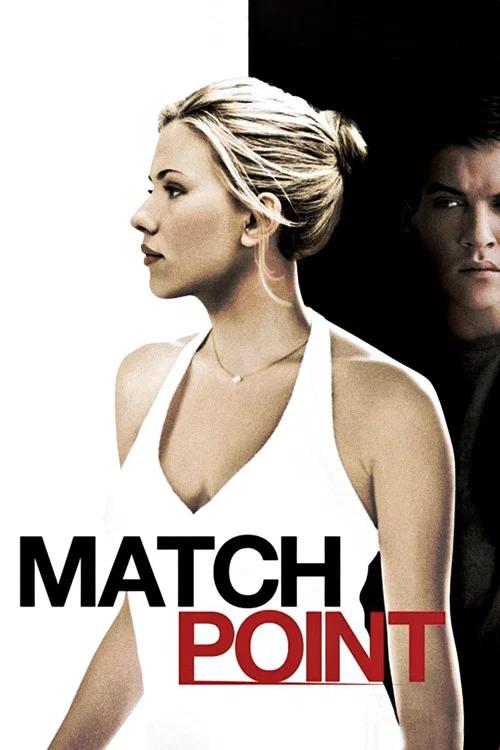
Match Point (2005) poster

At a glance

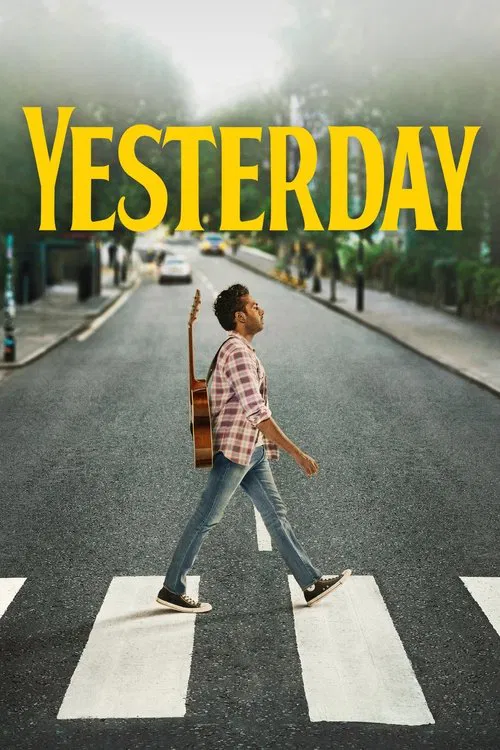
Match Point is a 2005 thriller, drama and crime film directed by Woody Allen. This breakdown covers 5 techniques (3 narrative, 1 sound and 1 psychology), each with the scene where you can see it. If you like how it is made, Yesterday uses several of the same techniques.

Narrative

Perpetrator Perspective

Telling the story from the side of the person doing the harm, and letting you inside their head. You start to understand them, which is more uncomfortable than simply condemning them.

How this film uses it

You follow Chris from the start, from his job at the tennis club to his marriage and his plan to kill Nola. The film lets you inside his thinking, so you understand how he talks himself into it. That makes it uncomfortable when you find yourself hoping he will get away.

Where to see it

The murders. Chris takes his father-in-law's shotgun, shoots Mrs. Eastby and then Nola, and stages the scene as a burglary.
Narrative

Escalating Moral Stakes

Raising the ethical price of winning with each part of the story. Every compromise the characters make leads to a worse one, until they can't go back.

How this film uses it

Chris starts by lying to Chloe about the affair, then lies to both women. When Nola becomes pregnant and wants him to leave Chloe, the price of keeping his comfortable life goes up again. Each choice leads to a worse one until murder looks like the only way out.

Where to see it

The confrontation outside his apartment. Nola threatens to tell Chloe everything, and Chris decides to deal with it.

Sound

Classical Music as Score

Using existing classical pieces as the soundtrack, with no newly composed score. The music brings its own history, cultural weight and emotion into the film.

How this film uses it

The soundtrack is made almost entirely of old recordings of opera arias sung by Enrico Caruso. The arias comment on the action and sometimes hint at what is coming. The grand, tragic music makes Chris's plain, selfish choices feel like fate.

Where to see it

The film as a whole. Caruso's arias play over the affair, the scheming and the crime.

Narrative

Fate as Plot Force

Letting chance, luck or a prophecy steer the plot, so outcomes feel governed by forces beyond character intention and moral desert.

How this film uses it

In the opening voiceover Chris says luck matters more than people admit, and the film compares it to a tennis ball that clips the net. After the murders, Mrs. Eastby's ring bounces off a railing and lands on the pavement instead of the river. That accident later clears him. You can read it as the film's whole argument.

Where to see it

The ring on the riverbank. Chris throws the stolen jewelry into the river, but the ring bounces off the railing and falls onto the pavement.

Psychology

Guilt as Hidden Motive

Letting a character's guilt over a past wrong shape what they do now. The wrong may come out late or only be hinted at, but it colors every choice.

How this film uses it

Nola and Mrs. Eastby appear to Chris as apparitions and warn him. He answers that he did it for a grander scheme and can live with it. The scene shows a man who has the words for guilt but no real remorse.

Where to see it

The night of the apparitions. Nola and Mrs. Eastby tell Chris his actions will have consequences, and he defends himself.

Questions

Match Point: quick answers

What filmmaking techniques does Match Point use?
CineCode breaks down 5 techniques in Match Point (2005): Perpetrator Perspective, Escalating Moral Stakes, Classical Music as Score, Fate as Plot Force and Guilt as Hidden Motive.
Who directed Match Point?
Woody Allen directed Match Point, released in 2005. CineCode also covers Take the Money and Run (1969), Bananas (1971), Everything You Always Wanted to Know About Sex *But Were Afraid to Ask (1972), Sleeper (1973), Love and Death (1975), Annie Hall (1977).
What films are similar to Match Point?
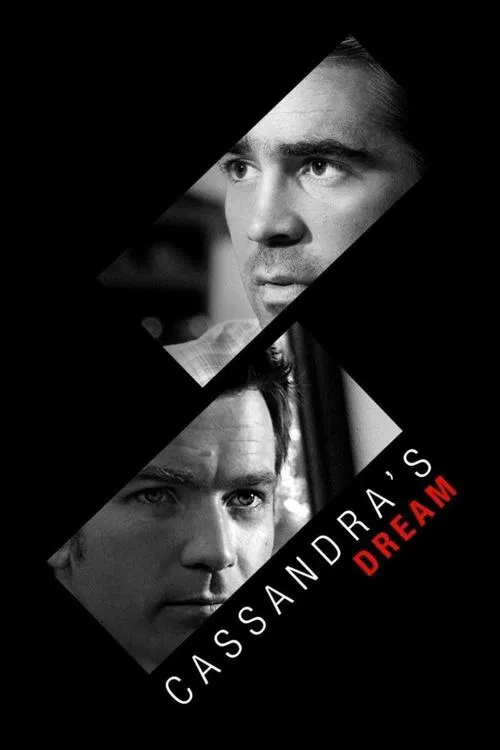
Films that share techniques with Match Point include Yesterday (2019), Cassandra's Dream (2007), Wheel of Fortune and Fantasy (2021), The Card Counter (2021).