Crime · Drama · Film Noir

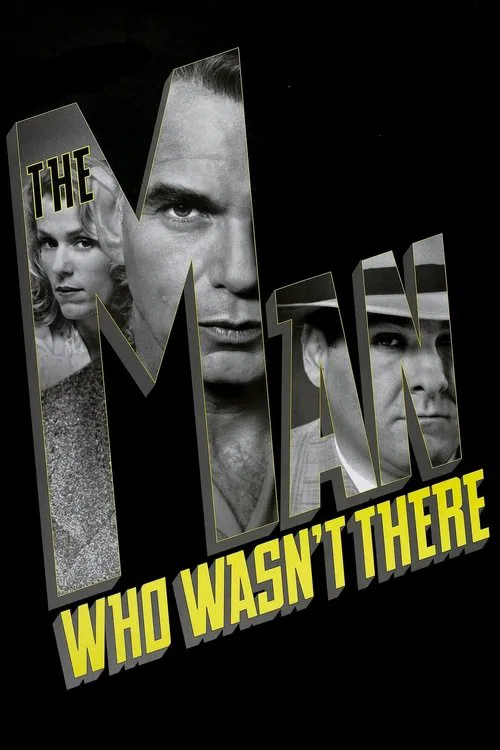
The Man Who Wasn't There

Joel Coen, Ethan Coen, 2001

In 1949 California, a quiet barber blackmails his wife's boss to fund a business deal, and the scheme goes wrong in ways he never planned. He tells his own story from death row. It is a black-and-white crime film in which the main character does very little.

The Man Who Wasn't There (2001) poster

At a glance

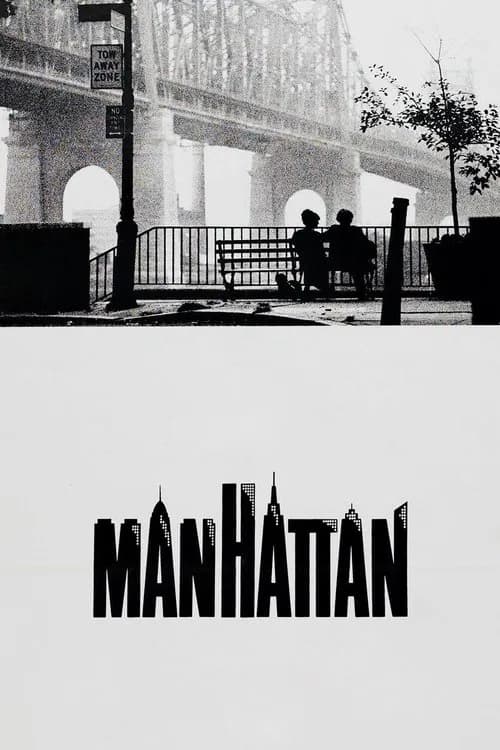
The Man Who Wasn't There is a 2001 crime, drama and film noir film directed by Joel Coen, Ethan Coen. This breakdown covers 5 techniques (3 narrative, 1 cinematography and 1 sound), each with the scene where you can see it. If you like how it is made, Manhattan uses several of the same techniques.

Narrative

Retrospective Voiceover

Having a narrator tell the story from some point after it happened. The events feel like memory, and you sense early on that something will be lost.

How this film uses it

Ed tells the story after it all went wrong, writing his life story for a magazine while he waits on death row. His flat voice never gets excited, even when he talks about murder. That calm makes the events feel like a memory he has already made peace with.

Where to see it

The death row scenes. Ed writes his life story for a pulp magazine while he waits for execution.
Narrative

Genre Subversion

Setting up a film to look like a familiar genre, then breaking that genre's rules on purpose. You have to rethink what kind of story you are watching.

How this film uses it

The setup is a crime story from the old pulp novels, but the Coens replace the underworld with a small town and ordinary people. The criminal is a barber, and the big plan is a blackmail letter. The usual thrills are missing, so the film feels more like a quiet tragedy.

Where to see it

The blackmail. Ed anonymously demands money from Big Dave Brewster, his wife's boss, to pay for an investment.

Cinematography

Period Film Look Imitation

Recreating the look of an earlier era's film or television using period cameras, film stock, lighting and contrast. The images feel like real records from that time or a tribute to it.

How this film uses it

Cinematographer Roger Deakins drew on crime films of the 1940s and 1950s. The image is black and white with a wide range of grays and low contrast. Ed is almost always seen smoking a Chesterfield, which adds a hazy mood.

Where to see it

The barbershop scenes. Ed cuts hair at Frank's shop, smoking, in soft gray light.

Narrative

Central Metaphor Structure

Organizing the whole film around one extended metaphor, such as a hunt, a list of sins or a body as machine, so the plot becomes the figure's illustration.

How this film uses it

The defense lawyer Riedenschneider refers more than once to Heisenberg's uncertainty principle, the idea that observing something changes it. It fits a story about a man who cannot be known, even by himself. The story is set in the early atomic age, so the reference feels right.

Where to see it

Riedenschneider's work on Ed's case. The lawyer refers to Heisenberg's uncertainty principle while planning the defense.

Sound

Classical Music as Score

Using existing classical pieces as the soundtrack, with no newly composed score. The music brings its own history, cultural weight and emotion into the film.

How this film uses it

The soundtrack is mostly Beethoven piano sonatas, with 7 new pieces by Carter Burwell. Ed listens to the young Birdy play piano and imagines a career for her. The music gives a cold man a place to feel something.

Where to see it

Ed listens to Birdy at the piano. He believes she has a gift and dreams of becoming her manager.

Questions

The Man Who Wasn't There: quick answers

What filmmaking techniques does The Man Who Wasn't There use?
CineCode breaks down 5 techniques in The Man Who Wasn't There (2001): Retrospective Voiceover, Genre Subversion, Period Film Look Imitation, Central Metaphor Structure and Classical Music as Score.
Who directed The Man Who Wasn't There?
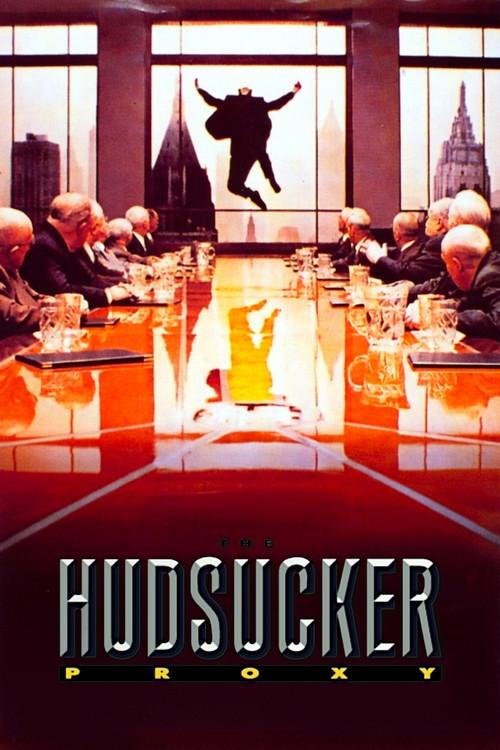
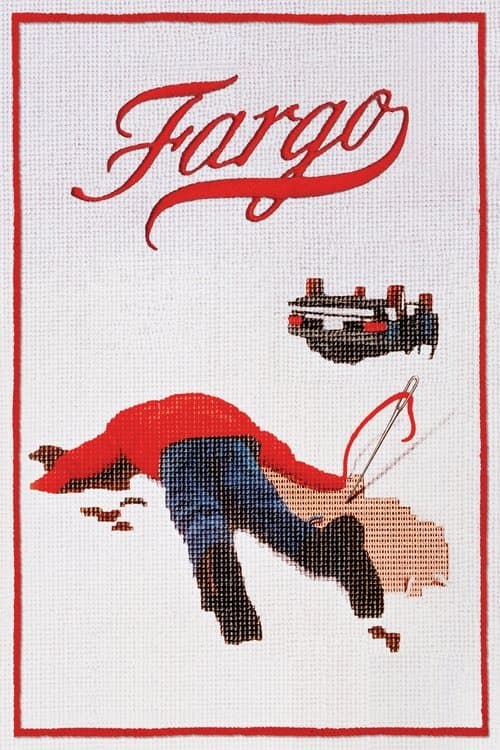
Joel Coen, Ethan Coen directed The Man Who Wasn't There, released in 2001. CineCode also covers Blood Simple (1985), Raising Arizona (1987), Miller's Crossing (1990), Barton Fink (1991), The Hudsucker Proxy (1994), Fargo (1996).
What films are similar to The Man Who Wasn't There?
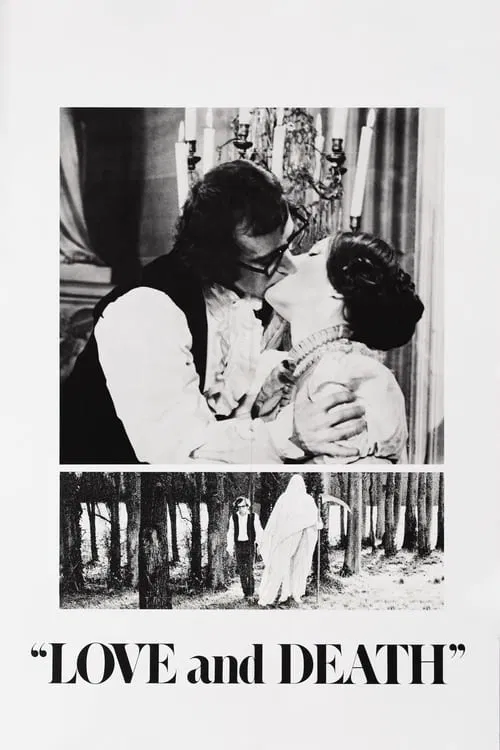
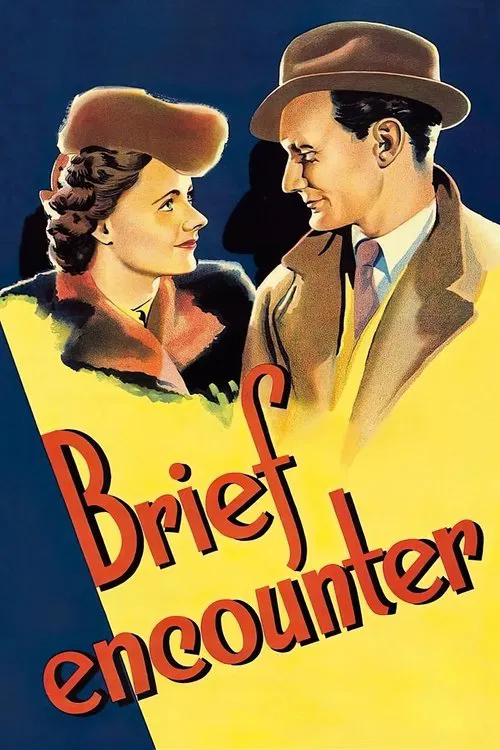
Films that share techniques with The Man Who Wasn't There include Manhattan (1979), Love and Death (1975), Brief Encounter (1945), Parasite (2019).