Drama · History · Biography

Lincoln

Steven Spielberg, 2012

In the final months of the Civil War, Abraham Lincoln works to pass the 13th Amendment through the House of Representatives. He bargains, jokes and pressures people while the war and his family weigh on him. For filmmakers, watch how a political story is made dramatic with conversation.

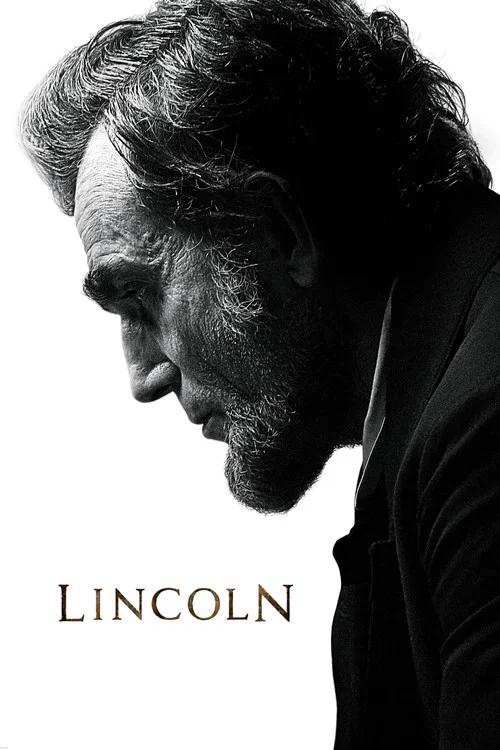
Lincoln (2012) poster

At a glance

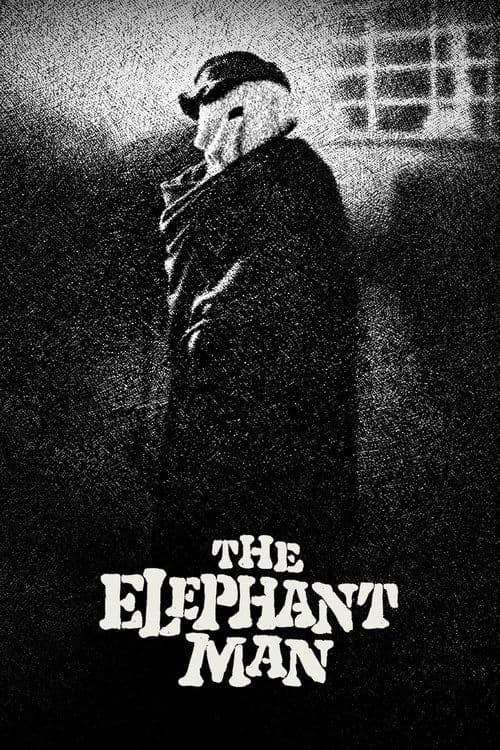
Lincoln is a 2012 drama, history and biography film directed by Steven Spielberg. This breakdown covers 4 techniques (1 editing, 1 cinematography and 2 narrative), each with the scene where you can see it. If you like how it is made, The Elephant Man uses several of the same techniques.

Editing

Unbroken Dialogue Scene

Letting a conversation run for a long time with very few cuts. The tension builds from the actors sharing the space and from what is said, almost said and left unsaid.

How this film uses it

The cabinet and House scenes stay in rooms and let the actors talk without constant cutting. Lincoln tells stories and the others react. You feel the room's tension through the talk, not through action.

Where to see it

The cabinet argument: Lincoln and his advisers argue about when to push the amendment and what they might lose.

Cinematography

Chiaroscuro Lighting

Lighting a scene with strong contrast between bright light and deep shadow, a style borrowed from old paintings called chiaroscuro. How lit a character is hints at their moral or mental state.

How this film uses it

Rooms are lit by windows and lamps, with dark corners and glowing dust. Faces sit half in shadow. The look matches the heavy, uncertain mood of a country at war.

Where to see it

The White House rooms: Lincoln sits by a fire or window while the rest of the room falls into shadow.

Narrative

Observational Restraint

Watching events from a measured distance with no swelling music, tear-jerking close-ups or showy camera moves. The film trusts what happens to carry the weight on its own.

How this film uses it

The film keeps back from big emotional music at the biggest moments. Lincoln's death is delivered through a small scene at a theater. The quiet delivery makes the loss feel real.

Where to see it

The news of his death: At a theater, Lincoln's youngest son is told the president has been shot.

Narrative

Persuasion by Anecdote

Letting a character win arguments by telling stories instead of arguing directly. A good anecdote changes how the listeners see the problem.

How this film uses it

Lincoln often answers a hard question with a story. Some listeners are impatient, but the stories lead them toward his point. It shows you a leader who works through charm as well as power.

Where to see it

The telegraph office: Lincoln explains an idea from geometry to two telegraph operators, using it to describe why the amendment matters.

Questions

Lincoln: quick answers

What filmmaking techniques does Lincoln use?
CineCode breaks down 4 techniques in Lincoln (2012): Unbroken Dialogue Scene, Chiaroscuro Lighting, Observational Restraint and Persuasion by Anecdote.
Who directed Lincoln?
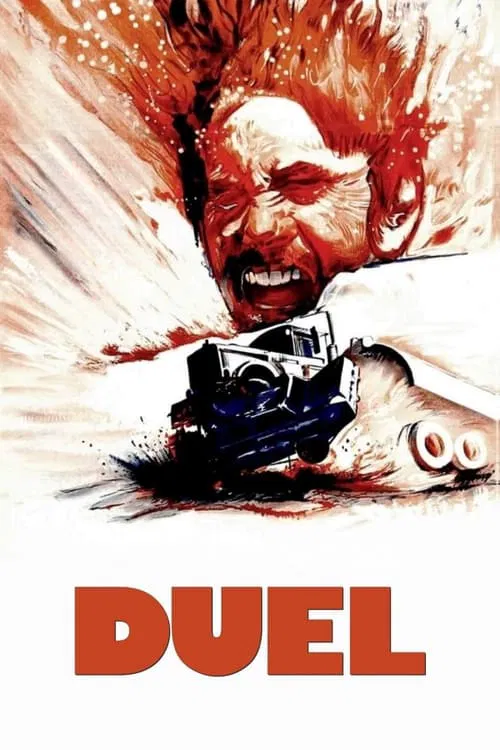
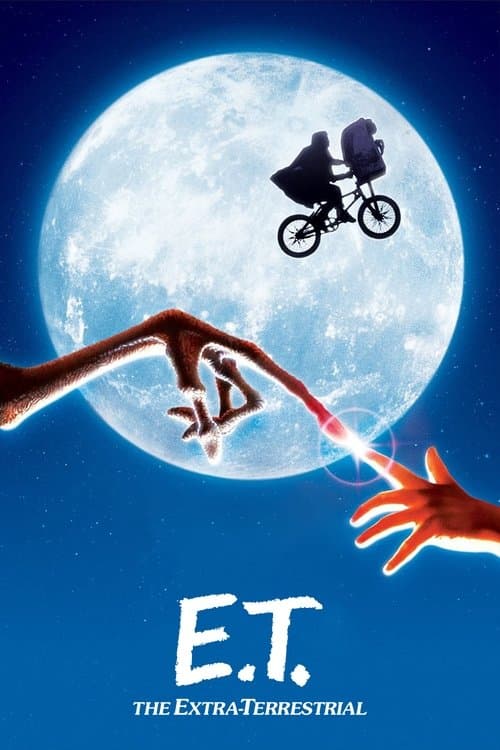
Steven Spielberg directed Lincoln, released in 2012. CineCode also covers Duel (1971), Jaws (1975), Close Encounters of the Third Kind (1977), 1941 (1979), Raiders of the Lost Ark (1981), E.T. the Extra-Terrestrial (1982).
What films are similar to Lincoln?
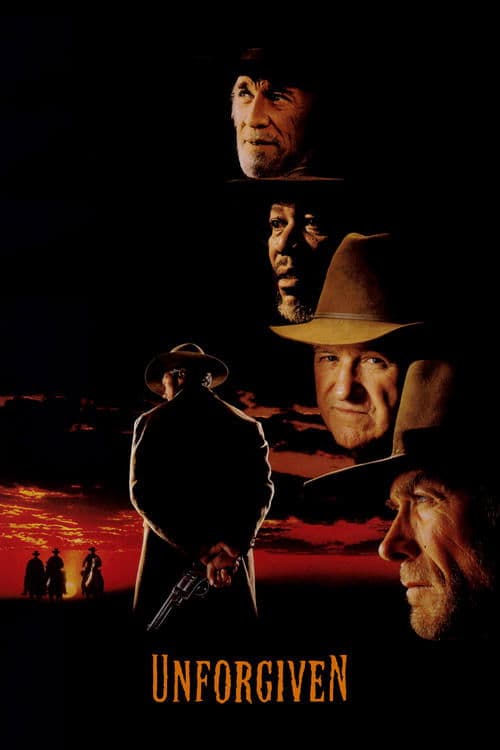
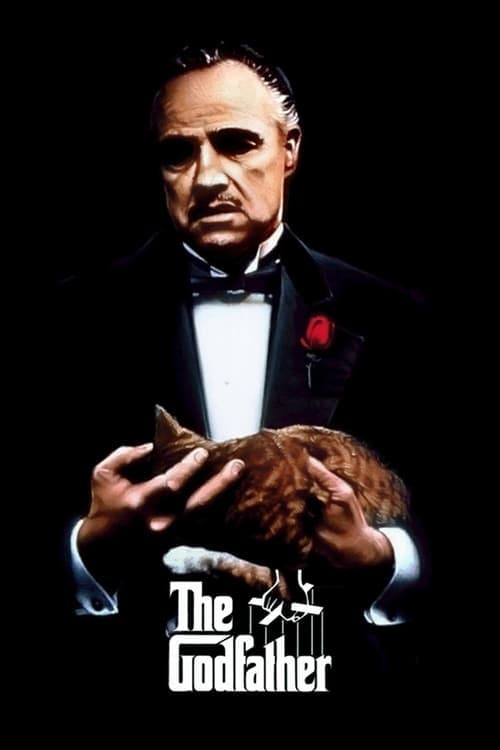
Films that share techniques with Lincoln include The Elephant Man (1980), Before Sunrise (1995), Unforgiven (1992), The Godfather (1972).