Fantasy · Drama

Dreams

Akira Kurosawa, 1990

Eight short stories based on Kurosawa's own dreams, from a boy spying on a fox wedding to a nuclear disaster at the foot of Mount Fuji. There's no single plot, just one man who keeps showing up in each dream. Kurosawa made it at 80. Watch how each segment builds a mood with color and long takes.

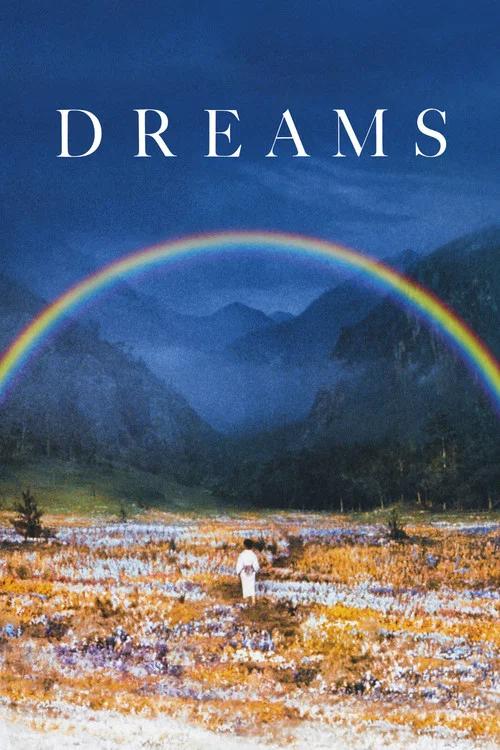
Dreams (1990) poster

At a glance

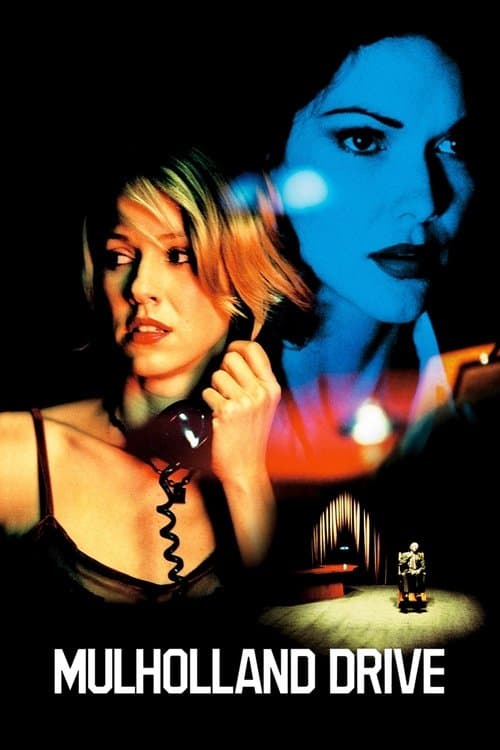
Dreams is a 1990 fantasy and drama film directed by Akira Kurosawa. This breakdown covers 5 techniques (2 narrative, 1 editing and 2 cinematography), each with the scene where you can see it. If you like how it is made, Mulholland Drive uses several of the same techniques.

Narrative

Dream Logic Structure

Arranging scenes the way a dream moves, where one image leads to the next by feeling or association. Events don't follow normal cause and effect.

How this film uses it

The 8 segments don't add up to one plot. They jump from childhood to war to the end of the world the way dreams do, by feeling. What links them is the same stand-in hero and the same worries about nature and death.

Where to see it

Sunshine Through the Rain. A boy watches a slow fox wedding in the forest, and his mother hands him a knife and sends him off to beg the foxes for forgiveness.
Narrative

Autobiographical Distance

Drawing on the filmmaker's own life but keeping it at arm's length, often through a fictional stand-in. The result is precise and unsentimental, and it can question how memory flatters us.

How this film uses it

The man in each dream is Kurosawa's stand-in. The crew built a copy of his childhood home for the first segment, with Kurosawa written on the gate. He tells you these are his dreams and still keeps you at a careful distance.

Where to see it

The Peach Orchard. A boy mourns his family's cut-down peach trees, and their spirits dance to give him one last look at the orchard in bloom.

Editing

Unbroken Dialogue Scene

Letting a conversation run for a long time with very few cuts. The tension builds from the actors sharing the space and from what is said, almost said and left unsaid.

How this film uses it

In The Tunnel, a commander faces the ghosts of the soldiers he lost, and Kurosawa holds the scene in one very long shot. With no cuts, the commander has nowhere to hide. You stand in front of the dead with him.

Where to see it

The Tunnel. The commander's dead platoon marches out of the tunnel and salutes him, and he tells them they died because of his orders.

Cinematography

Painting-Inspired Composition

Composing and lighting shots to echo specific paintings, or building sets in which characters step inside famous artworks. The frames feel like historical art come to life.

How this film uses it

An art student steps into Van Gogh's paintings, and Martin Scorsese plays Van Gogh. The crew even replanted a barley field with wheat to match Wheatfield with Crows. You walk through the art as if it were a real landscape.

Where to see it

Crows. The student chases Van Gogh through his paintings and ends up in the wheat field as a flock of crows takes off.

Cinematography

Color Symbolism

Giving specific colors to characters, groups or ideas and sticking to them through the film. Each time a color appears, it tells you something beyond what is shown.

How this film uses it

In Mount Fuji in Red, the poison clouds from a burst nuclear plant are dyed to show which deadly element they carry. A man explains red, yellow and purple to the survivors, and then the colors roll in. The bright colors make the danger visible and almost pretty.

Where to see it

Mount Fuji in Red. A family stands at the edge of the sea while red, yellow and purple clouds sweep toward them.

Questions

Dreams: quick answers

What filmmaking techniques does Dreams use?
CineCode breaks down 5 techniques in Dreams (1990): Dream Logic Structure, Autobiographical Distance, Unbroken Dialogue Scene, Painting-Inspired Composition and Color Symbolism.
Who directed Dreams?
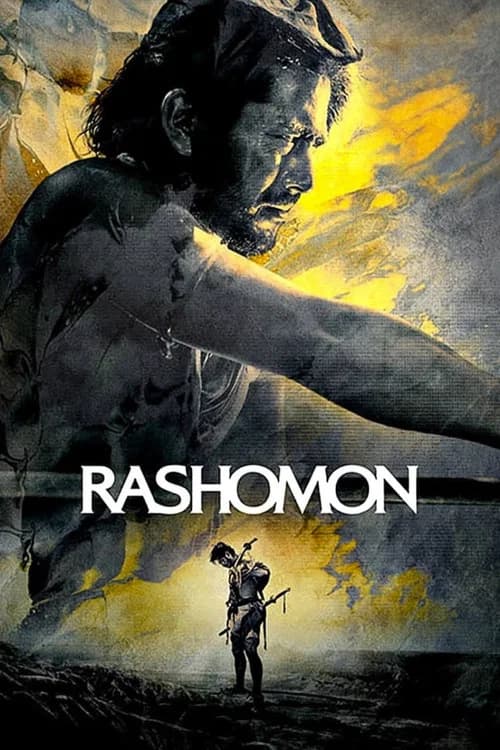
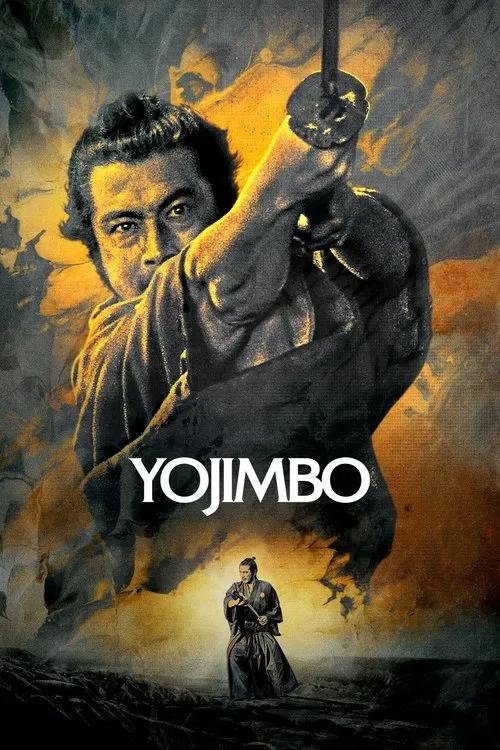
Akira Kurosawa directed Dreams, released in 1990. CineCode also covers Rashomon (1950), Ikiru (1952), Seven Samurai (1954), Throne of Blood (1957), The Hidden Fortress (1958), Yojimbo (1961).
What films are similar to Dreams?
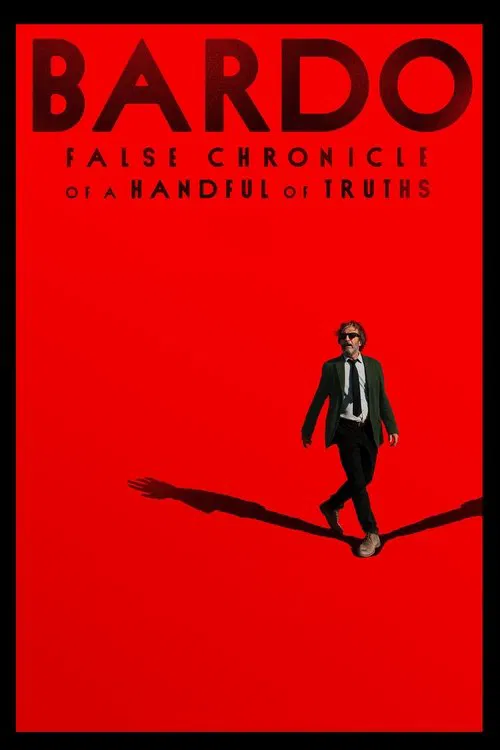
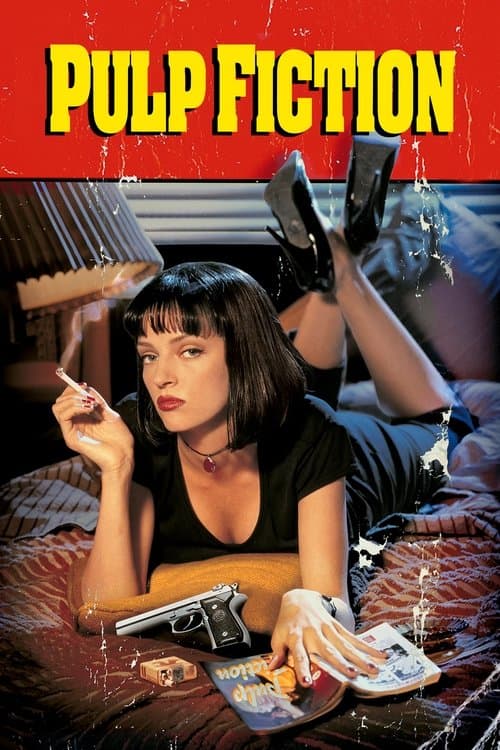
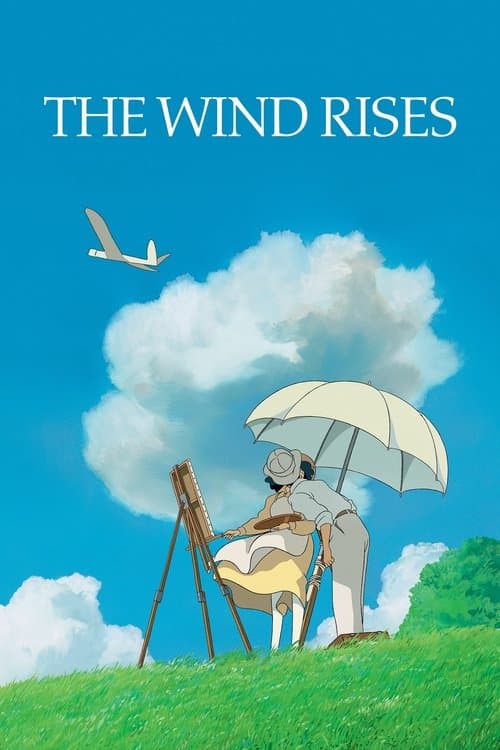
Films that share techniques with Dreams include Mulholland Drive (2001), The Wind Rises (2013), BARDO, False Chronicle of a Handful of Truths (2022), Pulp Fiction (1994).