Cinematography technique · used in 8 films

Wide-Angle Observational Staging

Filming a scene in wide shots from a distance and refusing to cut to close-ups. You watch awkward or extreme behavior play out in full, like a witness.

Examples

8 films that use it

  1. Network (1976) poster

    Network

    Sidney Lumet · 1976

    Lumet photographs the network's corporate spaces (conference rooms, executive offices, broadcast studios) in wide shots with deep focus, where everything near and far stays sharp. The compositions stress how big the institution is and how small the people are. The camera watches and never takes a side, so the criticism lands on the system and no individual is singled out.

    Where to see it: The network board meetings. The wide corporate table lines the people up in a rigid pattern, and the way they are placed shows you who holds power.
  2. The King of Comedy (1982) poster

    The King of Comedy

    Martin Scorsese · 1982

    Scorsese wanted a rawer look inspired by early silent cinema, with more static shots and fewer close-ups. He cites Edwin S. Porter's Life of an American Fireman as an influence. Awkward scenes play out in full, without the camera helping you escape them.

    Where to see it: The hostage scene in the townhouse: Rupert and Masha hold Langford, tied with tape, in a plain, still-camera setup.

  3. Dogtooth (2009) poster

    Dogtooth

    Yorgos Lanthimos · 2009

    Reviewers describe static widescreen compositions where heads and limbs are often cropped by the frame. You watch the family from a distance, as a witness. The flat, distant view makes the strange behavior feel normal to the characters and creepy to you.

    Where to see it: Family games: the three children take part in endurance contests in the house and garden while the camera stays still.

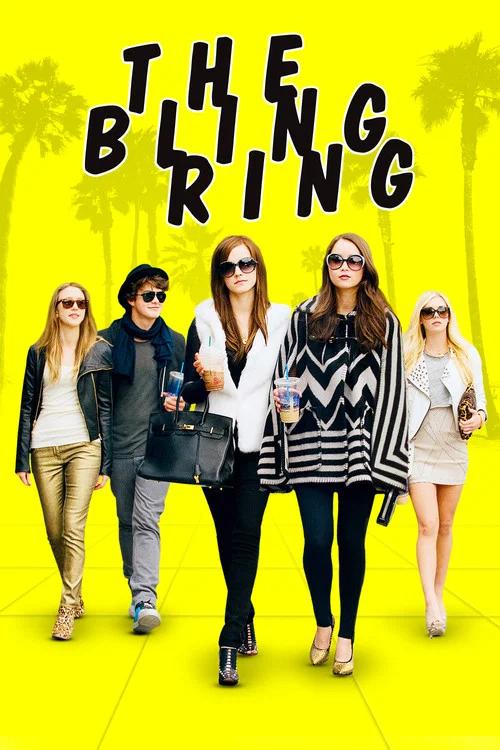
  4. The Bling Ring (2013) poster

    The Bling Ring

    Sofia Coppola · 2013

    Coppola films one burglary from far away in a wide shot, so you watch the teens move through a glass house from outside. She does not cut in for close-ups or tension. You feel like a bystander who could stop it and does not.

    Where to see it: The Audrina Patridge break-in. The teens search her home, and the camera watches from a distance instead of following them in.

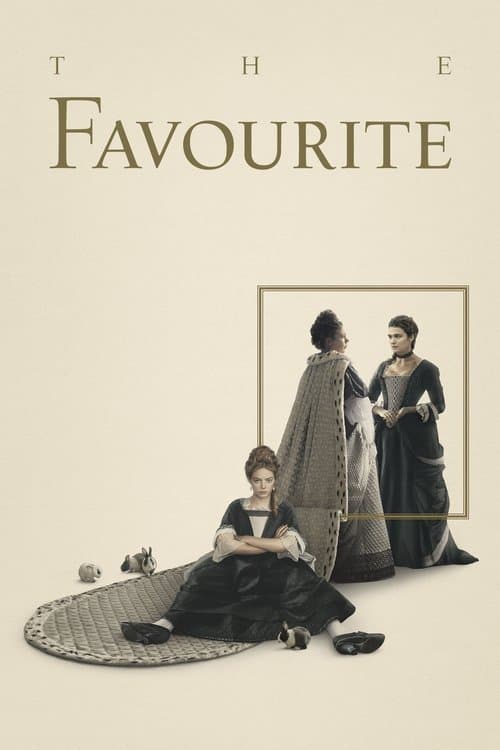
  5. The Favourite (2018) poster

    The Favourite

    Yorgos Lanthimos · 2018

    Lanthimos and cinematographer Robbie Ryan use ultra-wide-angle lenses all the way through, and that gives the palace rooms their warped look. The widest of these, the fish-eye, bends the corridors and ballrooms into curves. The halls of power look slightly wrong. The grandeur comes across as magnificent and absurd at the same time.

    Where to see it: The court sequences. The wide-angle lens makes the palace's formal rooms bulge at the edges. The warped image matches what the film says about power at court, which is that it is warped too.

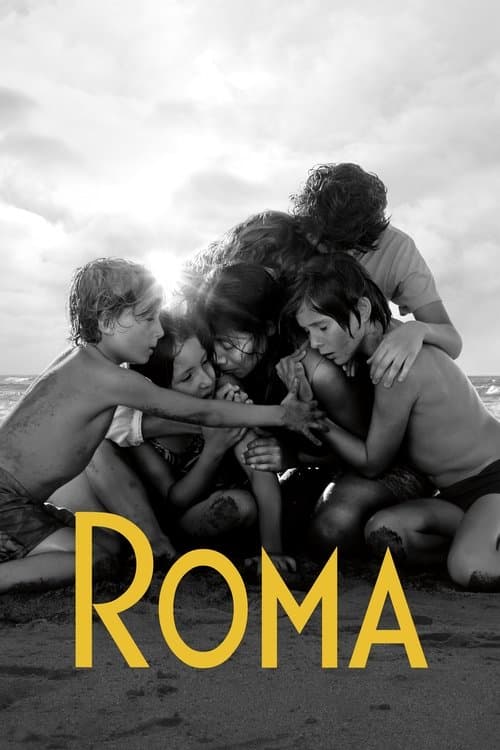
  6. Roma (2018) poster

    Roma

    Alfonso Cuarón · 2018

    Cuarón's camera sweeps across rooms and streets in long, unbroken arcs. Most films would cut between the interesting parts. This way of watching favors no single character's point of view. The wide lens keeps Cleo and the family at the same distance in the same shot, so the camera itself treats them as equals.

    Where to see it: The New Year's Eve party. The camera pans across every social level in the room without cutting. Cleo and the family's guests share the same unbroken shot.

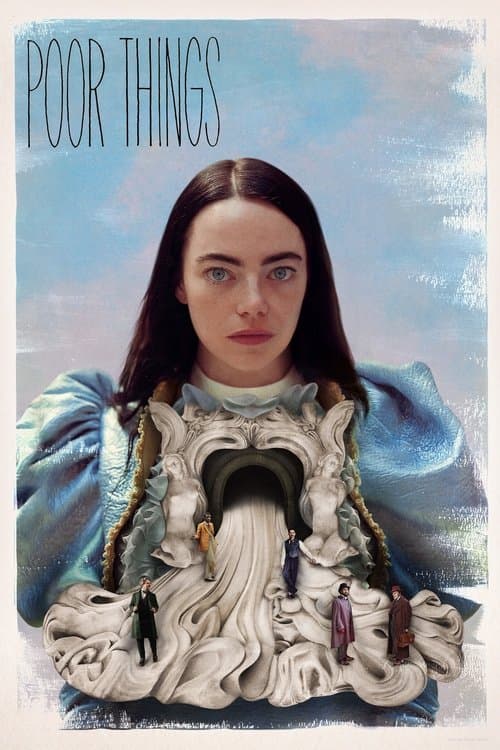
  7. Poor Things (2023) poster

    Poor Things

    Yorgos Lanthimos · 2023

    Lanthimos and Ryan use fish-eye lenses in many scenes, which are extremely wide and bend the picture. The architecture of Victorian England warps at the edges, and the film's social world looks both real and grotesque. The distortion makes the film's point: seen clearly, this society is as strange as anything Bella does within it.

    Where to see it: The Lisbon and Paris sequences. The wide-angle distortion makes the European social world Bella moves through feel magnificent and deeply odd at once.

  8. Bugonia (2025) poster

    Bugonia

    Yorgos Lanthimos · 2025

    Cinematographer Robbie Ryan (Lanthimos's regular collaborator) shoots most scenes in wide frames that barely move. Rooms feel too big and the people in them feel exposed. The camera never cuts to a reaction shot to give you relief. It just watches.

    Where to see it: The basement interrogation sequences. Michelle sits, Teddy circles her and you can see the whole layout of the room.

Questions

Quick answers

What is wide-angle observational staging in film?
Filming a scene in wide shots from a distance and refusing to cut to close-ups. You watch awkward or extreme behavior play out in full, like a witness.
Which films use wide-angle observational staging?
Network (1976), The King of Comedy (1982), Dogtooth (2009), The Bling Ring (2013), The Favourite (2018), Roma (2018) and 2 more films in the CineCode library.
What kind of technique is wide-angle observational staging?
It is a cinematography technique. Related cinematography techniques include others listed on the CineCode techniques page.