Comparison · 3 shared techniques

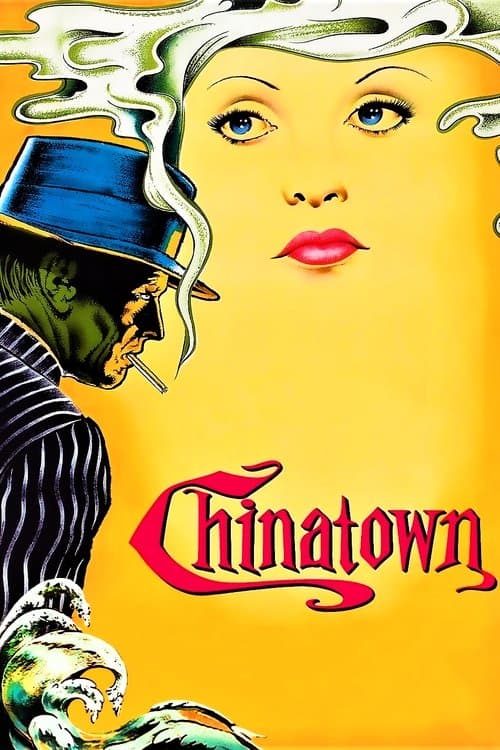
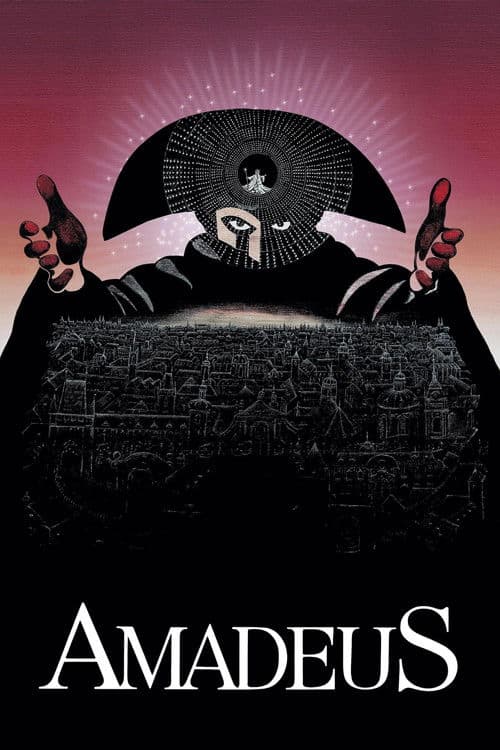
Chinatown vs Amadeus

Chinatown (1974) and Amadeus (1984) share 3 techniques. Here is how each film uses them.

Shared

Same technique, two films

Unreliable Narrator

Telling the story through a character you can't trust, because they are lying, mentally unwell or fooling themselves. At some point, you have to rethink what you were told.

Chinatown

The whole film is told from Gittes' point of view. You know what he knows, you discover what he discovers and you are wrong alongside him. His masculine confidence and professional expertise get taken apart piece by piece. When the investigation fails, it's his way of seeing the world that fails.

Amadeus

Salieri narrates from an asylum, decades after the events. He lived through them twisted by an envy that had become a sickness. His Mozart is brash, vulgar and always laughing, which is possibly accurate and certainly exaggerated. You have to read between the lines of Salieri's bitterness to glimpse the real genius he couldn't bear.

Chiaroscuro Lighting

Lighting a scene with strong contrast between bright light and deep shadow, a style borrowed from old paintings called chiaroscuro. How lit a character is hints at their moral or mental state.

Chinatown

John Alonzo photographs Los Angeles in the noir tradition of chiaroscuro, with a strong contrast between light and dark. The city looks sunny and corrupt at once, and many first-half scenes sit in deep blacks.

Amadeus

Chiaroscuro is lighting built on strong contrast between light and dark. Miroslav Ondříček lights Vienna with candles and fires. That creates deep shadows where Salieri does his scheming, while Mozart moves through brighter, messier spaces. The lighting marks Salieri as a man of shadow (intelligent, hidden, destructive) against Mozart's careless brightness.

Period Color Separation

Giving each time period or social world in the film its own set of colors. You always know where and when you are, and the colors carry a mood too.

Chinatown

The amber and ochre tones present 1930s Los Angeles as a real historical setting. They also make it a classic picture of corruption, heat and moral decay.

Amadeus

Vienna's imperial world is shown in golds, crimsons and warm candlelight, and everything looks rich. The asylum scenes that frame the story are cold and gray, with the color drained out. The contrast lets you follow the film's structure by color alone. The past is warm and full of music and obsession. The present is cold, with only madness and confession.