Science Fiction · Drama

A.I. Artificial Intelligence

Steven Spielberg, 2001

In a future with rising seas, a robot boy named David is built to love and is placed with a family. After they cast him out, he sets off to find the Blue Fairy so he can become real. For filmmakers, watch how a fairy tale gets dressed in cold science fiction.

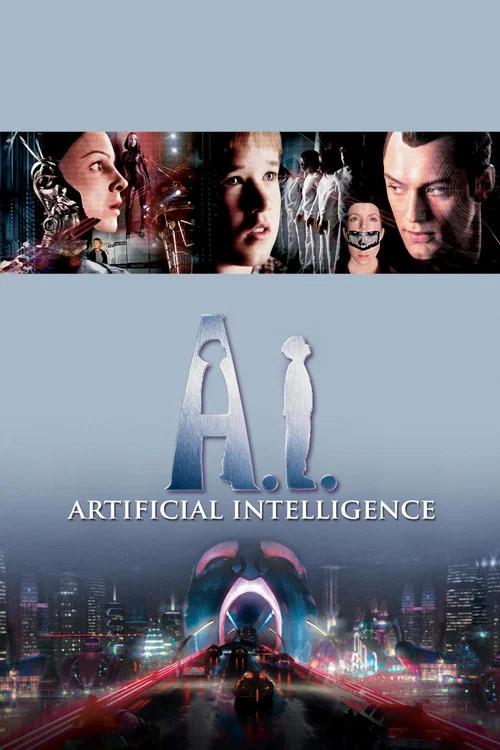
A.I. Artificial Intelligence (2001) poster

At a glance

A.I. Artificial Intelligence is a 2001 science fiction and drama film directed by Steven Spielberg. This breakdown covers 4 techniques (1 psychology, 1 cinematography and 2 narrative), each with the scene where you can see it. If you like how it is made, The Apartment uses several of the same techniques.

Psychology

Uncanny

Making something familiar look slightly wrong, like an ordinary house or face that feels off. The dread comes from that strangeness, with no obvious threat on screen.

How this film uses it

David looks and sounds like a child, but small details show what he is. He copies behavior instead of feeling it, and the smile stays a moment too long. You feel pity and unease in the same scene.

Where to see it

The laughing scene: At the dinner table, David copies Martin's laughter with a stiff, empty laugh that unsettles the whole family.
Cinematography

Production Design as Psychological Space

Designing the sets to reflect what is going on inside a character. The place they live in tells you things about them that the dialogue doesn't.

How this film uses it

Rouge City is all neon and pleasure, a place built to tell you what its visitors want. A holographic answer engine called Dr. Know sits inside it. The look of the place says the world is eager to sell comfort to lonely people.

Where to see it

Rouge City: David and Gigolo Joe travel to the resort town, where Dr. Know tells them where to search for the Blue Fairy.

Narrative

Tonal Bifurcation

Giving a film 2 very different tones, such as comedy and tragedy, often split into halves. Each makes the other hit harder, and the film never blends them into 1.

How this film uses it

The film starts as a quiet domestic story in a suburban home. Then David is abandoned, and it becomes a harsh road odyssey with scrap yards and mobs. One reading is that each half makes the other feel colder or sadder.

Where to see it

The Flesh Fair: After the family scenes, David is taken to a traveling show where old robots are destroyed for a cheering crowd.

Narrative

Fairy Tale Structure

Shaping the story with fairy tale elements such as quests, enchanted figures and moral tests, or letting them break into a realistic world.

How this film uses it

David decides to find the Blue Fairy after hearing the story of Pinocchio. His whole journey follows from that one childlike plan. The film keeps the quest simple, and that makes the long, strange ending hit harder.

Where to see it

The search for the Blue Fairy: David and Teddy go to the flooded ruins of New York City, looking for the fairy who can make him a real boy.

Questions

A.I. Artificial Intelligence: quick answers

What filmmaking techniques does A.I. Artificial Intelligence use?
CineCode breaks down 4 techniques in A.I. Artificial Intelligence (2001): Uncanny, Production Design as Psychological Space, Tonal Bifurcation and Fairy Tale Structure.
Who directed A.I. Artificial Intelligence?
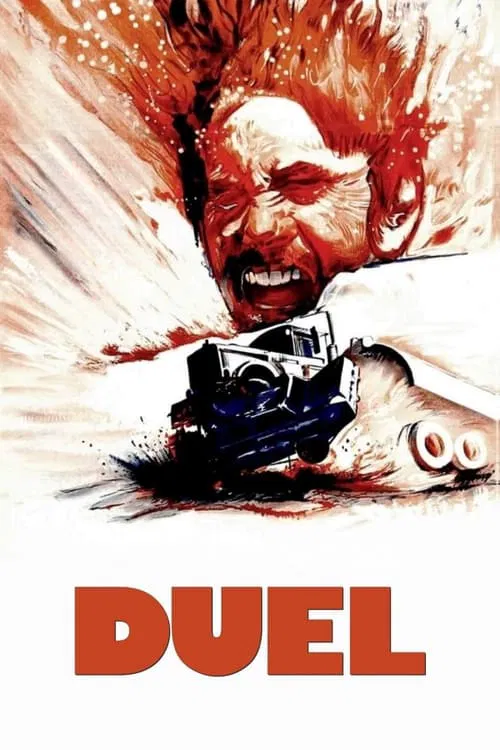
Steven Spielberg directed A.I. Artificial Intelligence, released in 2001. CineCode also covers Duel (1971), Jaws (1975), Close Encounters of the Third Kind (1977), 1941 (1979), Raiders of the Lost Ark (1981), E.T. the Extra-Terrestrial (1982).
What films are similar to A.I. Artificial Intelligence?
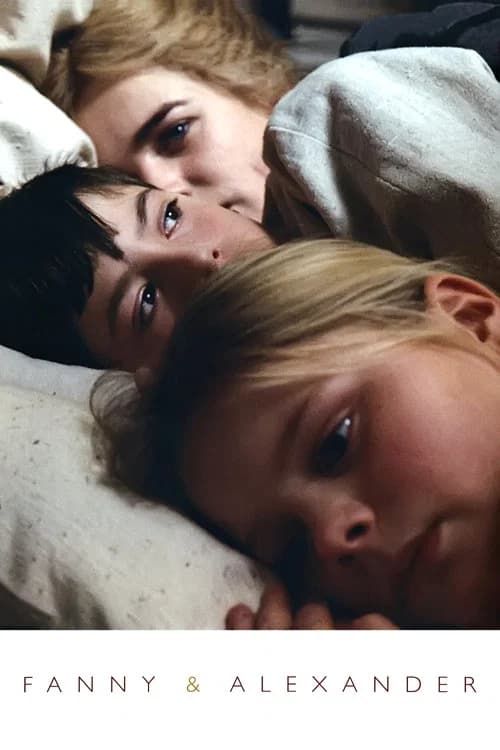
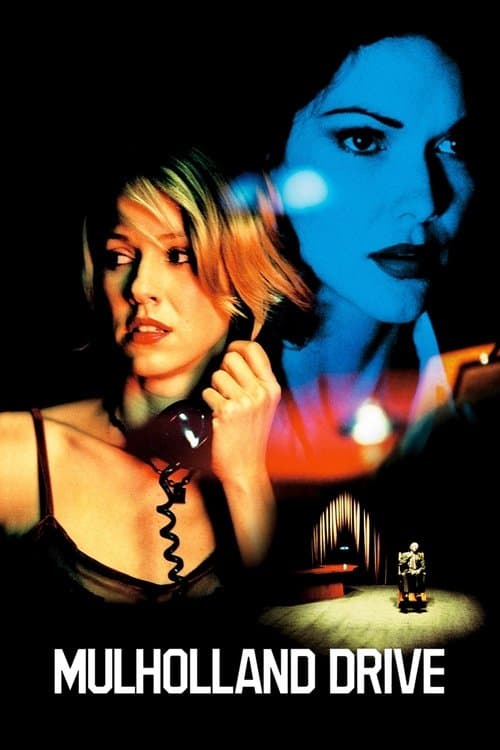
Films that share techniques with A.I. Artificial Intelligence include The Apartment (1960), Brazil (1985), Fanny and Alexander (1982), Mulholland Drive (2001).