Action · Thriller · Horror

Death Proof

Quentin Tarantino, 2007

Stuntman Mike drives a car he calls death proof and uses it to kill young women. In the second half, a new group of women, including a real stuntwoman, turn the chase around. Worth watching as a filmmaker for real car stunts and a deliberately scratched 1970s look.

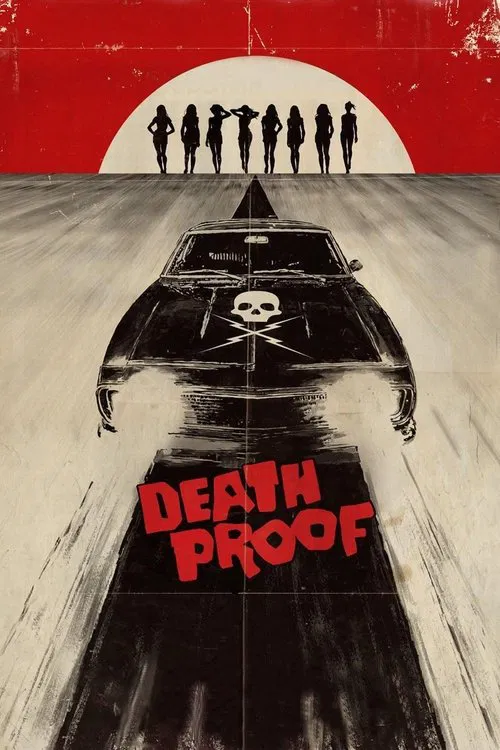
Death Proof (2007) poster

At a glance

Death Proof is a 2007 action, thriller and horror film directed by Quentin Tarantino. This breakdown covers 4 techniques (2 narrative and 2 cinematography), each with the scene where you can see it. If you like how it is made, Inception uses several of the same techniques.

Narrative

Tonal Bifurcation

Giving a film 2 very different tones, such as comedy and tragedy, often split into halves. Each makes the other hit harder, and the film never blends them into 1.

How this film uses it

The first half plays like a slasher film and the second like a revenge chase. Each makes the other stronger, because the women in the second half have to pay off the dread of the first. The film never blends the two into one tone.

Where to see it

Austin bar: Stuntman Mike offers a ride to Pam, who dies when he brakes hard and her head hits the dashboard.
Cinematography

Practical In-Camera Effects

Creating effects physically on set with makeup, prosthetics, built props and camera tricks, with no computer graphics added later. The results look solid and real.

How this film uses it

Tarantino has criticized CGI car stunts, saying he wanted action he could feel in his stomach. The hood stunt was done for real, with Zoe Bell on the car. You can tell the danger is not a trick.

Where to see it

Hood stunt: Stuntwoman Zoe Bell rides on the hood of a speeding car while Mike rams it.

Cinematography

Period Film Look Imitation

Recreating the look of an earlier era's film or television using period cameras, film stock, lighting and contrast. The images feel like real records from that time or a tribute to it.

How this film uses it

The film was made to look like a damaged 1970s exploitation print. A missing reel card stands in for some scenes, including a lap dance. The wear tells you not to expect polish and puts you in the mood of a late-night double feature.

Where to see it

Missing reel: The US version replaces the lap dance with a title card saying a reel is missing.

Narrative

Female Agency as Structural Default

Putting women at the center as leads, leaders and villains, and letting their choices drive every major plot turn. The story treats this as normal and never makes their gender the subject.

How this film uses it

Women lead both halves, and their choices drive the plot. In the second half they decide to hunt Mike back. The film does not make a speech about it.

Where to see it

Final chase: The women chase Mike down, wreck his car and beat him to death.

Questions

Death Proof: quick answers

What filmmaking techniques does Death Proof use?
CineCode breaks down 4 techniques in Death Proof (2007): Tonal Bifurcation, Practical In-Camera Effects, Period Film Look Imitation and Female Agency as Structural Default.
Who directed Death Proof?
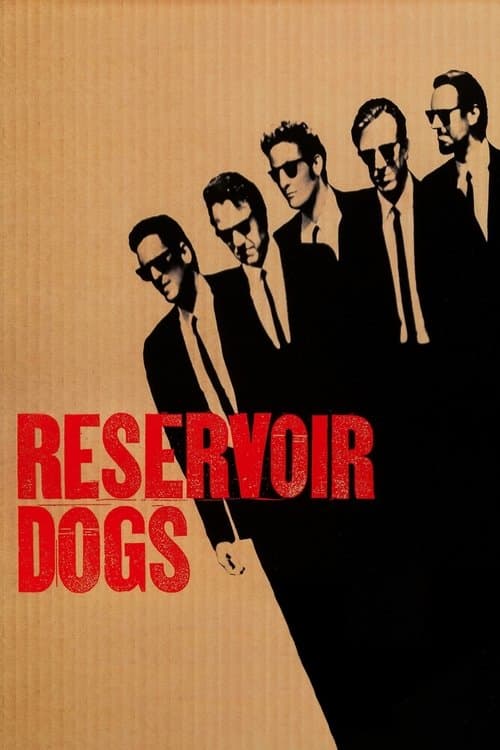
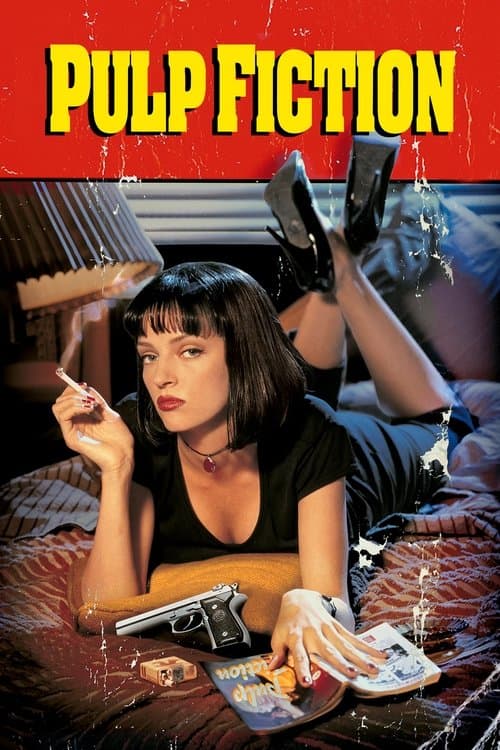
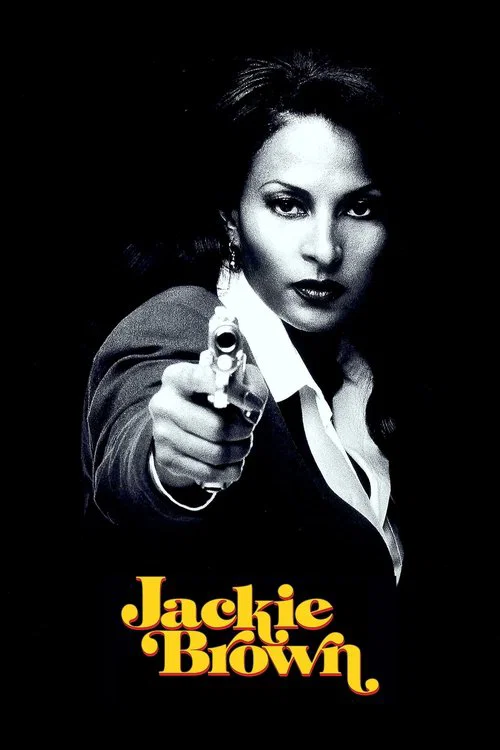
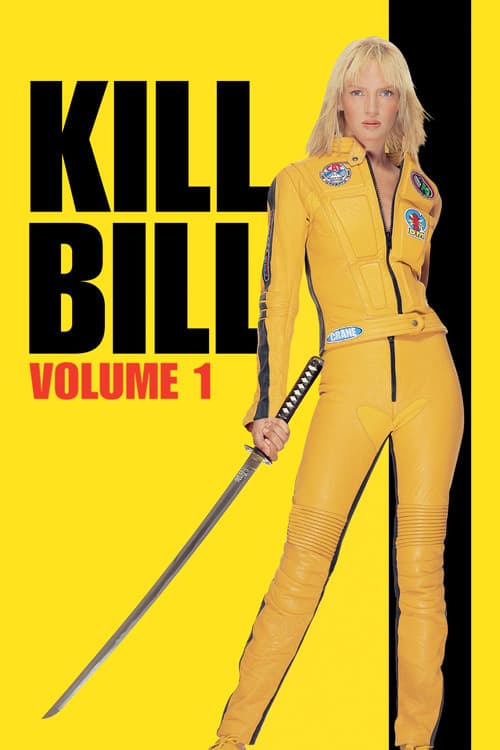
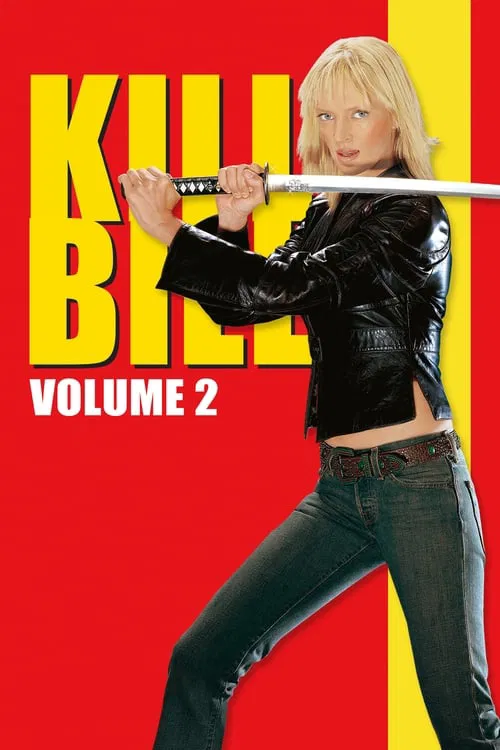
Quentin Tarantino directed Death Proof, released in 2007. CineCode also covers Reservoir Dogs (1992), Pulp Fiction (1994), Jackie Brown (1997), Kill Bill: Volume 1 (2003), Kill Bill: Vol. 2 (2004), Inglourious Basterds (2009).
What films are similar to Death Proof?
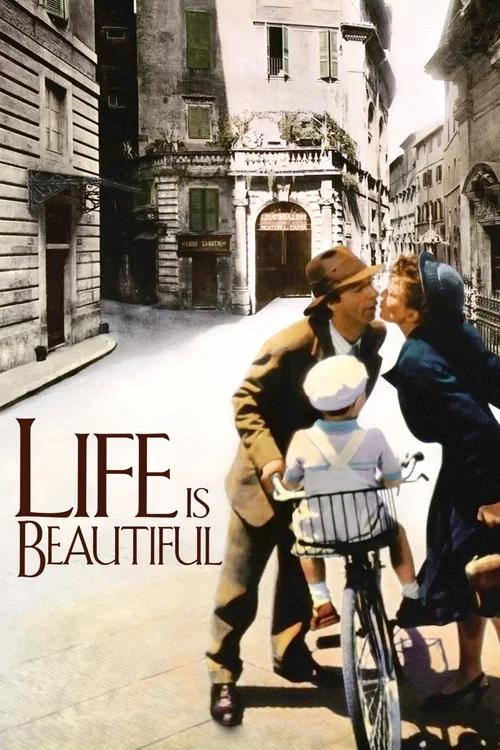
Films that share techniques with Death Proof include Inception (2010), Eternal Sunshine of the Spotless Mind (2004), Life is Beautiful (1997), Princess Mononoke (1997).