Action · Crime · Thriller

Kill Bill: Vol. 2

Quentin Tarantino, 2004

The Bride, left for dead at her wedding rehearsal, goes on with her revenge. She is buried alive by Budd, fights Elle Driver in a trailer and finally faces Bill, the man who ordered the massacre. Worth watching as a filmmaker for how the second half talks more and gives the heroine her backstory.

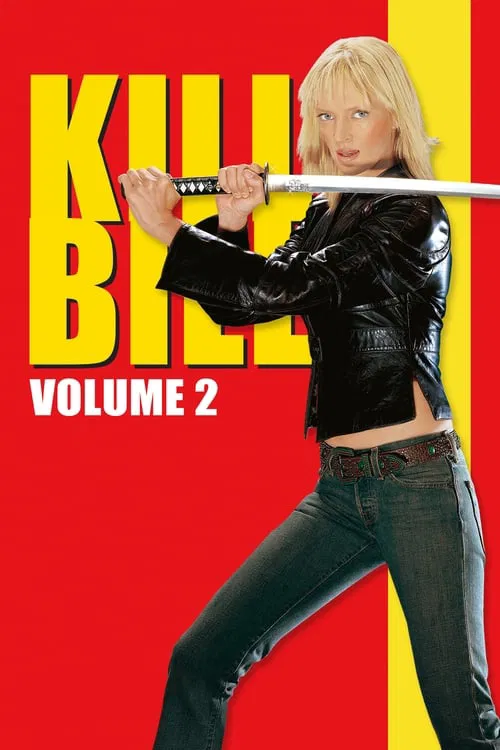
Kill Bill: Vol. 2 (2004) poster

At a glance

Kill Bill: Vol. 2 is a 2004 action, crime and thriller film directed by Quentin Tarantino. This breakdown covers 5 techniques (3 narrative, 1 cinematography and 1 editing), each with the scene where you can see it. If you like how it is made, Parasite uses several of the same techniques.

Narrative

Two-Film Diptych Structure

Splitting a story into 2 halves, or 2 films, that each have their own tone, look and main character. The meaning comes from the contrast between them.

How this film uses it

The story was shot as one film and split in two, and Volume 1 came out six months earlier. Tarantino has said he saved most of the Bride's character development for this second part. That gives it its own feel, built on who she is and why she fights.

Where to see it

Final confrontation: In Mexico, Bill drugs the Bride with truth serum and the two finally talk.

Cinematography

Spatial Contraction

Shrinking the space the characters have as the film goes on, from open places down to cramped hiding spots. The smaller their world gets, the more pressure you feel.

How this film uses it

The space shrinks as the Bride is sealed in a coffin and buried. You are forced to feel how little room she has. The fear comes from how small her world has become.

Where to see it

Buried alive: Budd ambushes and sedates the Bride, seals her in a coffin and buries her.

Narrative

Chekhov's Gun

Showing an object or detail early on that becomes important later. The idea is that nothing gets screen time unless the story is going to use it.

How this film uses it

The Pai Mei training flashbacks set up skills the Bride will need later. When she is buried, she uses his lessons to claw out of the coffin. At the end, the Five Point Palm Exploding Heart Technique pays off against Bill.

Where to see it

Pai Mei training: Bill tells the young Bride about the Five Point Palm Exploding Heart Technique, and the master mocks and torments her as she trains.

Narrative

Pop Culture Monologue

Writing long speeches where characters talk in detail about films, music or other pop culture. How they analyze these small things shows you who they are.

How this film uses it

Bill talks at length about Superman and Clark Kent. One reading is that the speech tells you more about Bill's view of the world than about comics. It makes the villain feel like a person who has thought about this for years.

Where to see it

Truth serum talk: Bill gives his speech about Superman while the Bride is under the truth serum.

Editing

Chapter Title Cards

Dividing the film into named chapters with title cards on screen. Each title tells you what the next section will focus on and shapes how you read it.

How this film uses it

Title cards name each chapter, such as Massacre at Two Pines, so you know what the next section will cover. They give the film a pulp-novel structure. You are told where you are, which lets the story jump back to the past without confusion.

Where to see it

Chapter Six: Massacre at Two Pines: A title card introduces the wedding rehearsal massacre.

Questions

Kill Bill: Vol. 2: quick answers

What filmmaking techniques does Kill Bill: Vol. 2 use?
CineCode breaks down 5 techniques in Kill Bill: Vol. 2 (2004): Two-Film Diptych Structure, Spatial Contraction, Chekhov's Gun, Pop Culture Monologue and Chapter Title Cards.
Who directed Kill Bill: Vol. 2?
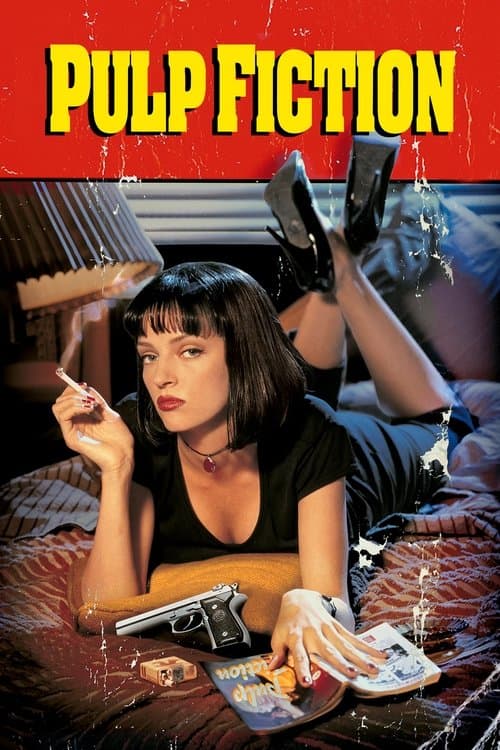
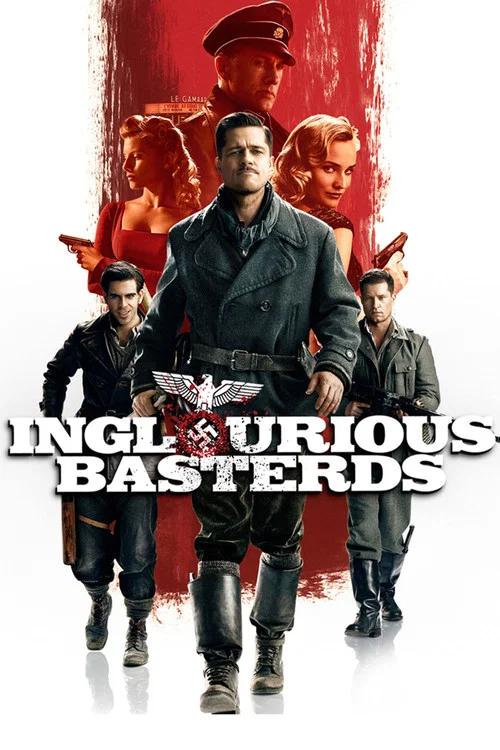
Quentin Tarantino directed Kill Bill: Vol. 2, released in 2004. CineCode also covers Reservoir Dogs (1992), Pulp Fiction (1994), Jackie Brown (1997), Kill Bill: Volume 1 (2003), Death Proof (2007), Inglourious Basterds (2009).
What films are similar to Kill Bill: Vol. 2?
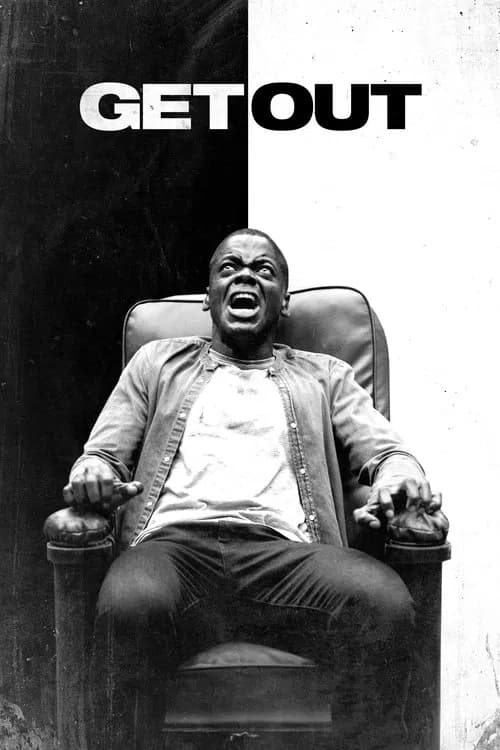
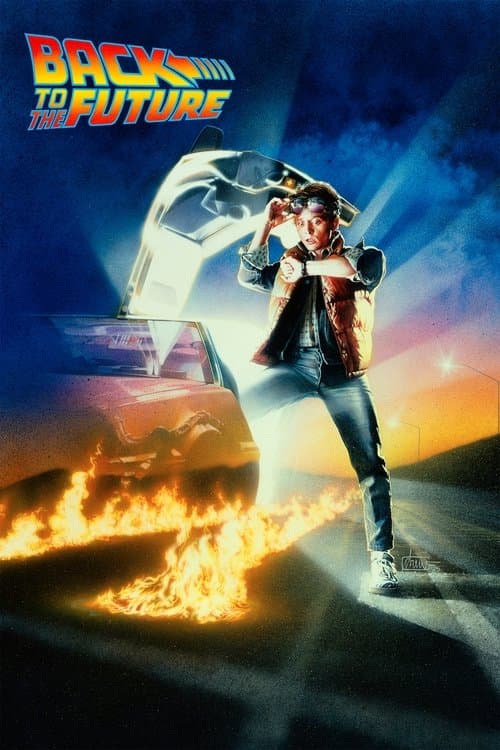
Films that share techniques with Kill Bill: Vol. 2 include Parasite (2019), Get Out (2017), Pulp Fiction (1994), Back to the Future (1985).