Crime · Romance · Mystery

Decision to Leave

Park Chan-wook, 2022

A precise detective investigates a suspicious death on a mountain and becomes obsessed with the victim's alluring Chinese wife. He can no longer tell if she is guilty or innocent because his desire has corrupted his judgment. Park Chan-wook's film is a neo-noir, a modern take on the dark crime film, about a detective story that love destroys.

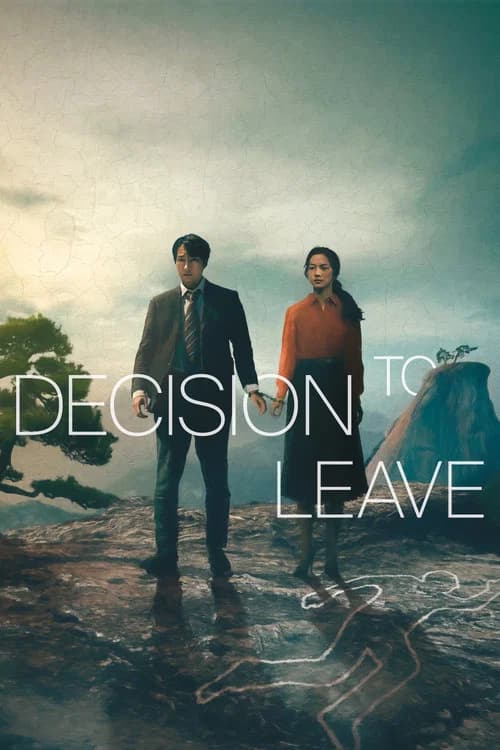
Decision to Leave (2022) poster

At a glance

Decision to Leave is a 2022 crime, romance and mystery film directed by Park Chan-wook. This breakdown covers 4 techniques (2 narrative, 1 editing and 1 cinematography), each with the scene where you can see it. If you like how it is made, Moby Dick uses several of the same techniques.

Narrative

Obsession as Structural Engine

Building the whole plot on one character's fixation with a person, goal or rival. Every scene ties back to it, and the obsession keeps feeding itself while it destroys them.

How this film uses it

The murder investigation is the setup, but the film is really about Hae-jun's obsession with Seo-rae. Every step of the police work is a cover for the real story. He can't stop watching a woman whose guilt would destroy everything he is.

Where to see it

Hae-jun running surveillance on Seo-rae from across the street while she can see him. The detective and the suspect watch each other, so the watcher no longer holds the power.


Narrative

Surveillance as Emotional Intimacy

Showing a watcher who comes to know the person they spy on better than anyone in that person's life. The watching, through binoculars, long lenses or CCTV, becomes a closeness that changes the watcher.

How this film uses it

Park shows Hae-jun's surveillance as a kind of courtship. The camera enters the apartment and imagines conversations. You can't separate the detective's professional watching from erotic fixation.

Where to see it

Hae-jun watching Seo-rae's apartment through binoculars from across the street. Park cuts between his view and a shot of him sitting inside her flat. You can't tell the surveillance from longing.

Editing

Shot-Reverse-Shot Subversion

Changing the standard way of filming a conversation, which cuts back and forth between 2 speakers. Breaking that pattern makes the exchange feel off and shifts who seems in control.

How this film uses it

Park stages conversations between Hae-jun and Seo-rae in ways that are physically impossible, with one character appearing in the other's space. The editing gives them a shared inner world that the physical world has no room for.

Where to see it

The stakeout, where Park cuts from Hae-jun in his car with binoculars to Hae-jun sitting inside Seo-rae's apartment. The editing removes the distance between detective and suspect.

Cinematography

Color Grading as Psychology

Adjusting the film's overall color, such as how warm, cold or vivid it looks, to match a character's emotional state. It can also separate different realities or states of mind.

How this film uses it

Kim Ji-yong shoots with anamorphic lenses for a classic, textural look. Teal and yellow tones divide spaces and mark moods, and teal is tied to Hae-jun's confusion.

Where to see it

The coastal town sequences where Hae-jun tracks Seo-rae. The sea mist softens every edge. The color grade, the color adjustment done after filming, makes the investigation feel like a dream he can't wake from.

Questions

Decision to Leave: quick answers

What filmmaking techniques does Decision to Leave use?
CineCode breaks down 4 techniques in Decision to Leave (2022): Obsession as Structural Engine, Surveillance as Emotional Intimacy, Shot-Reverse-Shot Subversion and Color Grading as Psychology.
Who directed Decision to Leave?
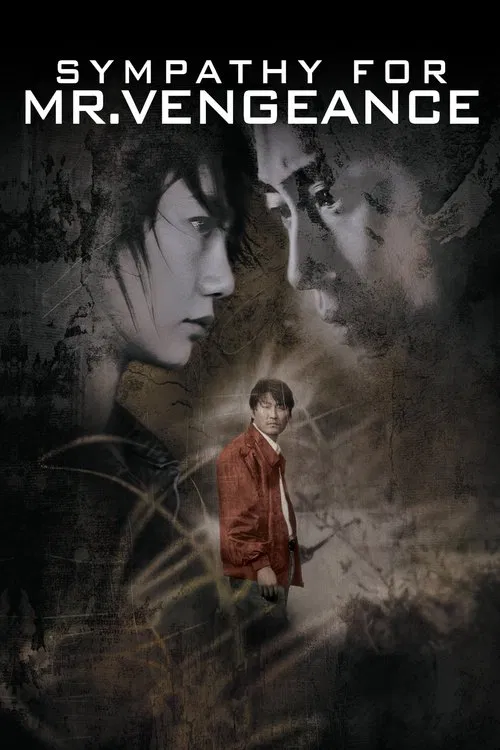
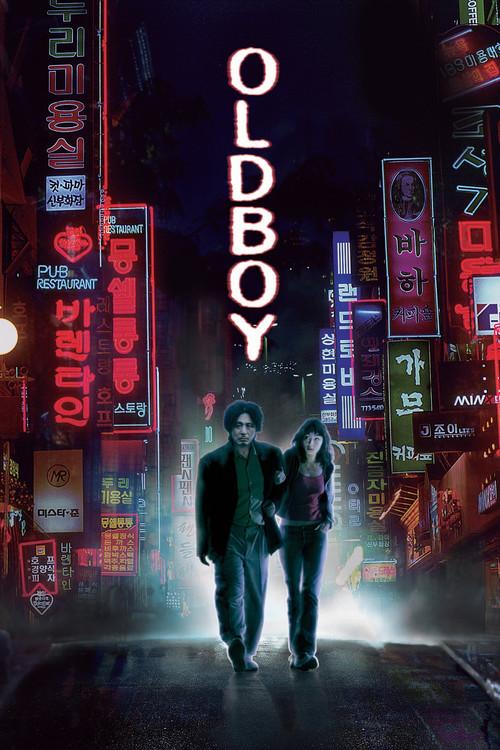
Park Chan-wook directed Decision to Leave, released in 2022. CineCode also covers Joint Security Area (2000), Sympathy for Mr. Vengeance (2002), Oldboy (2003), Lady Vengeance (2005), I'm a Cyborg, But That's OK (2006), Thirst (2009).
What films are similar to Decision to Leave?
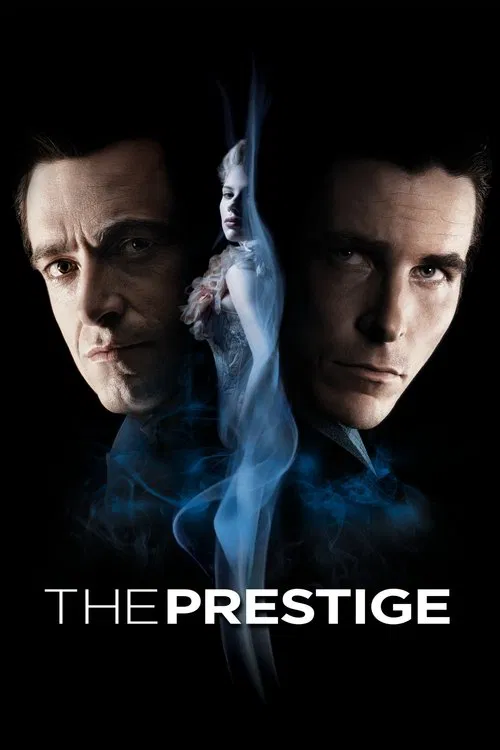
Films that share techniques with Decision to Leave include Moby Dick (1956), Her (2013), Fight Club (1999), The Prestige (2006).