Comedy · Drama

Fellini's Roma

Federico Fellini, 1972

Fellini's loose, semi-autobiographical portrait of Rome mixes memories of his 1930s arrival with scenes of a film crew shooting in the 1970s. There is no main plot, just episodes. Worth watching for the church fashion show and the frescoes that fade the moment they are uncovered.

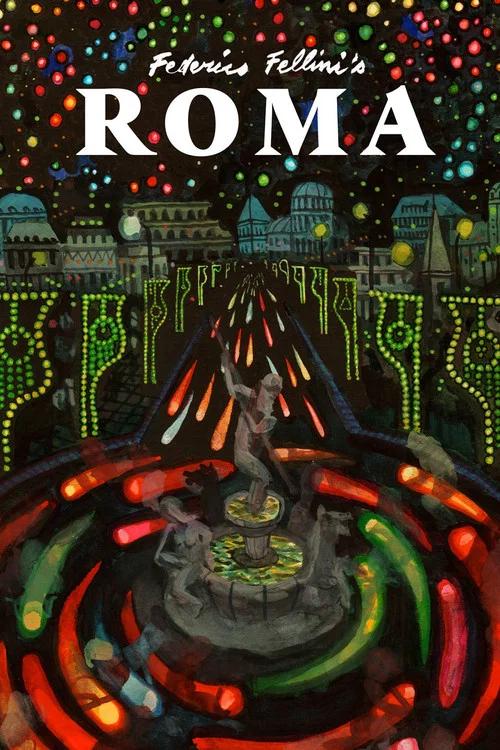
Fellini's Roma (1972) poster

At a glance

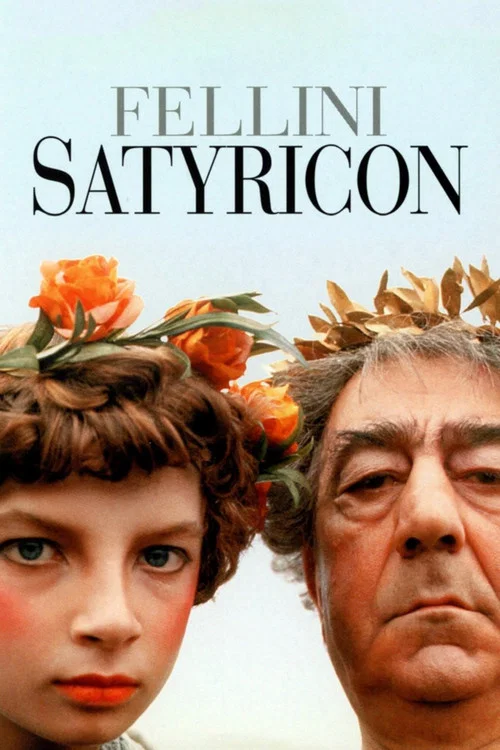
Fellini's Roma is a 1972 comedy and drama film directed by Federico Fellini. This breakdown covers 5 techniques (2 narrative, 2 cinematography and 1 sound), each with the scene where you can see it. If you like how it is made, Fellini Satyricon uses several of the same techniques.

Narrative

Parallel Chronology

Cutting back and forth between 2 timelines, often past and present. Each one helps explain the other as the film goes on.

How this film uses it

The film alternates between the young Fellini's journey to Rome and a film crew making a movie about the city decades later. Each period helps explain the other.

Where to see it

The two Romes: scenes of a young man's first boarding house are cut against the crew's 1970s shoot.
Narrative

Picaresque Structure

Telling the story as a loose string of separate adventures, often following a low-status hero through different levels of society. With no single plot, the episodes add up to a portrait of a world.

How this film uses it

Roma moves through a string of unconnected episodes with no single plot. They include a guesthouse with odd residents, two brothels and a vaudeville theater.

Where to see it

The vaudeville and brothel episodes: each is its own little world, and together they form a portrait of Rome.

Cinematography

Costume as Storytelling

Designing wardrobes that carry character, status or change as much as the acting does. Clothes tell you who someone is or has become before they speak.

How this film uses it

An elderly noblewoman stages a fashion show for a Cardinal with priests and nuns in bizarre outfits. The clothes tell you what Fellini thinks of the church's pomp.

Where to see it

The ecclesiastical fashion show: models parade religious costumes before an audience of clergy.

Cinematography

Vanishing Image Reveal

Showing a precious image appearing and then fading within seconds of being uncovered. It reminds you that history cannot be held or kept.

How this film uses it

Workers break into an ancient space and find a catacomb with frescoes. The paintings begin to decay once the air reaches them.

Where to see it

The catacomb frescoes: excavators find old paintings that decay soon after exposure to air.

Sound

Composer Signature Score

Letting a particular composer's or musician's style define the film's sound. The music has a recognizable voice that shapes mood and character.

How this film uses it

Nino Rota's score gives the film its warm, slightly carnival tone. The music keeps the loose episodes feeling like parts of 1 memory.

Where to see it

The vaudeville theater: Rota's music supports the lively crowd and gives the scene a nostalgic feel.

Questions

Fellini's Roma: quick answers

What filmmaking techniques does Fellini's Roma use?
CineCode breaks down 5 techniques in Fellini's Roma (1972): Parallel Chronology, Picaresque Structure, Costume as Storytelling, Vanishing Image Reveal and Composer Signature Score.
Who directed Fellini's Roma?
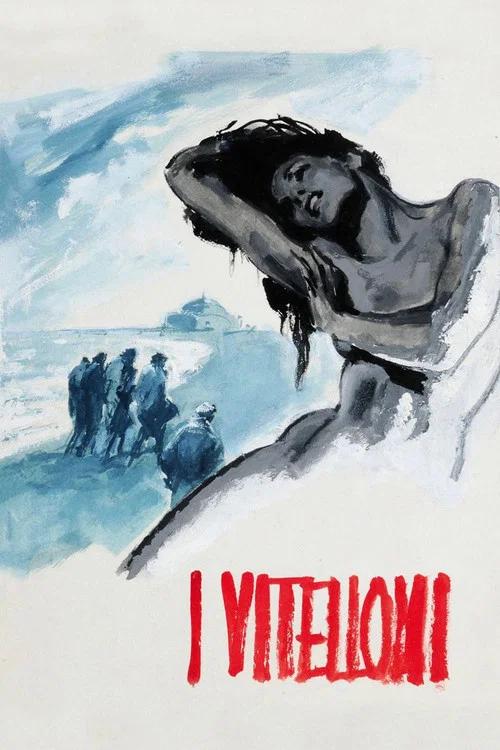
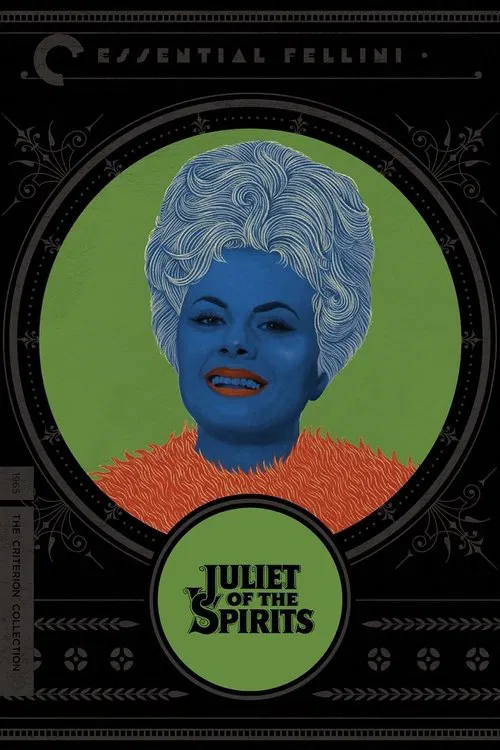
Federico Fellini directed Fellini's Roma, released in 1972. CineCode also covers I Vitelloni (1953), La Strada (1954), Nights of Cabiria (1957), La Dolce Vita (1960), 8½ (1963), Juliet of the Spirits (1965).
What films are similar to Fellini's Roma?
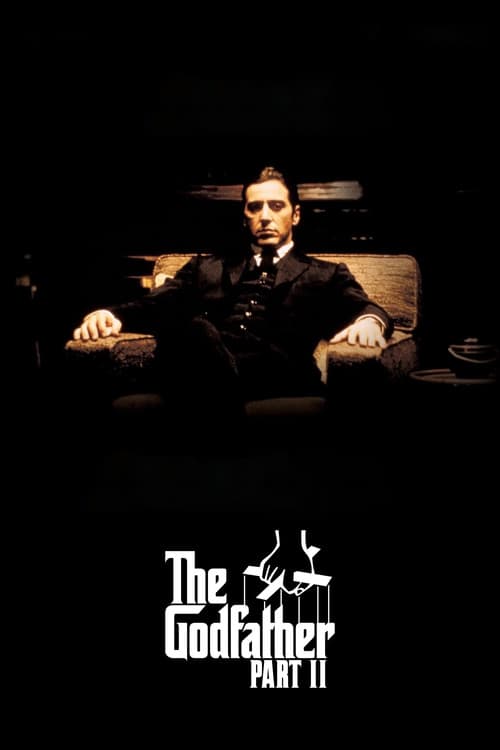
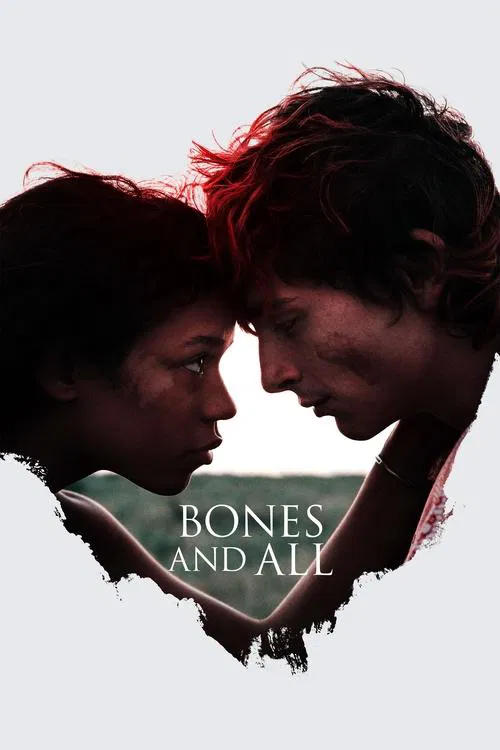
Films that share techniques with Fellini's Roma include Fellini Satyricon (1969), Bones and All (2022), The Godfather Part II (1974), Forrest Gump (1994).