Thriller · Crime · Drama

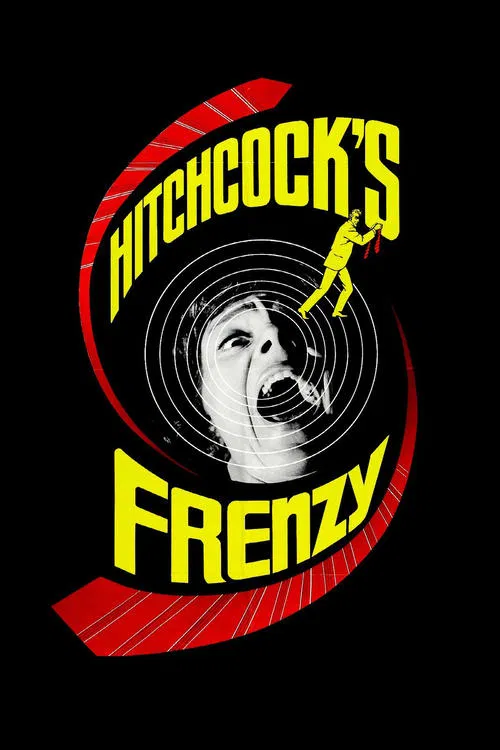
Frenzy

Alfred Hitchcock, 1972

A fired London barman becomes the prime suspect in a string of necktie murders, while the real killer is his friend, a Covent Garden fruit seller. Hitchcock came home to London for this one.

Frenzy (1972) poster

At a glance

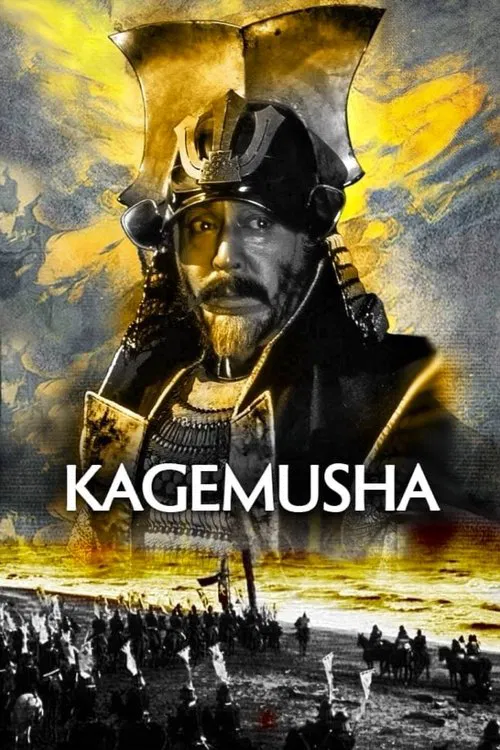
Frenzy is a 1972 thriller, crime and drama film directed by Alfred Hitchcock. This breakdown covers 5 techniques (2 narrative, 2 cinematography and 1 psychology), each with the scene where you can see it. If you like how it is made, Kagemusha uses several of the same techniques.

Narrative

Wrong Man Plot

Making an innocent person look guilty through coincidence and circumstantial evidence, while the audience knows or senses the truth. Everyday life turns dangerous because nobody believes them.

How this film uses it

Blaney quarrels with his ex-wife Brenda, is seen leaving her office and is arrested for her murder. His friend Rusk, who is the real killer, even offers him a place to hide. Hitchcock keeps you on Blaney's side while the net tightens.

Where to see it

Brenda's office. Blaney finds the office locked and leaves, and Brenda's secretary sees him go. After the murder, he is the prime suspect.
Cinematography

Tracking Shot Choreography

Moving the camera in 1 long, unbroken and carefully planned shot that follows the action through several spaces. You see how people fit into their world without a single cut.

How this film uses it

After Rusk takes Babs up to his flat, the camera moves backward down the stairs, out the door and across the market street. It is 1 smooth move, with the usual activity of the market going on. You are carried away from the room with the crime in it.

Where to see it

Babs and Rusk's stairs. The camera retreats down the staircase and across the street as the market noise continues.

Cinematography

Off-Screen Atrocity

Keeping the worst violence outside the frame. You hear it or see its effects and other people's reactions, and your imagination does the rest.

How this film uses it

Brenda's murder is shown in full, but Babs's is kept out of sight. The camera leaves, and your imagination does the rest. The contrast is chilling, because you have seen exactly what Rusk is capable of.

Where to see it

Babs's murder. After the camera retreats from Rusk's flat, you see nothing more of what happens inside.

Narrative

Symbolic Object

Returning to the same physical object again and again until it means more than what it is. It moves the plot and also stands for the film's main ideas.

How this film uses it

Rusk strangles his victims with neckties, and his distinctive tie pin gives him away. When he realizes Babs tore it off, he has to retrieve it. The tie and the pin come to stand for his crimes.

Where to see it

The potato lorry. Rusk climbs into a truck carrying Babs's body and breaks her fingers to retrieve his tie pin.

Psychology

Gallows Humor Relief

Mixing dry, grim jokes into dark events. The laugh catches in your throat, and the dread feels more ordinary and real.

How this film uses it

Chief Inspector Oxford's wife serves terrible dishes from her cooking class while he thinks about murder. The jokes lighten the mood and make the story feel more ordinary. The humor sits right next to the grim crimes.

Where to see it

The dinner scenes. Oxford discusses the case with his wife while trying not to eat her new recipes.

Questions

Frenzy: quick answers

What filmmaking techniques does Frenzy use?
CineCode breaks down 5 techniques in Frenzy (1972): Wrong Man Plot, Tracking Shot Choreography, Off-Screen Atrocity, Symbolic Object and Gallows Humor Relief.
Who directed Frenzy?
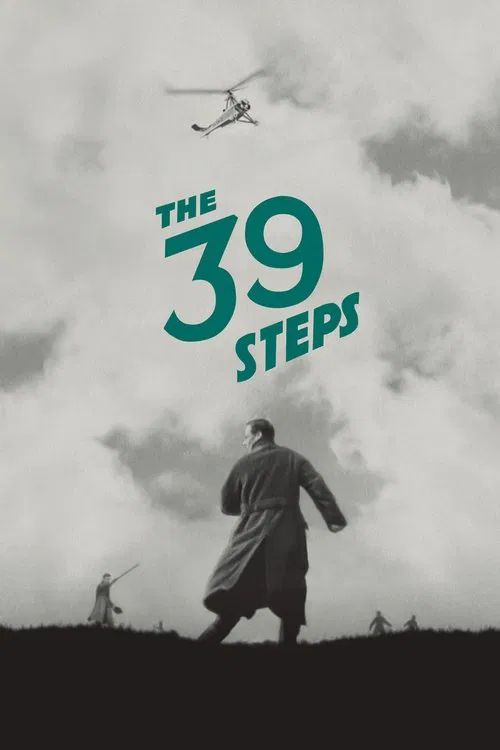
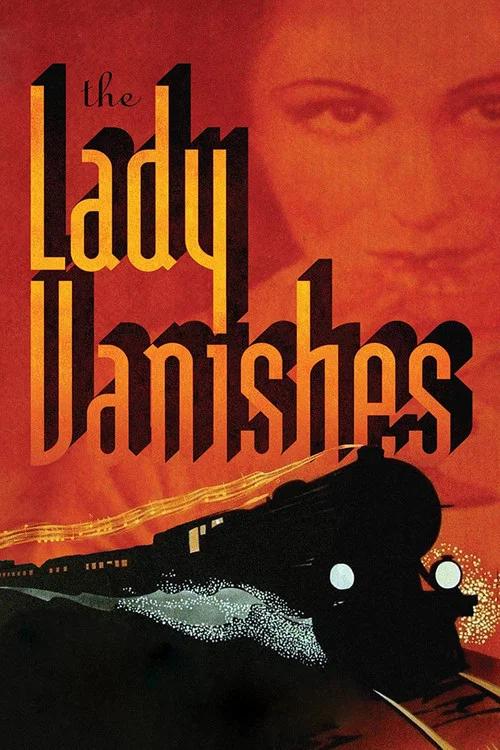
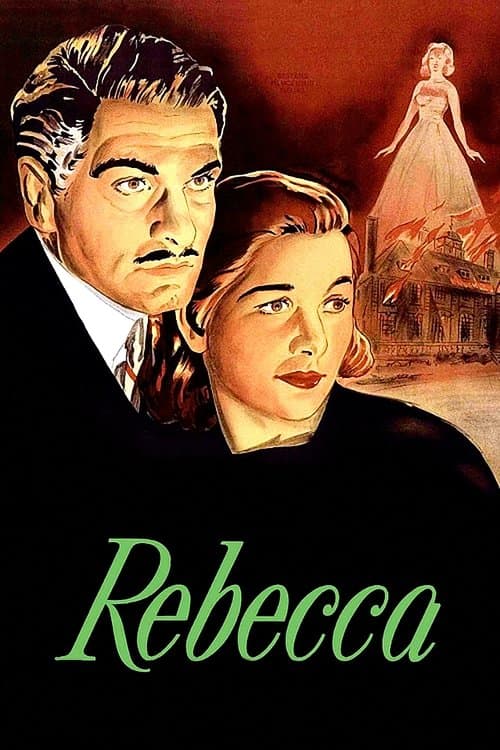
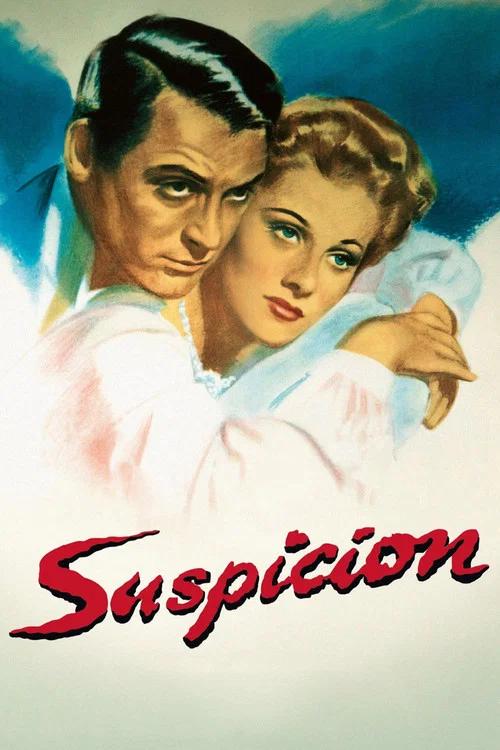
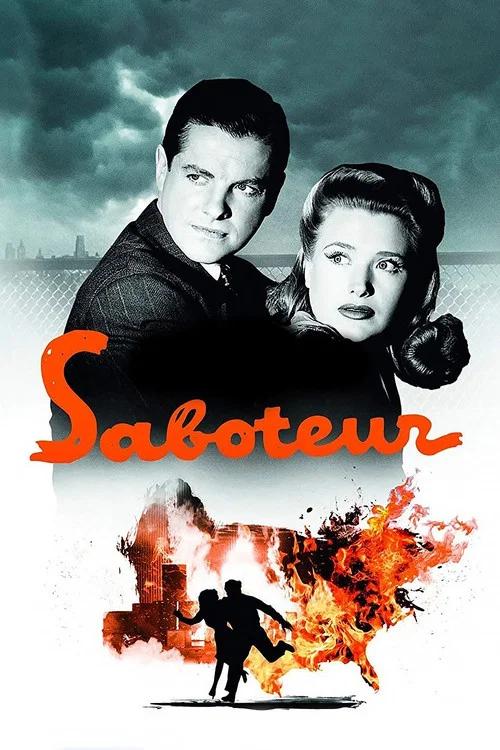
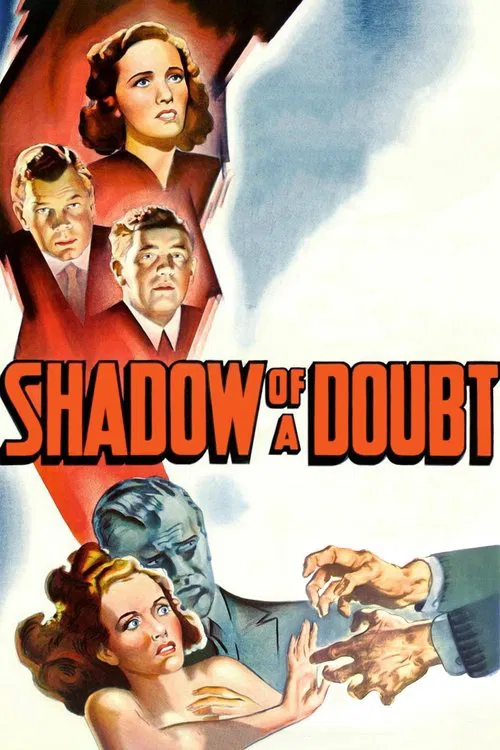
Alfred Hitchcock directed Frenzy, released in 1972. CineCode also covers The 39 Steps (1935), The Lady Vanishes (1938), Rebecca (1940), Suspicion (1941), Saboteur (1942), Shadow of a Doubt (1943).
What films are similar to Frenzy?
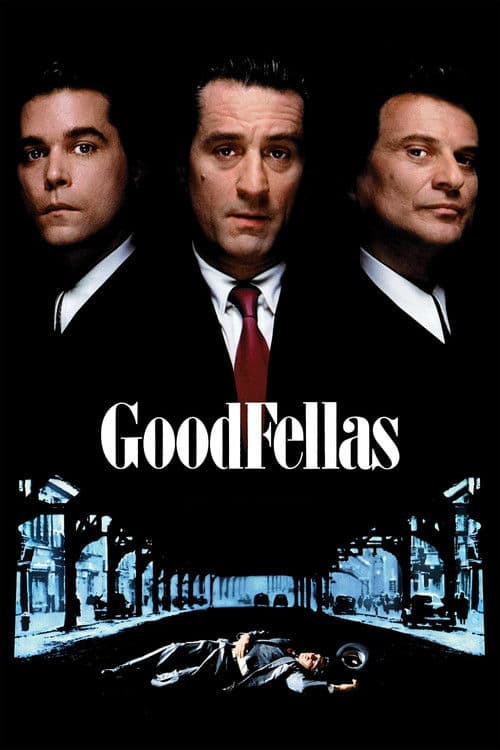
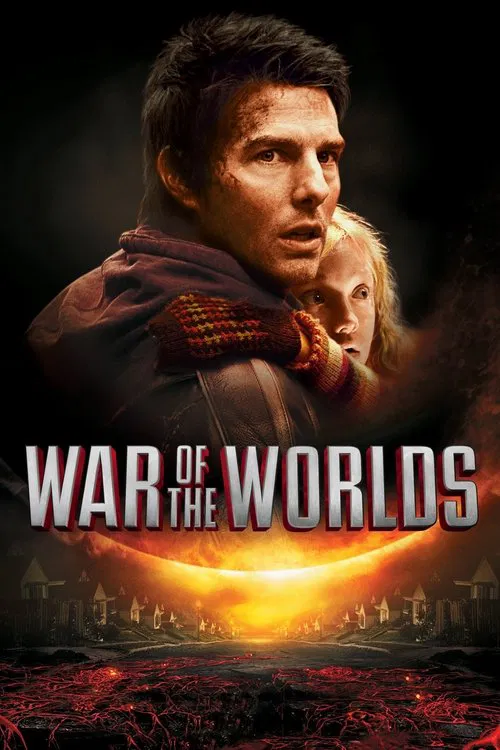
Films that share techniques with Frenzy include Kagemusha (1980), War of the Worlds (2005), The Shawshank Redemption (1994), Goodfellas (1990).