Science Fiction · Drama · Mystery

Solaris

Andrei Tarkovsky, 1972

Psychologist Kris Kelvin is sent to a space station above the ocean planet Solaris, where the crew is cracking up. There he finds his dead wife Hari standing in his room. It is a science fiction film about guilt and memory.

Solaris (1972) poster

At a glance

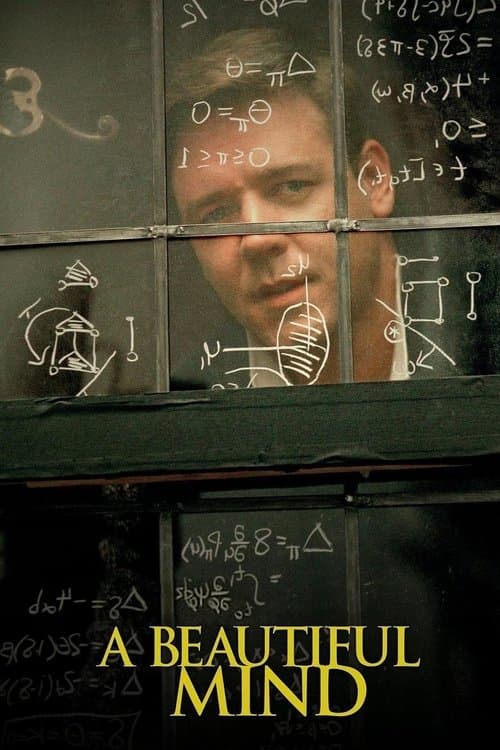
Solaris is a 1972 science fiction, drama and mystery film directed by Andrei Tarkovsky. This breakdown covers 4 techniques (1 narrative, 2 psychology and 1 sound), each with the scene where you can see it. If you like how it is made, A Beautiful Mind uses several of the same techniques.

Narrative

Retroactive Reframing Revelation

Saving a reveal for the climax that changes the meaning of every scene before it. You have to rebuild the whole film in your head with the new knowledge.

How this film uses it

The film ends with Kelvin at his father's house, as if he has come home. Then the camera pulls back and shows the house sits on an island in the Solaris ocean. The ending makes you question whether he ever left, and whether the memories you saw were real.

Where to see it

The final shot. Kelvin embraces his father, and the camera reveals the house is on a Solaris island.
Psychology

Guilt as Hidden Motive

Letting a character's guilt over a past wrong shape what they do now. The wrong may come out late or only be hinted at, but it colors every choice.

How this film uses it

Kelvin's guilt over his wife shapes everything he does on the station. The planet brings back Hari because of what he feels, and her return forces him to face it. The sci-fi plot is really about what he never settled.

Where to see it

Hari's second death. She kills herself with liquid oxygen and is painfully brought back.

Psychology

Unreliable Reality

Keeping it unclear what is real and what is imagined in the film's world. You end up as unsure as the main character.

How this film uses it

The crew explains that the visitors are built from their own memories. So you cannot tell what is real, what is a copy and what is a memory. Kelvin cannot either.

Where to see it

The second visit. Hari reappears in Kelvin's quarters after he has launched the first copy of her into space.

Sound

Electronic Score

Scoring with synthesizers, club beats or electronic instruments. The texture can suggest a period, a mood or a character's inner state.

How this film uses it

Eduard Artemyev wrote an electronic score for the station, while classical music is used for Earth. The strange sounds make the space station feel unsettled and cold. Bach's chorale prelude plays at key moments.

Where to see it

Hari's theme. A subtheme based on Bach is heard at her death and at the end.

Questions

Solaris: quick answers

What filmmaking techniques does Solaris use?
CineCode breaks down 4 techniques in Solaris (1972): Retroactive Reframing Revelation, Guilt as Hidden Motive, Unreliable Reality and Electronic Score.
Who directed Solaris?
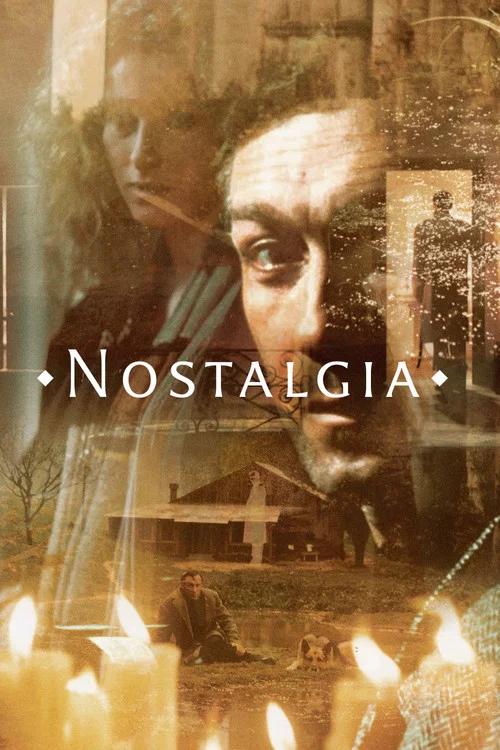
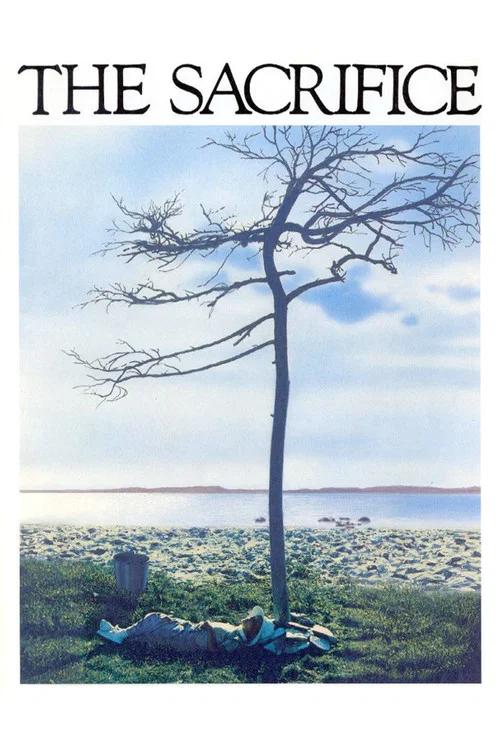
Andrei Tarkovsky directed Solaris, released in 1972. CineCode also covers Ivan's Childhood (1962), Andrei Rublev (1966), Mirror (1975), Stalker (1979), Nostalgia (1983), The Sacrifice (1986).
What films are similar to Solaris?
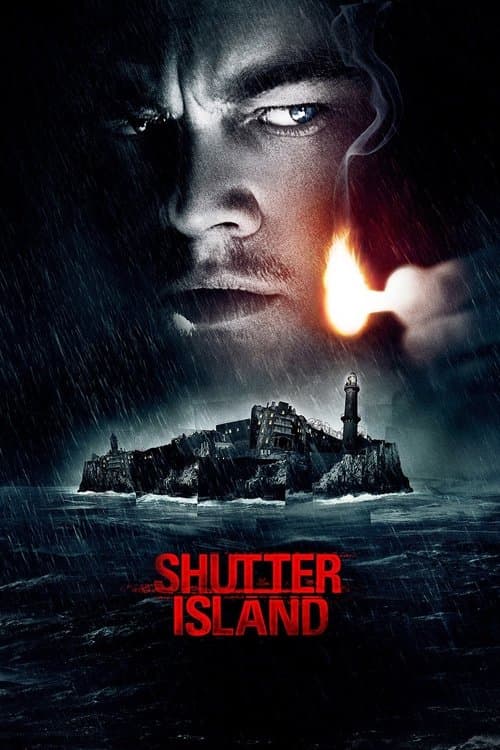
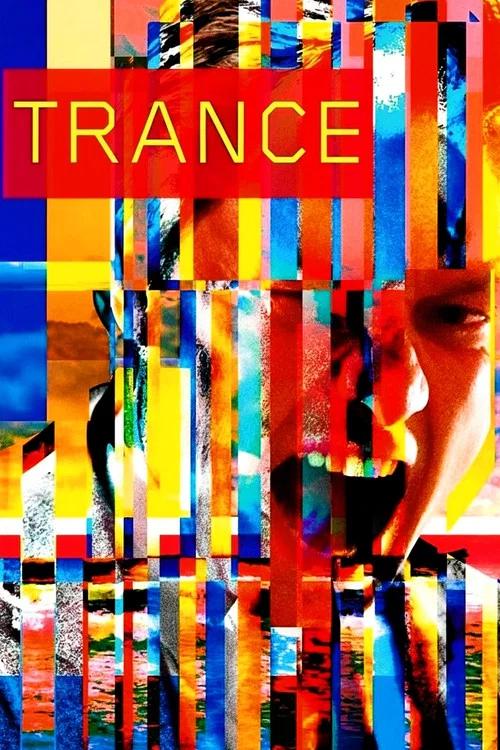
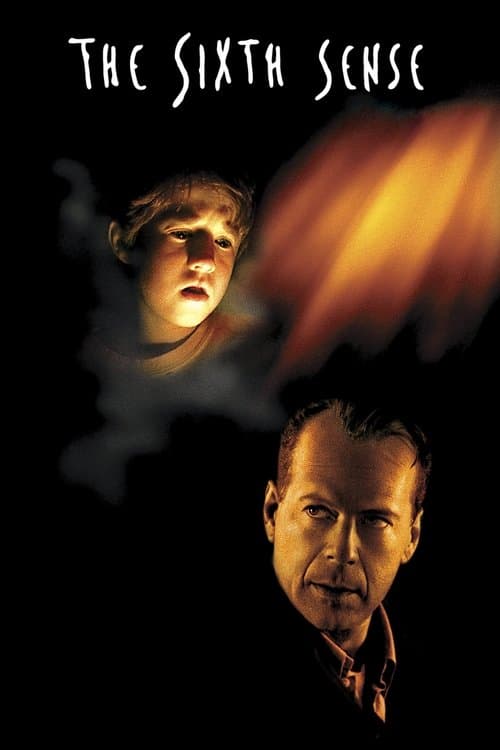
Films that share techniques with Solaris include A Beautiful Mind (2001), The Sixth Sense (1999), Shutter Island (2010), Trance (2013).