Drama

Cries and Whispers

Ingmar Bergman, 1972

In a 19th-century mansion, a woman named Agnes is dying of cancer while her two sisters and the maid Anna watch over her. The sisters struggle to touch each other, and only the servant offers real comfort. Watch how Bergman paints everything red and lets clocks and breathing do the talking.

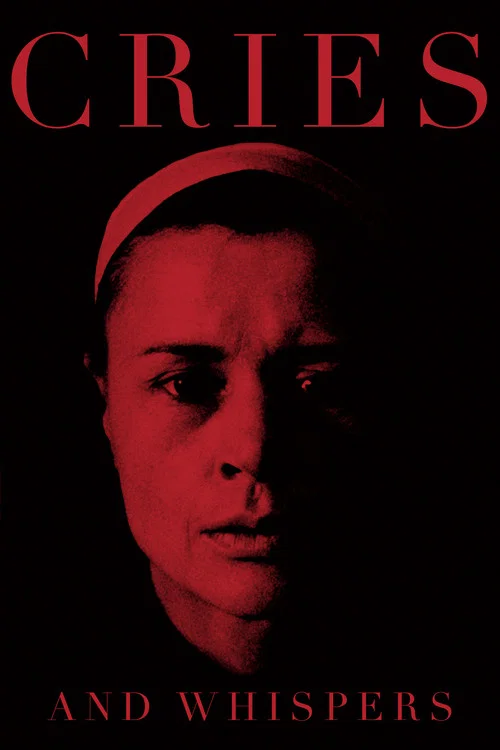
Cries and Whispers (1972) poster

At a glance

Cries and Whispers is a 1972 drama film directed by Ingmar Bergman. This breakdown covers 5 techniques (2 cinematography, 1 narrative, 1 sound and 1 editing), each with the scene where you can see it. If you like how it is made, American Beauty uses several of the same techniques.

Cinematography

Color Symbolism

Giving specific colors to characters, groups or ideas and sticking to them through the film. Each time a color appears, it tells you something beyond what is shown.

How this film uses it

Women in white move through rooms with saturated red walls and carpets. The red is in every scene, so it starts to feel like the inside of a body or a mind. Each time you see it, the film is telling you something about the emotional state of the house.

Where to see it

The red rooms: white-clad women are placed against red walls and carpets throughout the mansion.

Cinematography

Production Design as Psychological Space

Designing the sets to reflect what is going on inside a character. The place they live in tells you things about them that the dialogue doesn't.

How this film uses it

The mansion is a trap as much as a home. Its heavy red rooms look the same in every scene, so the women never seem to leave their grief. The place becomes part of their feelings.

Where to see it

The sisters' reconciliation: Maria and Karin briefly connect through touch.

Narrative

Dialogue-Free Opening Act

Opening the film with a long stretch that has no dialogue. Images, sound and performance alone set up the characters, their world and what is at stake.

How this film uses it

The film opens with nearly 5 minutes of images and no dialogue: the house, statues, clocks and sunlight. You get the mood and the sense of time passing before anyone speaks. By the time the sisters talk, you already feel the house.

Where to see it

The opening: images of the house, statues, clocks and sunlight play with no dialogue.

Sound

Diegetic Sound Design

Using sounds the characters themselves can hear, like footsteps, radios or traffic, to build tension or show how someone feels. The sound does more than make the scene realistic.

How this film uses it

Clocks tick, bells ring and Agnes breathes with difficulty. These sounds are the film's score for long stretches. You hear time running out the same way the sisters do.

Where to see it

Agnes's death: her last breaths are drawn out and emphasized.

Editing

Creative Scene Transition

Moving between scenes with an inventive device, such as a blackout, seasonal change, sound bridge or imaginative link. The transition itself carries meaning or mood.

How this film uses it

Scenes fade out through saturated red and the next fades in from it. The red links every scene together and makes the cut feel like a pulse. It reminds you that the whole film lives inside one feeling.

Where to see it

Scene transitions: the film regularly fades in and out through deep red.

Questions

Cries and Whispers: quick answers

What filmmaking techniques does Cries and Whispers use?
CineCode breaks down 5 techniques in Cries and Whispers (1972): Color Symbolism, Production Design as Psychological Space, Dialogue-Free Opening Act, Diegetic Sound Design and Creative Scene Transition.
Who directed Cries and Whispers?
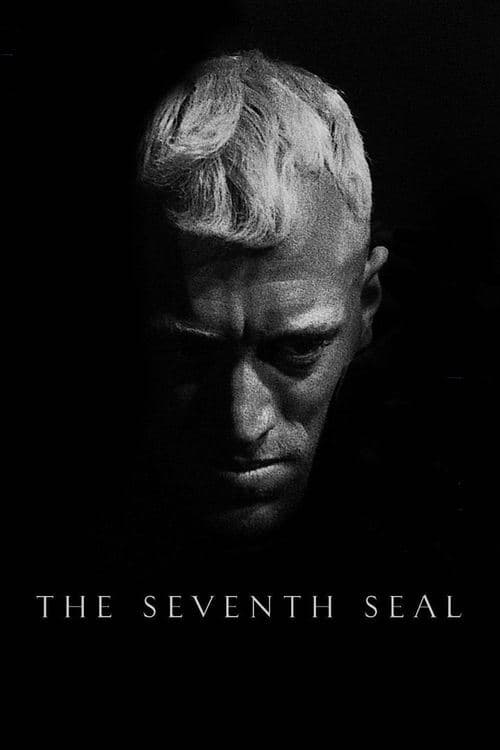
Ingmar Bergman directed Cries and Whispers, released in 1972. CineCode also covers The Seventh Seal (1957), Wild Strawberries (1957), The Virgin Spring (1960), Through a Glass Darkly (1961), Winter Light (1963), Persona (1966).
What films are similar to Cries and Whispers?
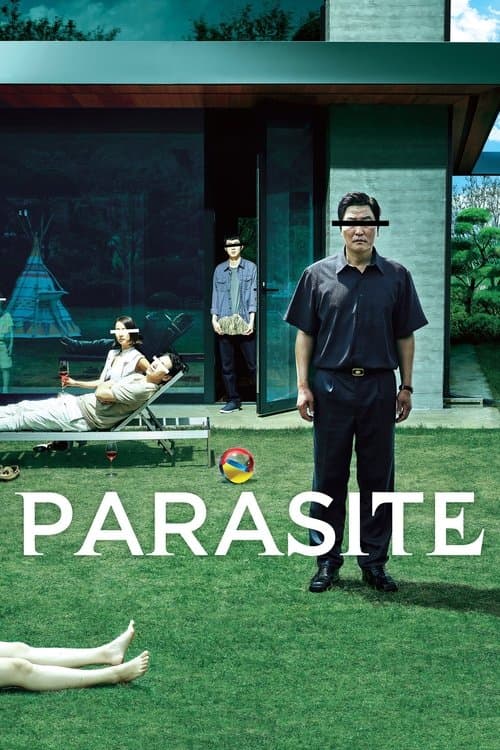
Films that share techniques with Cries and Whispers include American Beauty (1999), Time Bandits (1981), The Card Counter (2021), Parasite (2019).